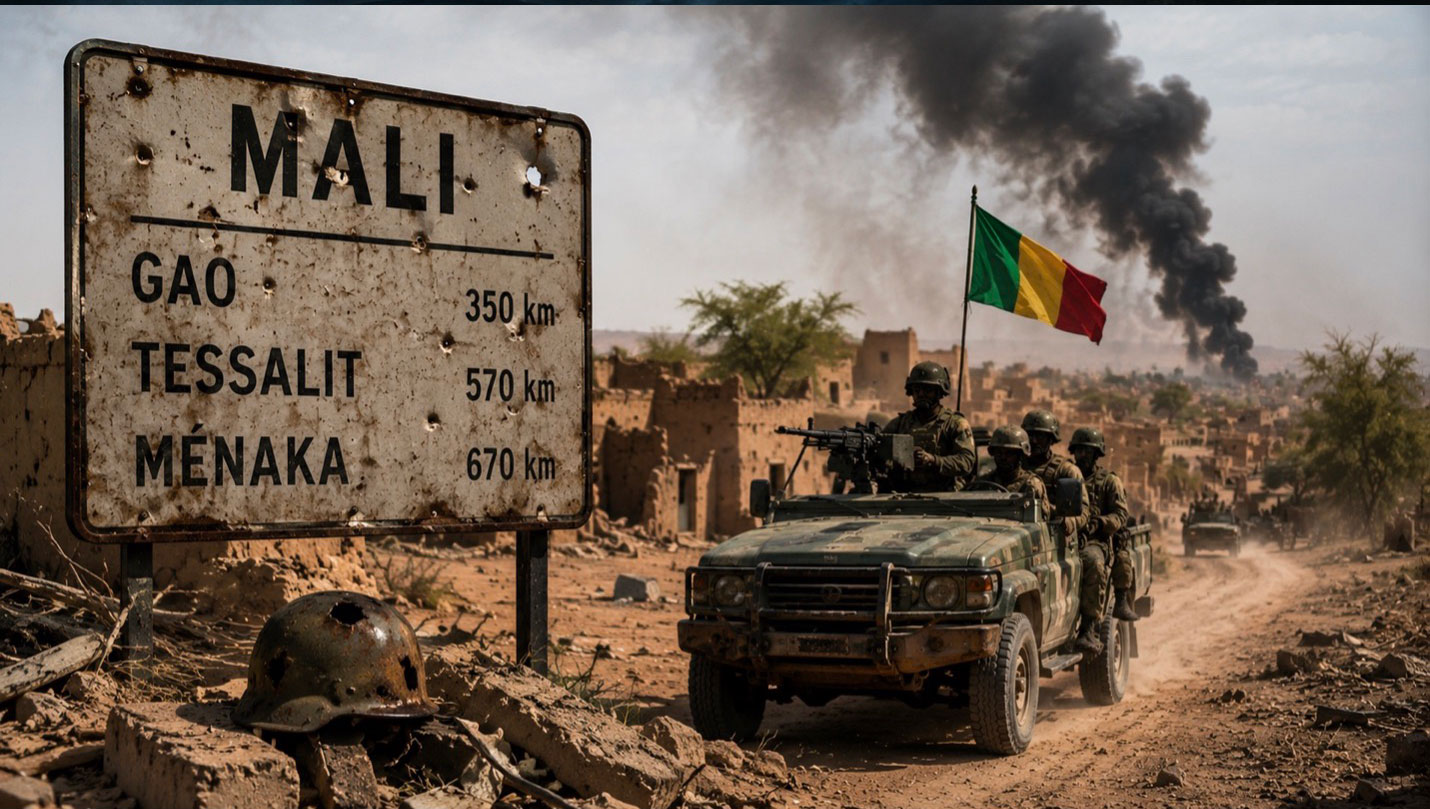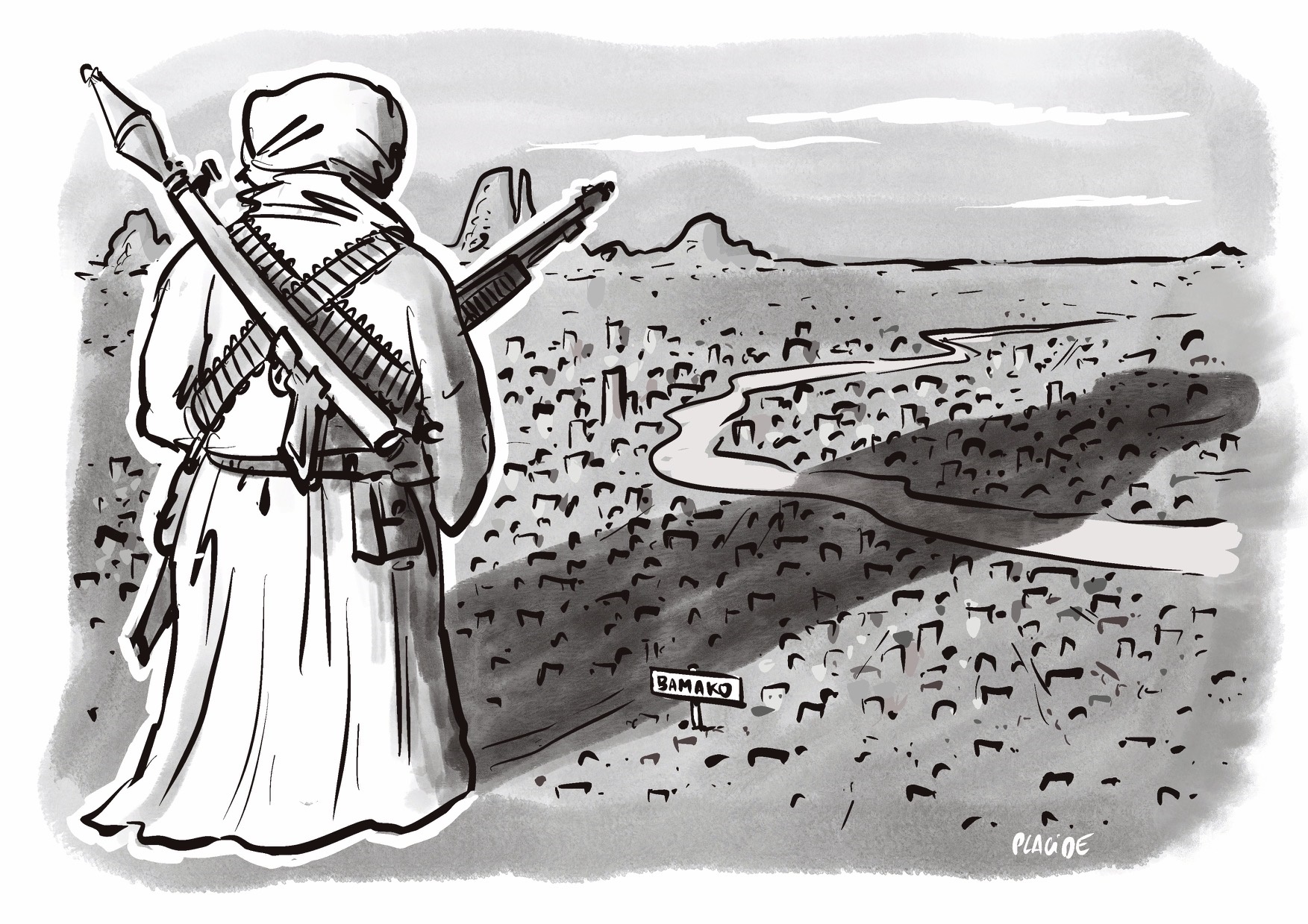
Malians recently observed Eid al-Adha, locally known as Tabaski, under particularly challenging circumstances. The festive period unfolded against a backdrop of heightened insecurity following a complex attack on April 25th, an event that significantly rattled the military regime and led to the departure of Defense Minister Sadio Camara. Adding to the apprehension, the Group to Support Islam and Muslims (GSIM) had issued a menacing call for a “final assault” on Bamako, explicitly aiming to destabilize the ruling junta.
Historically, jihadist factions have often chosen significant Muslim holidays for their military operations. This timing is rooted in their belief that such actions during sacred periods garner greater divine favor and legitimacy for their cause.
This year, the traditional act of sacrificing a sheep for Tabaski proved an insurmountable challenge for most households, whether in urban centers or rural areas. The primary cause for this widespread difficulty is the relentless pressure exerted by armed groups. In the countryside, these groups systematically levy a portion of the livestock as a form of illicit taxation or outright seize entire herds, which they then resell. In Bamako, a direct boycott of the city was ordered by these groups – a tactic previously employed in Burkina Faso and various Malian localities. While Malian security forces have maintained open access to most routes through robust enforcement, preventing a complete lockdown, this boycott has undeniably cast a pall over the morale of Bamako residents.
Similar economic strain and exorbitant livestock prices were also observed in Niamey. The capital of Niger has been grappling with incessant attacks targeting its western regions, traditionally vital suppliers of cattle. Both GSIM and Islamic State in the Sahel have been particularly active there. In recent days, these groups have launched multiple assaults on military and civilian positions, resulting in numerous casualties. They have strategically exploited the vacuum created by the Nigerien army’s northward deployment, a maneuver part of the planned counter-offensive to reclaim Kidal. This dynamic highlights the interconnected nature of security challenges across West Africa Niger, impacting both Mali and Niger security efforts.