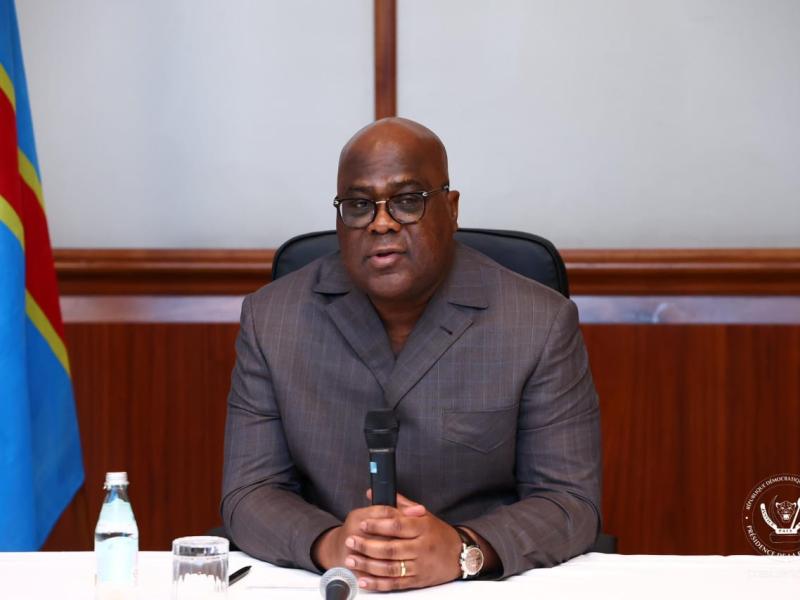
In a significant shift in stance, President Félix Tshisekedi has announced his readiness to initiate a comprehensive national dialogue process following a productive meeting with religious leaders in Kinshasa.
The gathering took place at the African Union Headquarters in the capital, where representatives from various faith communities engaged in discussions with the Head of State. According to insiders close to the religious circles, the discussions centered on fostering unity and addressing the nation’s pressing challenges through an inclusive national dialogue framework.
From hesitation to commitment: a strategic pivot
This latest development marks a notable evolution in the government’s approach. Earlier this year, President Tshisekedi had initially endorsed the idea of organizing such a dialogue but later appeared to reconsider his position. The meeting with religious leaders appears to have reinforced his conviction, leading to this decisive move toward reconciliation and collective problem-solving.
The Head of State emphasized the critical importance of consensus-building in navigating the country’s complex socio-political landscape. Observers suggest this initiative could pave the way for broader stakeholder engagement, including political parties, civil society, and regional leaders.
A roadmap for national healing
Government sources have indicated that an official roadmap outlining the dialogue process will be unveiled in the coming days. The document is expected to detail the structure, objectives, and timeline for the consultations, which aim to heal divisions and chart a path forward for the DRC.
The move comes at a time when the nation faces multiple challenges, including security concerns in the eastern regions and social tensions across communities. Religious leaders, known for their moral authority and ability to bridge divides, have been vocal advocates for dialogue as a means to restore stability and foster national cohesion.
This development underscores the growing role of faith-based organizations in shaping the country’s political trajectory and their potential to mediate between conflicting parties.
As the DRC prepares to embark on this historic process, the nation watches closely to see how the dialogue unfolds and what concrete steps will emerge from these efforts.