UN calls for accountability as reports emerge of mass executions in northern Mali
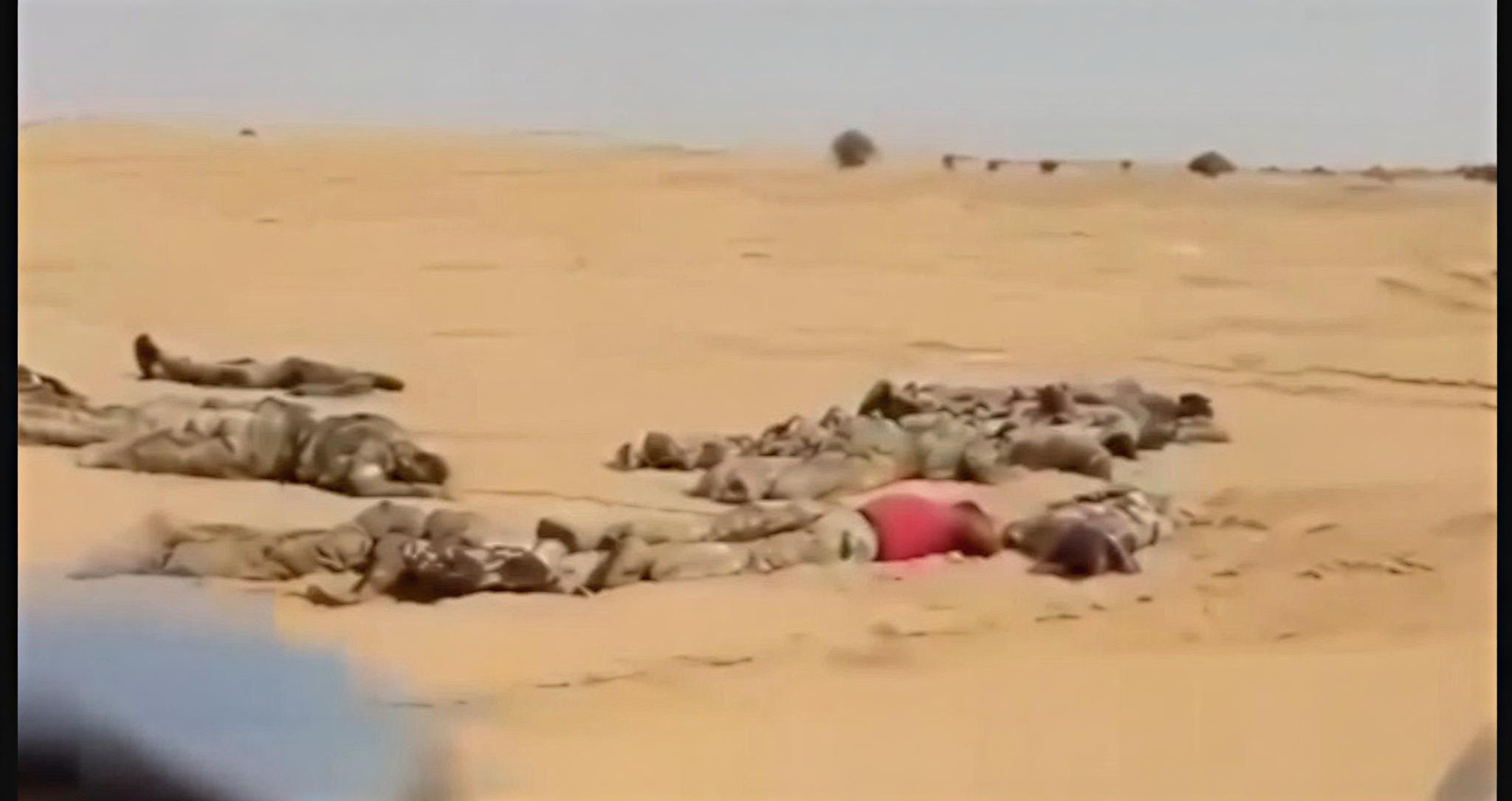
The discovery of grave human rights violations, including tortures and summary executions of captured Malian soldiers, has triggered global outrage. Local non-governmental organizations first exposed these atrocities, which have now drawn the attention of the highest international bodies. The allegations involve soldiers from the Malian Armed Forces (FAMa), who were reportedly subjected to brutal treatment after being captured in ambushes targeting military convoys in the northern regions.
Videos and testimonies circulating online depict horrifying scenes of prisoners being tortured before execution, even after surrendering and laying down arms. In response, the United Nations Human Rights Office has condemned these acts as potential war crimes, urging Bamako’s transitional government to launch an immediate, thorough, impartial, and independent investigation. International humanitarian law, particularly the Geneva Conventions, strictly prohibits such cruelty, regardless of the perpetrators’ affiliation.
Junta’s refusal to address atrocities raises critical questions
The Malian military leadership, led by Colonel Assimi Goïta, has yet to issue an official statement regarding the allegations. This deliberate silence has intensified scrutiny from both domestic and international observers. The junta, which has previously emphasized its security achievements and denounced external interference, now faces a stark dilemma:
- Strategic vulnerability: Acknowledging the killings of its own soldiers would undermine the narrative of military strength and progress in counter-terrorism efforts.
- Erosion of trust: Ignoring victims’ families and local NGOs could deepen divisions within the army and fuel resentment among the population.
Analysts suggest that the junta’s inaction reflects a broader pattern of evasion, particularly as external oversight mechanisms—including international peacekeeping forces—have been withdrawn at the government’s request.
Decades of civilian suffering under military operations
The current crisis in Mali is not isolated. Reports confirm a long-standing pattern of human rights violations linked to military and paramilitary operations in the north and central regions. Since the withdrawal of international forces, evidence of abuses has surged, with multiple documented cases of:
- Mass killings: The 2022 Moura massacre, where hundreds of civilians were allegedly executed during a security operation, remains one of the most harrowing examples of disproportionate force.
- Arbitrary arrests and torture: Residents in Mopti, Gao, and Ménaka have repeatedly reported detentions without cause, looting, and torture during joint FAMa-Russian operations.
- Ethnic targeting: Pastoral communities, particularly the Fulani and Tuareg, have borne the brunt of these abuses, often accused—without evidence—of collaborating with insurgent or jihadist groups.
This culture of impunity has not only failed to curb violence but has also fueled recruitment into militant factions, further destabilizing the region. Without credible accountability, the cycle of retaliation and human rights violations continues unabated.
Sahel’s descent into unchecked brutality
The exit of international monitoring forces has left Mali in a precarious position, with no independent oversight to document or deter abuses. Civilians and captured soldiers alike are trapped in a spiral of violence, where the lines between counter-terrorism and revenge-driven operations have blurred entirely.
Experts warn that without urgent action, Mali risks becoming a theater of endless reprisals, where no faction—state or non-state—is held accountable for violations of international law. The UN’s latest call for justice marks a pivotal moment, but the junta’s response will determine whether the country moves toward accountability or deeper isolation.