Senegalese politician urges Faye and Sonko to mend their differences
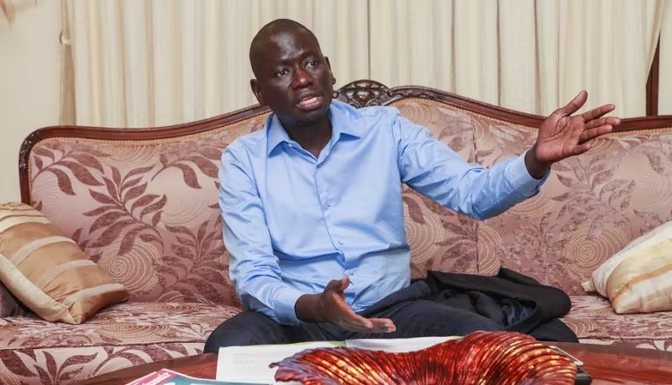
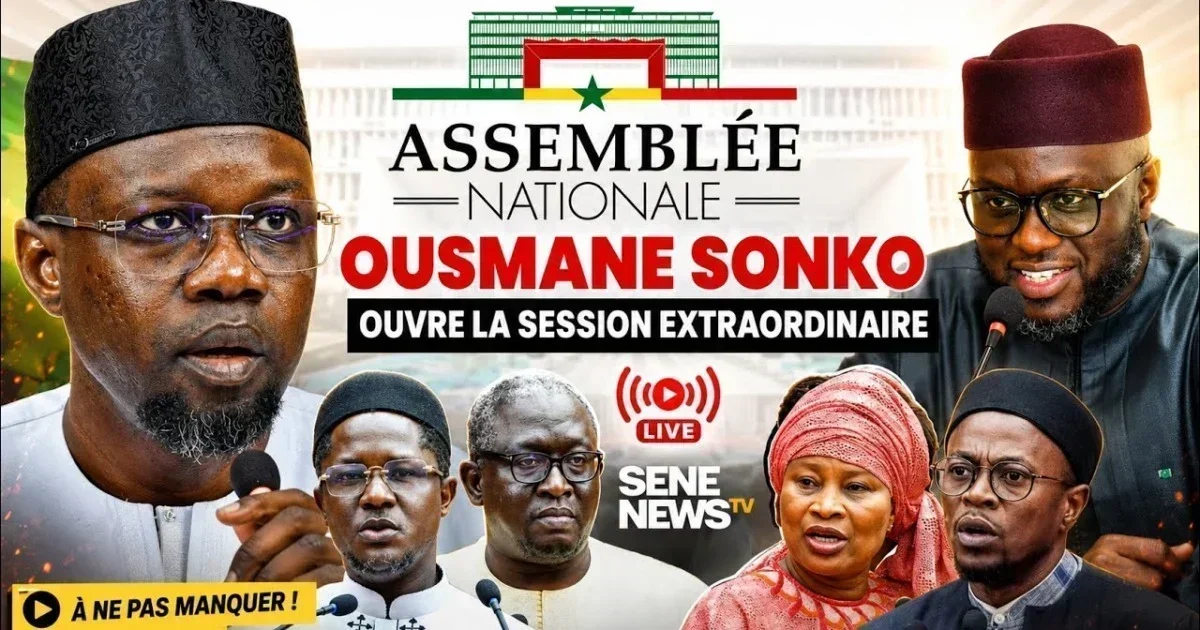
A prominent businessman and political figure from Kaolack has voiced deep concern over the escalating tensions between President Bassirou Diomaye Faye and former Prime Minister Ousmane Sonko, urging both leaders to prioritize national unity over personal differences.
Political tensions threaten Senegal’s progress
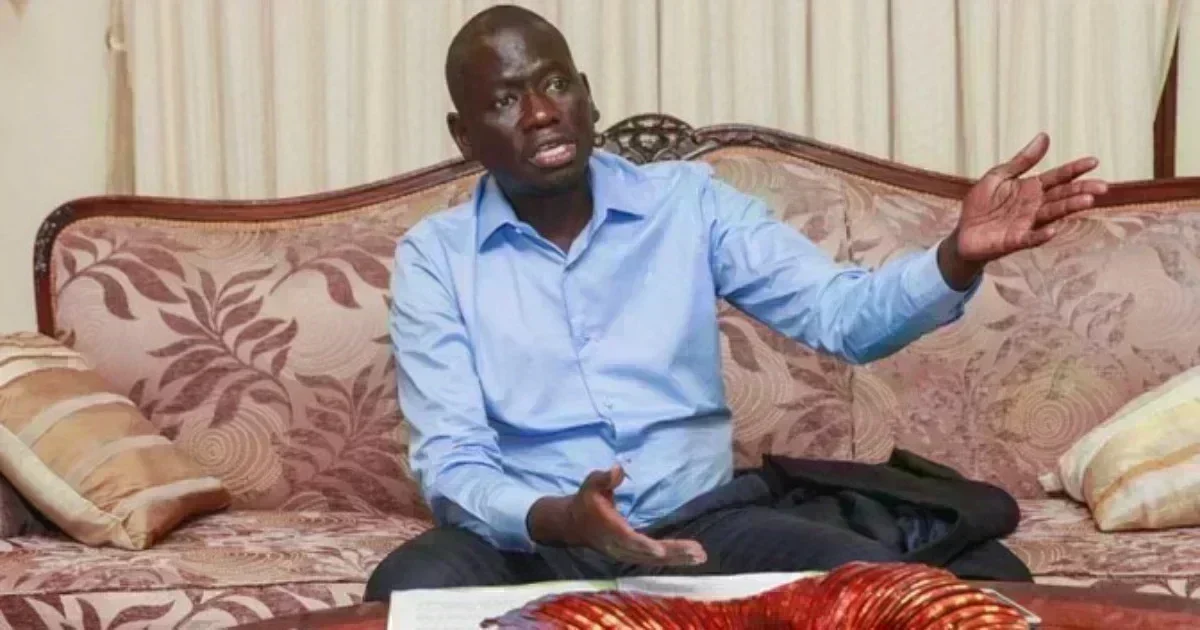
The rift between President Bassirou Diomaye Faye and his once-close ally Ousmane Sonko has become a growing source of unease among Senegalese political observers. Speaking in a recent interview on TFM’s Infos Matin program, Kaolack’s Mayor Serigne Mboup shared his distress over the deteriorating relationship between the two key figures in the country’s leadership.
Mboup, who played an active role in supporting Sonko during last year’s legislative elections, expressed disappointment at the current state of affairs. His involvement with Sonko was driven by a shared vision for Senegal’s future, but the breakdown in communication between the president and his former premier now risks undermining the nation’s development efforts.
An urgent call for reconciliation
With national stability hanging in the balance, Mboup delivered a heartfelt plea for both leaders to set aside their differences and work together. “This situation pains me deeply,” he admitted, “especially since I had already decided to step away from politics—it no longer inspired me.” He went on to clarify, “I’ve never campaigned for any candidate—except Ousmane Sonko. I stood by him during the legislative elections because I believed in his mission.”
Mboup stressed that a continued standoff between Faye and Sonko could have severe consequences for Senegal’s progress. “When conflict arises, nothing moves forward,” he warned. “Today, nothing is moving in Senegal.”
The mayor acknowledged that he does not align with either political faction. “I don’t belong to Diomaye’s camp nor Sonko’s,” he stated. “If President Diomaye reaches out to support Kaolack’s development projects, I’ll respond—but I won’t join his party.” His stance reflects a pragmatic approach to governance, focusing on tangible outcomes rather than partisan loyalty.
For Mboup, the priority remains clear: “All I wish for Ousmane Sonko and Bassirou Diomaye Faye is that they find peace in their collaboration,” he concluded. “Only then can I return to what I do best—partnering with investors and contributing to local education initiatives.”
The mayor’s intervention underscores the broader anxiety among Senegalese citizens about the potential fallout from the political divide. As the country grapples with pressing challenges, voices like Mboup’s serve as a reminder of the importance of unity in driving meaningful change.