In Mali, crisis communication has evolved into a finely tuned practice, often resembling a carefully choreographed performance. This past week in August 2026, the Defence Information and Public Relations Directorate (DIRPA) once again unveiled a set of striking military statistics. According to colonel-major Bakary Bocar Maïga, the armed forces reported an unprecedented tally: 1,850 terrorists ‘neutralised’, 45 operational bases destroyed, and hundreds of vehicles and motorcycles reduced to ashes over just two months—June and July. Yet beneath the bold headlines lies a pattern of unverifiable claims that challenges both credibility and reality.
Statistics that strain credibility
The sheer scale of the figures raises immediate questions. How can an army claim to have precisely recorded nearly two thousand enemy combatants killed in just eight weeks without providing any independent verification? In today’s Sahelian conflict zones, military statements increasingly bypass the need for evidence. No independent body, civil society group, or neutral observer has been granted access to conflict areas to validate these boastful announcements.
The term ‘neutralised’ remains a deliberately flexible concept. Does it refer to armed combatants slain in battle, suspects detained during raids, or civilians caught in the crossfire within areas sealed off from outside scrutiny? Without clear identification protocols or named lists, the line between local residents and armed factions remains dangerously blurred.
Ground realities contradict official narratives
There exists a stark contrast between the military’s triumphant communiqués and the persistent dangers faced by Malians. If nearly 2,000 insurgents were eliminated and their supply networks dismantled, why do major highways still face frequent ambushes? Why must convoys transporting fuel be escorted by heavy military presence if forest strongholds and terrorist sanctuaries have truly been cleared?
Recent attacks on key military positions in San, Konna, and coordinated assaults by JNIM across northern and eastern regions paint a different picture. Rather than showing weakness, armed groups continue to demonstrate operational capacity and adaptability. Asserting that the enemy is ‘significantly weakened’ while they stage simultaneous offensives on strategic garrisons feels more like persuasive rhetoric than factual reporting.
The strategic role of communication in Mali’s counterterrorism efforts
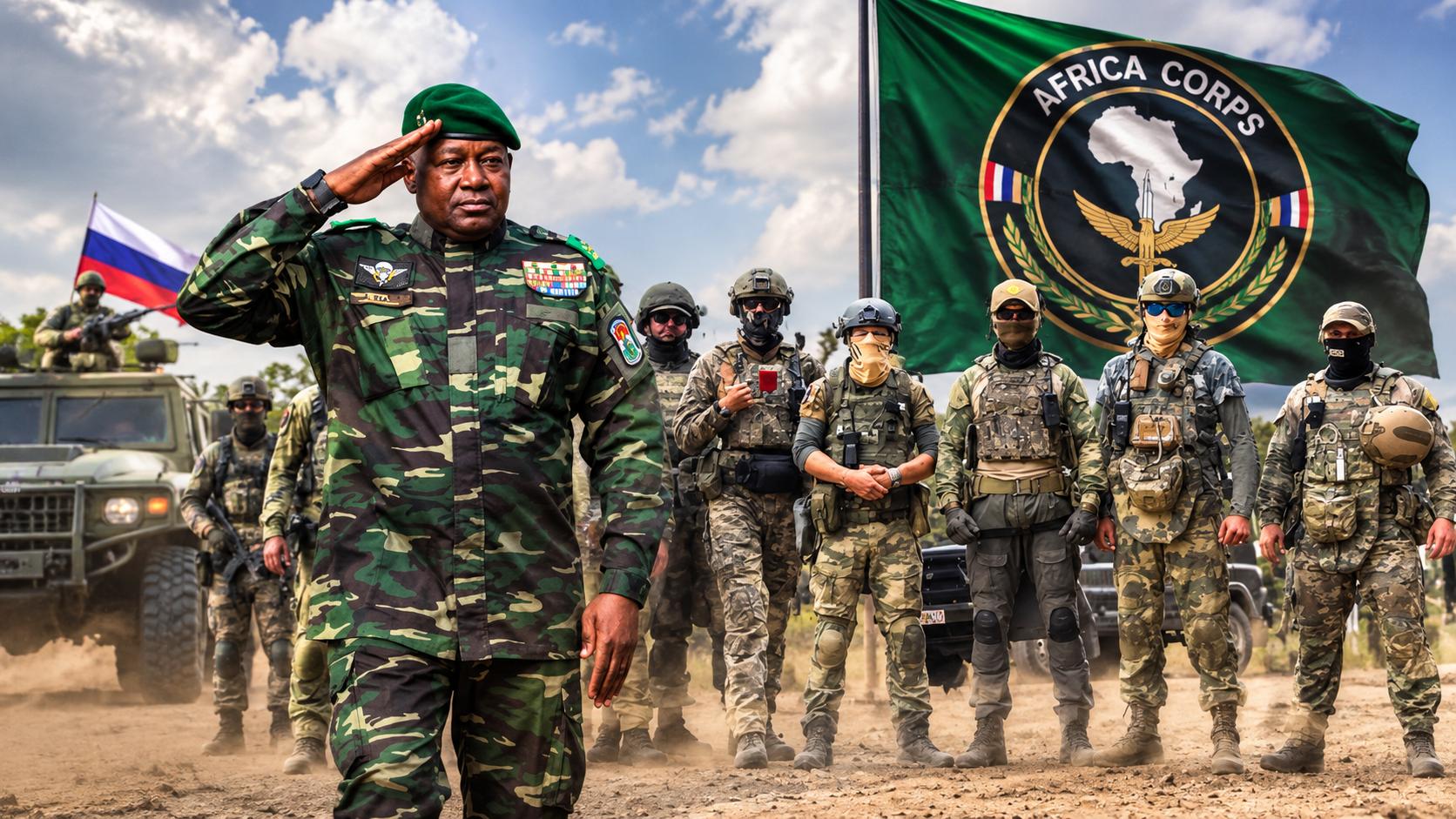
The DIRPA’s approach serves a dual purpose: reinforcing the legitimacy of the transitional government’s military strategy and justifying its controversial partnerships, including the Dougoukoloko Plan and the expanded collaboration with the Russian contingent, Africa Corps. To justify the exclusion of traditional allies and justify substantial military spending, the government must present compelling results. Yet when success is measured solely in unverified numbers, public trust erodes, especially among those living under the constant threat of insecurity.
By restricting information access and suppressing critical analysis of security conditions, Bamako has constructed a one-sided narrative where victory is perpetually promised but never substantiated. Until the DIRPA prioritises transparency over spectacle, these inflated reports will only deepen skepticism among those who experience the harsh realities of an escalating conflict firsthand.