As global attention remains fixed on conflicts in distant regions, a silent catastrophe is deepening across the Sahel. In 2026, over 24 million people across Niger, Mali, Burkina Faso, Mauritania and Chad will require urgent humanitarian assistance, according to the United Nations. This unfolding crisis ranks among the most neglected and underfunded emergencies worldwide.
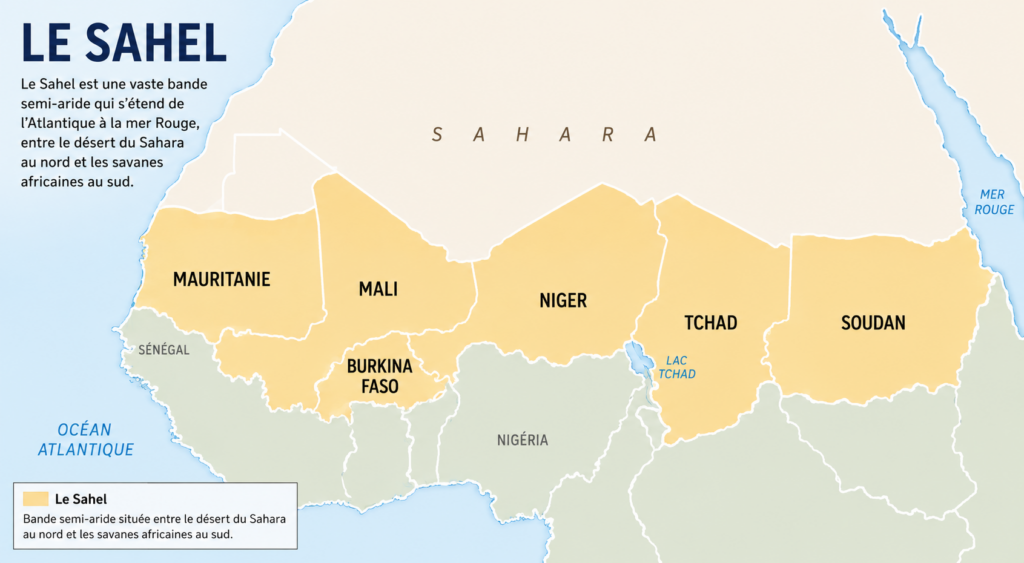
The Sahel region is grappling with an unprecedented convergence of challenges that are pushing communities to the brink. Armed conflicts, mass displacements, soaring inflation, extreme climate events and severe food shortages are eroding the very foundations of survival for millions of families. From the arid expanses of Niger to the drought-stricken plains of Mali, daily life has become a struggle against multiple, overlapping crises.
United Nations humanitarian data reveals a stark picture: between June and August—the critical pre-harvest period—approximately 15.5 million people could face acute food insecurity, with over 1.5 million teetering on the edge of famine and in urgent need of life-saving support. Behind these figures lie human stories of deprivation: parents skipping meals to feed their children, farmers unable to afford seeds or fertilizer, schools shuttered indefinitely, and entire villages displaced by relentless violence.
Shrinking international aid compounds suffering
The humanitarian response in the Sahel is in freefall. In 2025, only 29% of requested funds were secured—a historic low that has forced aid agencies to slash programs, withdraw from vulnerable areas, or suspend critical interventions altogether. This funding gap arrives at the worst possible moment, as global economic pressures—especially rising energy and transport costs—drive up prices for food, fuel, and agricultural inputs. For families already living on the edge, these price hikes are catastrophic.
Every dollar not received translates directly into human suffering: fewer meals distributed, fewer children vaccinated, less protection for women and girls, and reduced access to healthcare and education. The United Nations warns that without immediate financial reinforcement, the situation will spiral further out of control.
Escalating violence displaces communities and disrupts lives
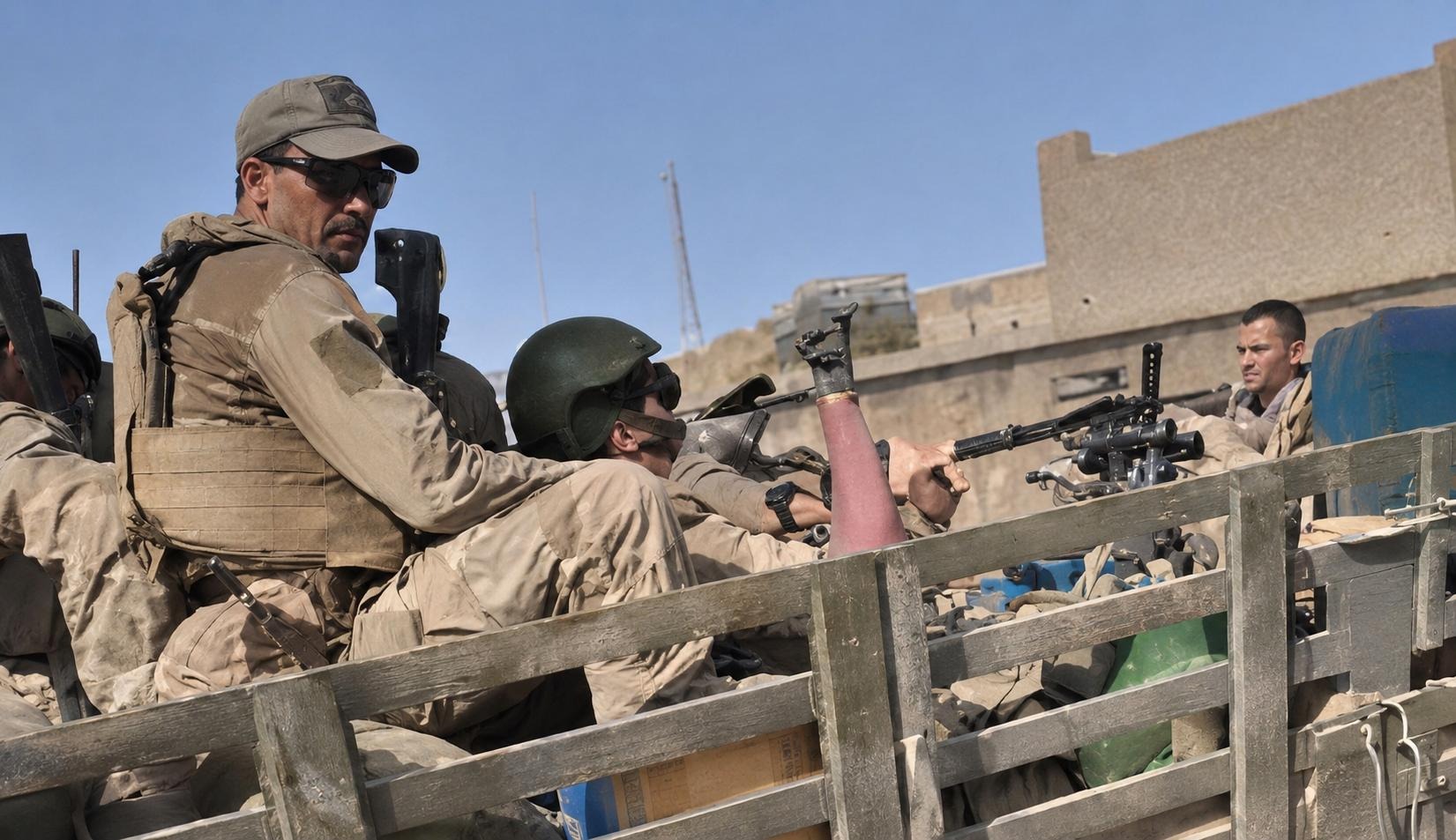
The humanitarian emergency is inextricably linked to a worsening security landscape. What began as localized conflicts in central Sahel countries has now spread toward coastal West African nations. Armed groups continue to expand their influence, triggering massive population displacements and forcing the closure of essential services. Nearly 12,900 schools have shut down, leaving over 2.3 million children without access to education—a loss that threatens to create a lost generation with limited economic prospects and heightened vulnerability to recruitment by extremist organizations.
Climate change delivers another devastating blow
Adding to the region’s woes are the relentless impacts of climate change. This year alone, nearly 590,000 people have been affected by catastrophic flooding, while persistent droughts and creeping desertification are steadily depleting arable land and water resources. Despite contributing the least to global emissions, the Sahel is bearing the brunt of environmental degradation.
The region now stands at the crossroads of multiple global crises. While funding dwindles and violence intensifies, climate shocks continue to amplify the suffering of millions. The United Nations has made a clear appeal to the international community: increase funding now, or face an irreversible humanitarian catastrophe in the coming months. The tools to avert disaster exist—but without urgent action, the cost in human lives will be immeasurable.