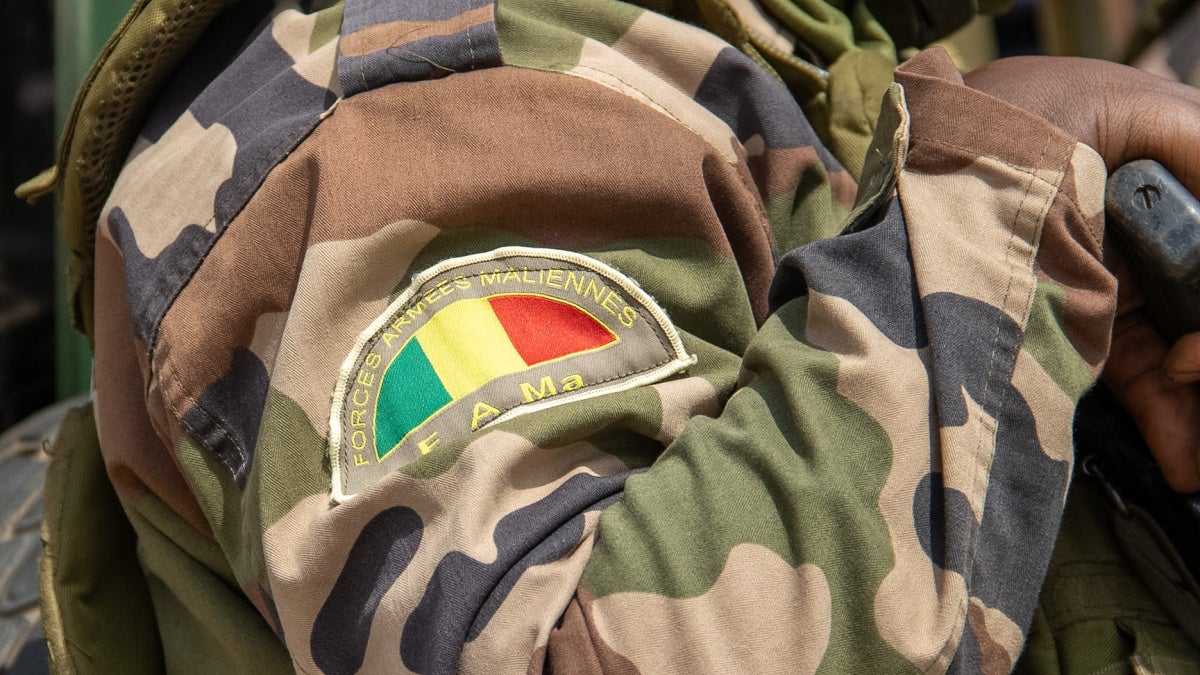
The Malian Armed Forces and allied militias carried out deadly raids in central Mali’s Ségou region, resulting in at least 31 civilian deaths and the destruction of homes during October incursions, local sources confirmed.
Two villages targeted in coordinated attacks
On October 2, soldiers and dozos—traditional hunters mostly from the Bambara ethnic group—allegedly stormed the village of Kamona, killing 21 men and burning down at least 10 homes. Witnesses reported that armed men in camouflage and traditional attire executed villagers after accusing them of supporting the Group for the Support of Islam and Muslims (GSIM), an al-Qaeda-linked faction controlling the area. No clashes were reported between the military and the armed group prior to the assault.
Survivors described a grim scene: 17 bodies were found under a tree, with additional victims discovered north of the village. A 40-year-old shepherd recounted finding the corpses, noting severe gunshot wounds and crushed skulls. Residents provided a list of 21 male victims aged 20 to 65, though some claimed the toll could be higher due to unconfirmed reports of additional deaths in nearby bushland.
On October 13, a second attack struck the village of Balle, 55 kilometers away. Soldiers in pickup trucks and armed militiamen on motorcycles allegedly killed nine men and one woman, while also stealing over 100 cattle. A 24-year-old man, who initially hid, later found the bodies scattered across the village, some with broken limbs. A 21-year-old woman shared the final moments of her 55-year-old mother, who was shot after confronting the soldiers about their treatment of locals.
Military denies targeting civilians
The Malian Chief of Staff issued a statement claiming the October 13 operation near Balle was an “offensive reconnaissance” mission that “neutralized around twenty terrorists” and seized military equipment. However, residents disputed this account, asserting that Balle had been under GSIM control for years, with locals paying religious taxes to the group and relying on them for dispute resolution. The military’s indiscriminate approach, they argued, conflated civilians with armed fighters.
International law under threat
Since 2012, Mali’s ongoing conflict has claimed thousands of civilian lives and displaced over 400,000 people. Both state forces and armed groups have been accused of grave violations, including summary executions and destruction of property. The GSIM’s recent siege of Bamako, which cut off fuel supplies to the capital in September, further exacerbated tensions, prompting the military junta to temporarily close schools and universities.
Under international humanitarian law, all parties in the conflict must adhere to the Geneva Conventions and customary laws of war, which prohibit attacks on civilians and cruel treatment of detainees. While Mali withdrew from the International Criminal Court (ICC) in 2025, it remains bound by the Rome Statute until September 2026, with the ICC having opened an investigation into alleged war crimes since 2012.
The African Union’s Peace and Security Council has yet to take meaningful action beyond issuing statements of concern, despite the escalating crisis. Analysts stress the need for urgent diplomatic intervention and coordinated regional efforts to hold perpetrators accountable.