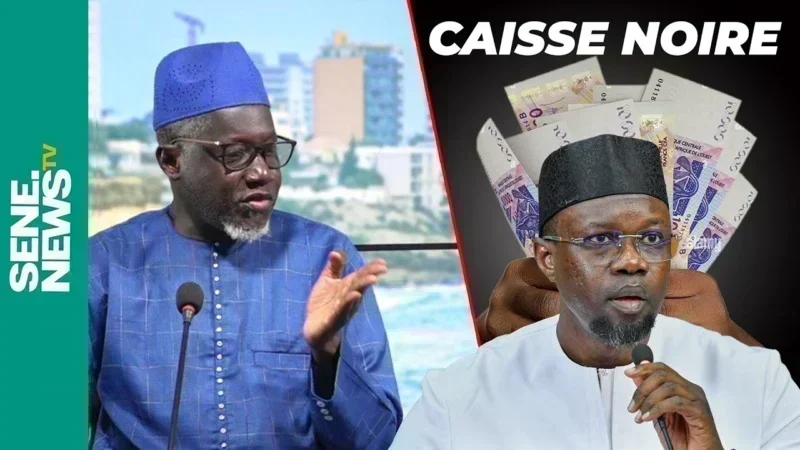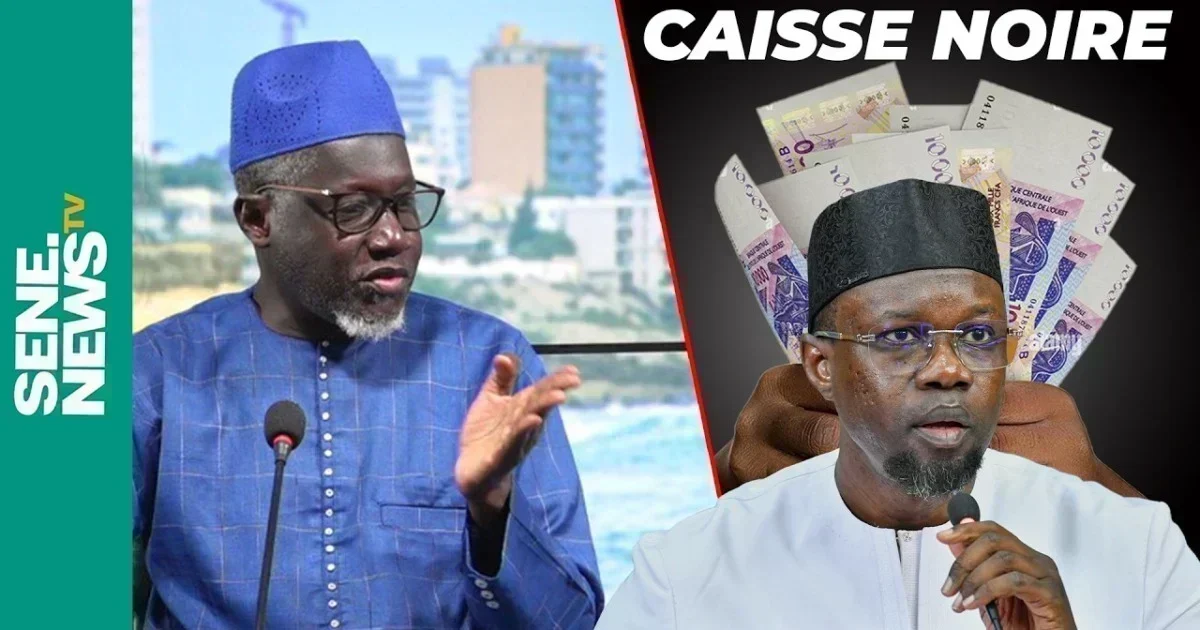
In a groundbreaking revelation, prominent religious leader Imam Kanté has disclosed sensitive details regarding the allocation and utilization of government special funds during the tenure of opposition figure Ousmane Sonko. Speaking from Dakar, Kanté provided firsthand accounts that challenge long-standing narratives about financial transparency in Senegalese politics.
The testimony, shared in an exclusive format, sheds light on controversial expenditure patterns that raise serious questions about accountability. Imam Kanté’s statements come at a critical juncture, prompting renewed scrutiny of political funding mechanisms and their impact on public trust.
Key allegations and financial irregularities
According to Kanté’s account, special funds allocated for national development were allegedly diverted for personal and political purposes. He highlighted discrepancies in budgetary allocations, particularly in sectors critical to social welfare, including education and healthcare. The imam emphasized the lack of oversight mechanisms that allowed such mismanagement to persist unchecked.
Political fallout and public reaction
The revelations have triggered a wave of reactions across Senegal’s political spectrum. Civil society organizations have called for independent investigations, while opposition parties demand immediate clarification from authorities. Social media platforms have amplified discussions, with citizens expressing outrage over perceived corruption.
Ousmane Sonko, a polarizing yet influential opposition figure, has yet to issue a formal response to the allegations. His supporters argue that the accusations are politically motivated, while critics demand transparency to restore confidence in governance.
Implications for Senegal’s political landscape
This testimony underscores the growing demand for financial accountability in Senegal’s political arena. As public pressure mounts, stakeholders are closely monitoring developments, with many anticipating potential reforms in how special funds are managed. The case also highlights the role of religious leaders in shaping public discourse on governance and ethics.