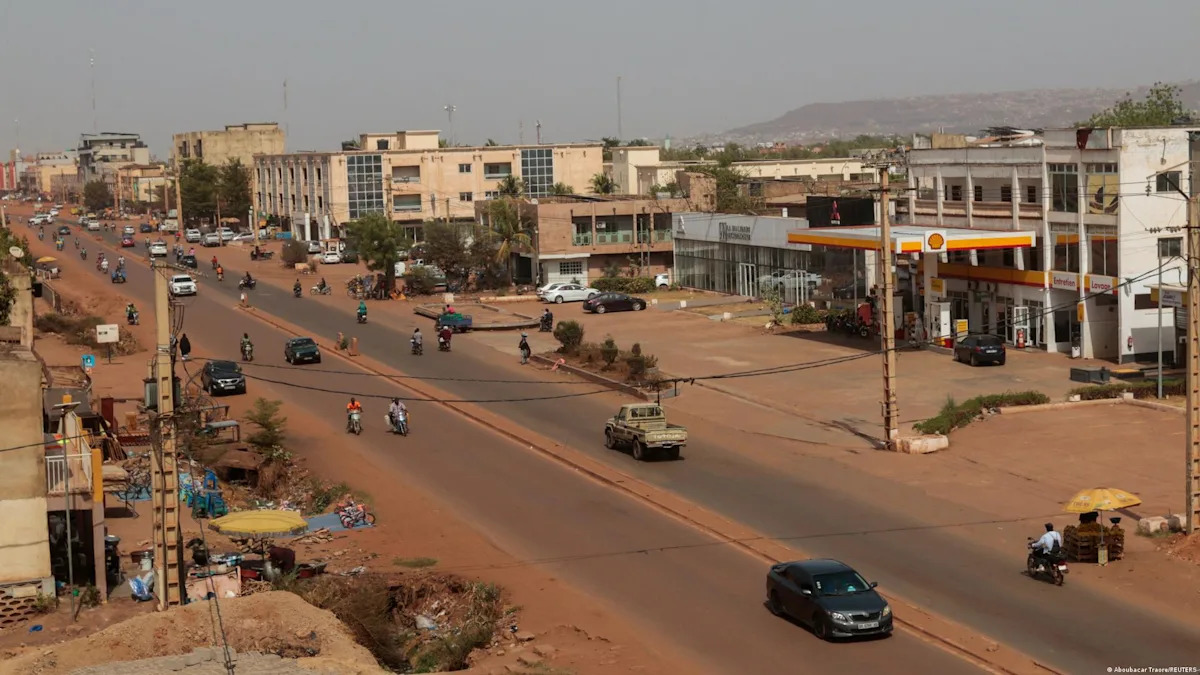
The humanitarian crisis in Mali deepens as armed groups tighten their grip on key regions, cutting off supplies to the capital and triggering severe disruptions in civilian life. In a stern warning, Amnesty International has urgently called on the Jama’at Nusrat al-Islam wal Muslimin (JNIM) to cease its blockade of Bamako, emphasizing the devastating impact on residents’ safety, food security, and access to essential services.
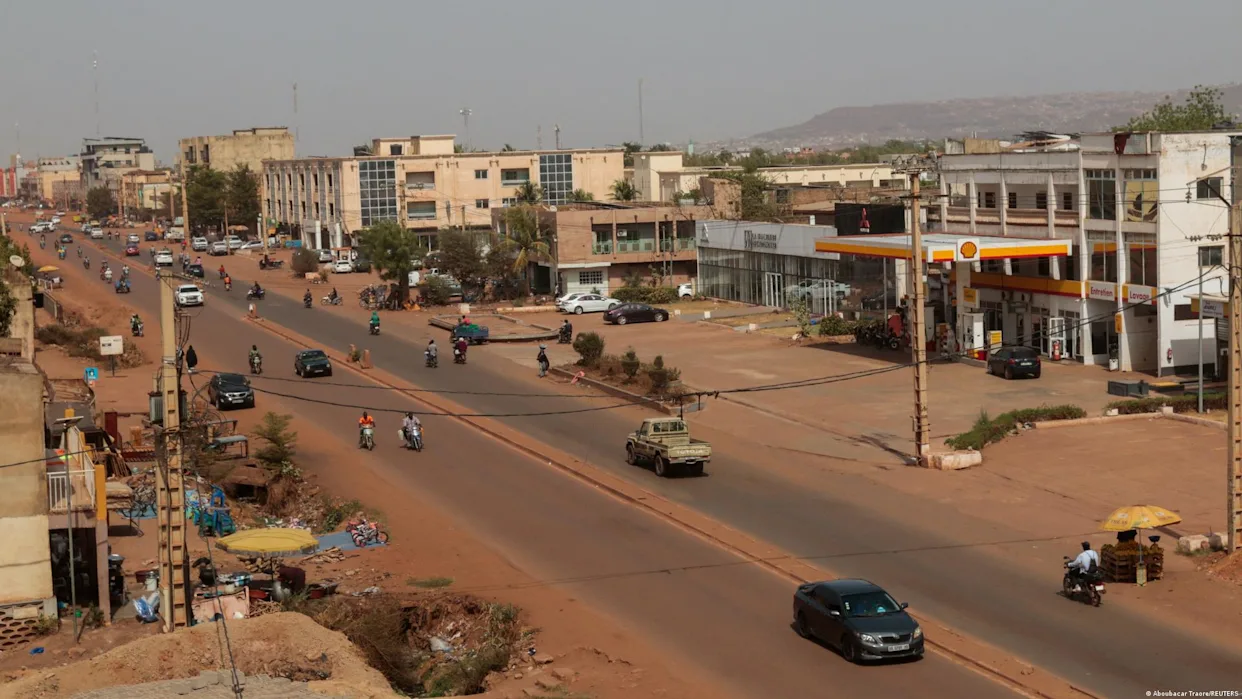
Amnesty International has condemned the two-week-long blockade imposed by JNIM on Bamako, which has severed critical supply routes into the landlocked nation’s economic hub. The organization highlights that civilians are bearing the brunt of the restrictions, facing extreme hardship in accessing food, healthcare, and other vital goods.
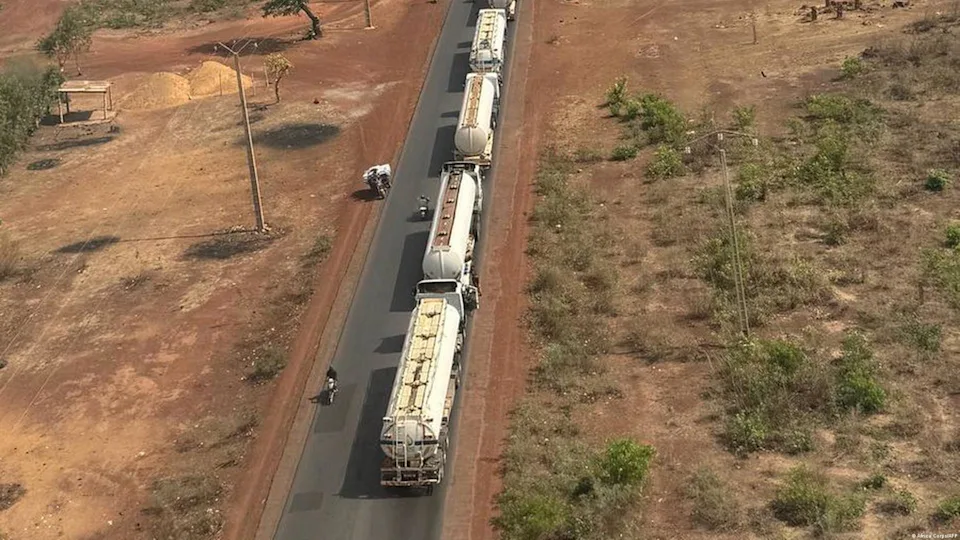
In a statement, the rights group warned that the blockade violates international humanitarian law, citing a recent attack on a civilian truck convoy traveling between Bamako and Bougouni. The convoy, transporting fruits and other essential goods, was not accompanied by military escorts and carried no weapons or personnel of a combatant nature.
Mali’s military intensifies strikes in Kidal
In response to the escalating threats, the Malian Armed Forces have announced plans to intensify aerial strikes on Kidal, a city under the control of the Tuareg separatist Front de Libération de l’Azawad (FLA) and allied JNIM militants. The military claims to have conducted multiple precision strikes in recent days, though residents report persistent power outages and disrupted communications across the region.
A local resident from Kidal described the situation as increasingly volatile, with conflicting narratives making it difficult for civilians to discern truth from propaganda. Meanwhile, in Gao, another resident reported a surge in food prices, with the cost of onions doubling in recent weeks. The government has urged citizens to rely solely on official state communications for updates.
Jihadist control spreads in central Mali
Analysts warn that the crisis is not confined to the north. In central Mali, large swaths of territory along the left bank of the Niger River—spanning parts of Ségou and Koulikoro—remain under JNIM influence. Within these zones, the group enforces religious taxes, closes schools, and restricts movement, further isolating communities from state authority.
As of January, over 2,300 schools across Mali were shuttered, with the highest concentrations in the north and center. Experts note that armed factions on all sides are currently in a phase of strategic repositioning, with both the military and insurgent groups preparing for potential renewed hostilities. Civilians, caught in the crossfire, continue to suffer abuses from whichever faction holds sway.
The path to resolving the crisis, according to political and security analysts, lies in inclusive dialogue. Hervé Lankoandé Wendyam, an independent West Africa analyst, emphasized the need for the Malian government to engage in meaningful negotiations with all stakeholders—including those it labels as terrorists—to address the root political grievances driving the conflict.
Abdoulaye Sounaye, a scholar specializing in Sahelian jihadist movements, echoed this sentiment, predicting that eventual peace talks would be inevitable. However, the Malian authorities have publicly rejected any dialogue with the FLA and JNIM, despite having engaged in clandestine negotiations to secure fuel supplies in the past. The government’s stance underscores the deep-seated divisions that continue to fuel instability across the country.