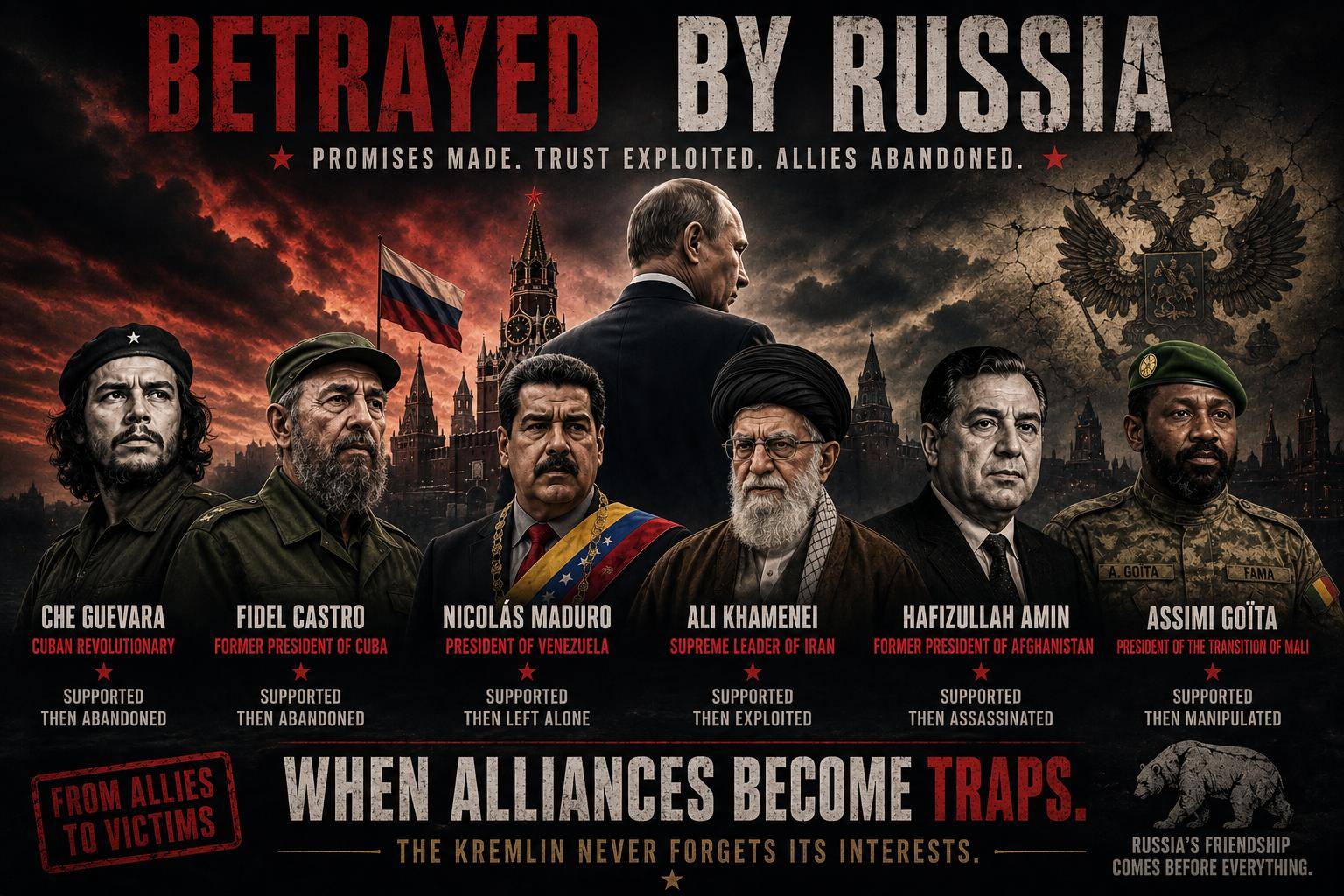
The global stage is witnessing a paradox that’s catching the attention of analysts worldwide: as Moscow’s key allies face mounting crises, the Kremlin’s response has become notably absent. Far from the image of an unyielding protector ready to intervene at the slightest sign of trouble, Russia appears to have adopted a policy of deliberate silence whenever its partners encounter significant challenges. Let’s explore this calculated strategy of strategic withdrawal.
a recurring pattern of diplomatic restraint
This trend follows a predictable script. Whether allies face localized military setbacks, internal political turmoil, or widespread public uprisings, Moscow’s initial reaction is rarely fiery rhetoric or immediate support. Instead, it defaults to a policy of radio silence—a deliberate absence of public statements that starkly contrasts with Russia’s usual assertive diplomacy on the international scene.
the ‘wait and see’ approach as a geopolitical tool
International relations experts argue that this silence isn’t a sign of weakness but a display of calculated pragmatism. When an ally stumbles, the Kremlin adheres to a ‘wait and see’ doctrine, prioritizing the preservation of its own global standing over immediate solidarity. By maintaining a neutral public posture, Russia retains maximum flexibility.
If the ally manages to recover, Moscow can resume its support as if nothing happened. But if the situation deteriorates beyond repair, the initial silence ensures Russia isn’t tarnished by association with a failing regime. In such cases, the absence of public backing allows for subtle backchannel negotiations with emerging power players.
silence as a form of subtle disapproval
This policy of quietude serves another purpose: it acts as a form of subliminal diplomacy. While Western capitals often resort to public condemnations or formal appeals for restraint, Moscow communicates its displeasure or disagreements through silence. When an ally crosses a red line, mishandles a crisis, or pursues a path without consulting its powerful partner, the absence of a response from the Russian Foreign Ministry sends a clear, if understated, message.
It signals to the struggling nation that it must bear the consequences of its missteps alone, without exposing the cracks in the alliance to the world.
alliances built on transactional terms
This approach highlights the true nature of Russia’s partnerships: relationships defined by transactional interests rather than emotional bonds. Moscow only intervenes—verbally or materially—when its core strategic or existential interests are at stake. If the crisis threatens only the local leadership, the Kremlin prefers to conserve its political capital and shift the burden of international pressure onto its ally.
Meanwhile, the official diplomatic silence is complemented by a surge in state-controlled media and influence networks. These channels flood the information space with narratives designed to deflect attention or blame “invisible Western hands,” creating a smokescreen that allows the Kremlin to observe the situation from a safe distance.
a cautionary tale for allies
Recent history suggests that Russia’s support is most visible during times of peace and prosperity. When the political storm clouds gather, the country retreats behind a wall of silence, reminding its allies of a harsh geopolitical truth: in moments of crisis, allies are often left to fend for themselves.