Key developments in Chad’s political landscape
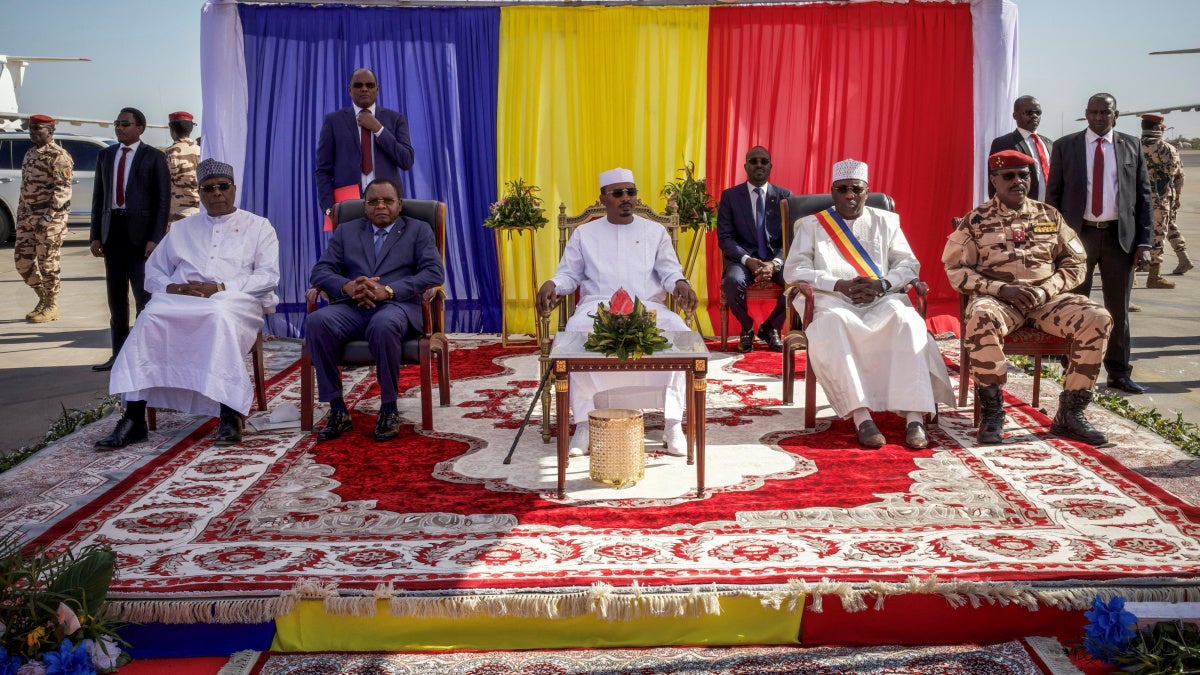
The 2025 presidential election victory of Mahamat Idriss Déby solidified his grip on power following the controversial 2024 polls, widely criticized by opposition groups for alleged irregularities. Constitutional amendments ratified in 2025 abolished term limits and extended presidential mandates from five to seven years, effectively allowing Déby to remain in office indefinitely with periodic elections every seven years.
Opposition figures faced severe repression under these tightened conditions. Succès Masra, leader of the opposition party Les Transformateurs, was arrested and sentenced to 20 years in prison after contesting the 2024 election results. Activists, party members, and journalists endured arrests, intimidation, and legal harassment. A controversial amnesty law shielding perpetrators of 2022 protest-related abuses further stifled justice and public debate.
Intercommunal violence surged in southern and eastern Chad throughout 2025, primarily between nomadic Fulani herders and sedentary farming communities. Dozens died in clashes fueled by disputed land boundaries, climate pressures, and shrinking arable land. The crisis was compounded by the ongoing conflict in neighboring Sudan, which drove additional refugee flows into Chad. Devastating floods at the end of 2024 and early 2025 exacerbated food insecurity across the country.
Progress on reparations for victims of abuses under former President Hissène Habré stalled in 2025, despite partial payments made in 2024 that fell far short of court-ordered amounts.
Rising intercommunal violence in southern and eastern regions
Despite government claims of addressing root causes—such as unclear land titles and unregulated livestock migration routes—conflicts between herders and farmers intensified in 2025. In May, clashes erupted in Mandakao, Logone-Occidental Province, after disputes over grazing and farming boundaries. Official reports confirmed 41 fatalities and six injuries, while media sources traced the conflict to contested land demarcations, with both sides accusing the other of encroachment.
In June, violence flared in Orégomel, Mayo-Kebbi Ouest Province, when farmer-herder disputes escalated into machete attacks, killing 17 people, including women and children. Meanwhile, in Molou, Ouaddaï Province, tribal clashes in mid-June resulted in around 20 deaths and 16 injuries. These incidents reflect a broader pattern of escalating violence driven by demographic pressures, land scarcity, and environmental degradation.
Political space under pressure: opposition silenced
On May 16, Succès Masra was arrested in N’Djamena on charges of inciting hatred, xenophobia, and complicity in murder via social media, linked to the deadly Mandakao clashes. His trial, conducted alongside dozens of co-defendants, concluded on August 9 with a 20-year prison sentence and a fine of 1 billion CFA francs (approximately $1.8 million). His co-accused received identical sentences for similar charges.
Masra’s politically motivated arrest and expedited trial effectively neutralized opposition activity and silenced dissent. The proceedings violated the Kinshasa Agreement of October 2023, which had suspended an arrest warrant against him and guaranteed safe return from exile and freedom to engage in political activities for him and his supporters.
Constitutional changes centralize power
In September 2025, Chad’s National Assembly approved sweeping constitutional amendments extending presidential terms from five to seven years and removing all term limits, eliminating checks on executive power. The vote, boycotted by most opposition members, passed with 171 votes in favor, one abstention, and no opposition. Both houses of Parliament endorsed the reforms, which were signed into law by the president in October.
These constitutional changes consolidate power in the hands of Mahamat Idriss Déby, eroding legislative oversight and severely limiting political debate and opposition participation.
Political violence, dissent, and state repression
Despite calls for investigations into the 2024 victory celebrations, during which security forces fired into civilian areas, killing at least 11 people and injuring many others—including children—no meaningful inquiry or accountability was pursued in 2025. Victims received little compensation or legal recourse.
The death of opposition leader Yaya Dillo during a security force raid on his party headquarters before the 2024 election remained uninvestigated in 2025. In December 2024, authorities released 24 relatives detained at the high-security Koro Toro prison, while ten others were acquitted in July 2024. In June 2025, Robert Gam, leader of Dillo’s Parti socialiste sans frontières, was freed after eight months in detention without charge.
In September, the Ministry of Territorial Administration and Decentralization revoked the citizenship of Makaila Nguebla, a blogger and former human rights advisor to the transitional government, and Charfadine Galmaye Saleh, an activist and journalist. Both are now living in exile abroad.
In March, journalists Olivier Monodji and Mahamat Saleh Alhissein were detained on espionage and state security charges linked to alleged ties with the Russian mercenary group Wagner. Their prolonged detention without trial violated international standards on arbitrary detention and fair trial rights. They were released in July.
LGBTQ+ rights under threat
Chad’s 2017 Penal Code, Article 354, criminalizes same-sex relations, imposing up to two years imprisonment and fines ranging from 50,000 to 500,000 CFA francs (approximately $75 to $750). This provision continues to expose LGBTQ+ individuals to legal persecution and discrimination.