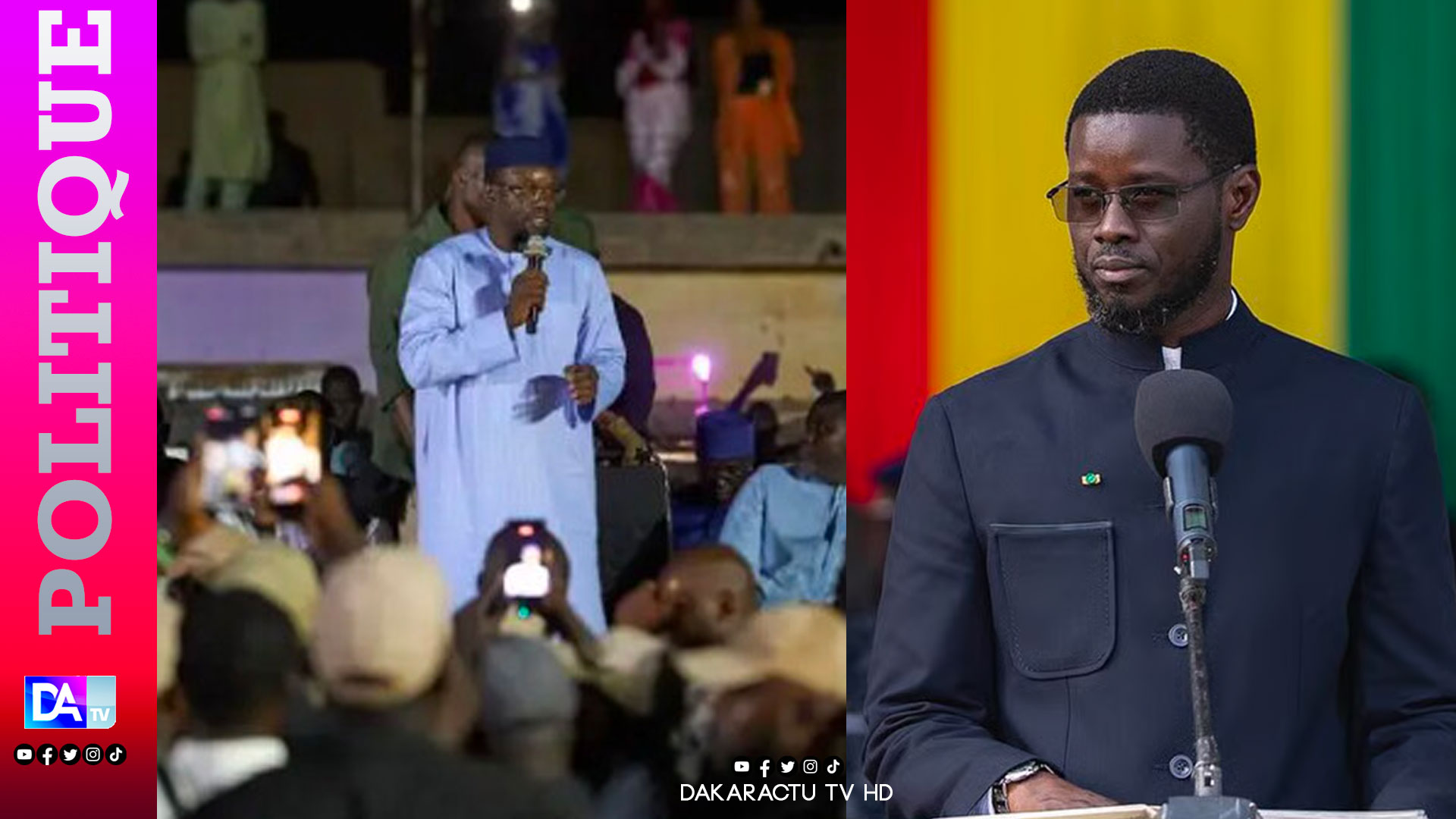
A political storm erupted in Khombole after a Senegalese activist used a sacred Islamic invocation for opposition leader Ousmane Sonko, sparking immediate backlash and raising questions about the blurring of religious and political boundaries in Senegal.
Maïmouna Dièye’s remarks during a Saturday event in Khombole caught Ousmane Sonko—and many observers—off guard when she addressed him using the phrase « under the presence of Seyidina Ousmane Sonko Salalahou Aleyhi Wa Salam », a linguistic choice that carries deep religious weight in Senegal’s Muslim-majority society.
Why the invocation caused outrage
The expression « Salalahou Aleyhi Wa Salam » is a revered Islamic formula reserved exclusively for the Prophet Muhammad (peace be upon him) and, in certain traditions, other prophets. Its use to elevate a political figure—no matter how prominent—violates a core principle of Islamic practice, where spiritual veneration belongs solely to divine figures. By applying this sacred invocation to Ousmane Sonko, Dièye unknowingly crossed a line that many Senegalese find sacrilegious, prompting swift public criticism and forcing Sonko himself to clarify his position publicly.
Ousmane Sonko’s response
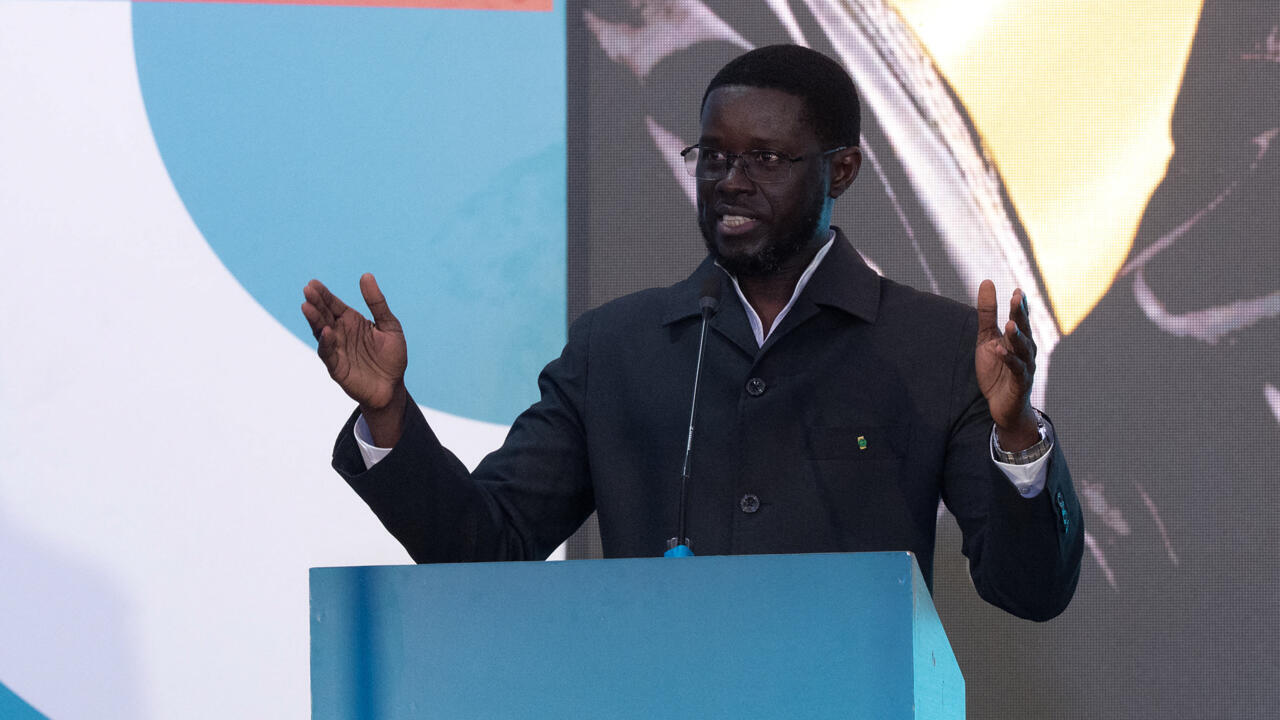
Recognizing the gravity of the situation, Sonko immediately addressed the controversy, separating political admiration from religious sacralization. In a carefully worded statement, he acknowledged the affection of his supporters while firmly rejecting any attempt to place him on a spiritual pedestal. « This honor belongs only to the Prophet Muhammad, » he emphasized, making it clear that he neither seeks nor claims such divine association. His measured response aimed to de-escalate tensions and prevent political opponents from exploiting the incident in a climate where religious sensitivities run high.
The episode highlights the delicate balance Senegalese leaders must maintain when navigating public discourse, where even unintended religious references can become flashpoints in a nation where faith and politics are deeply intertwined.