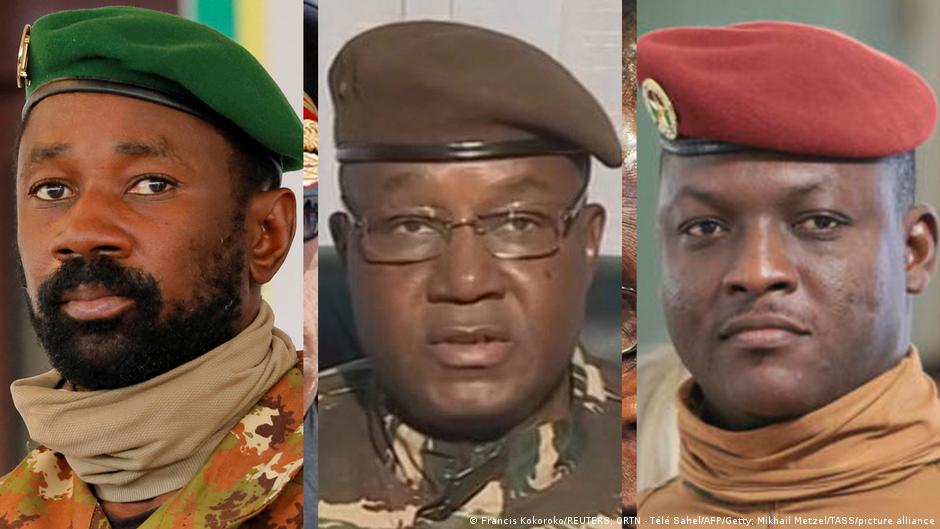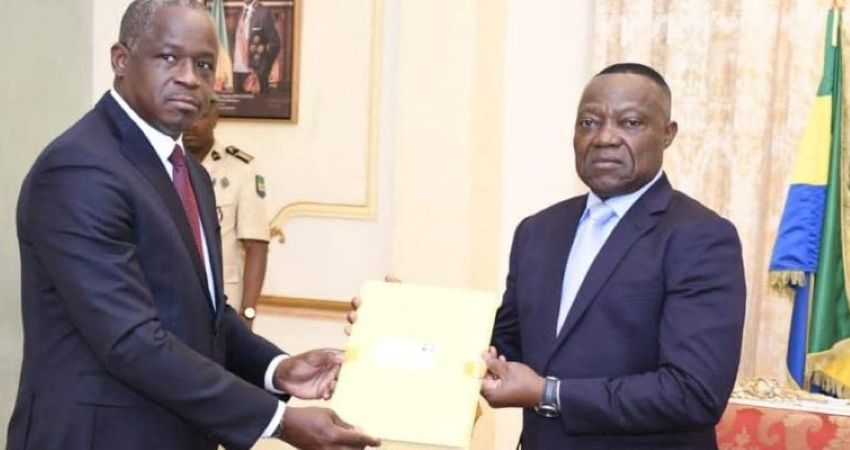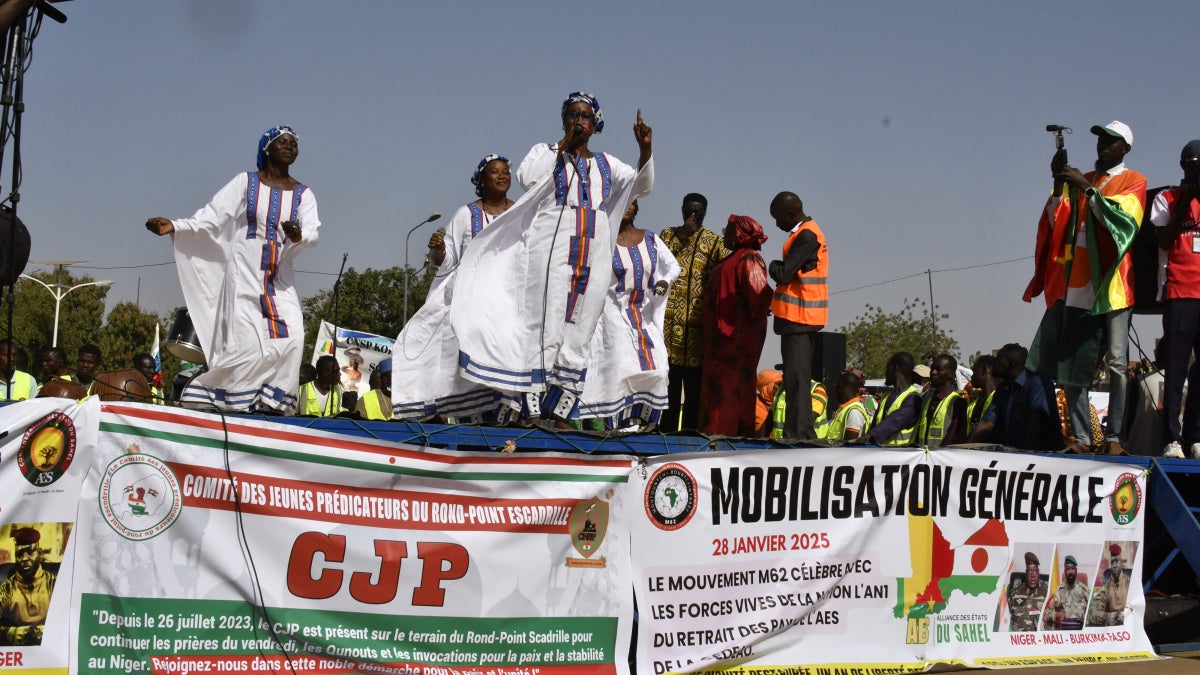
The human rights landscape in the Niger has worsened significantly since the July 2023 military takeover. By 2025, the ruling junta intensified repression against political opponents, dissidents, trade unionists, and journalists. Arbitrary detentions have become commonplace, including that of former President Mohamed Bazoum and his wife, alongside deposed government officials, activists, and media professionals.
The nation continues to face threats from multiple Islamist armed factions, including the Islamic State in the Sahel (EIS), the Group for Support of Islam and Muslims (GSIM or Jama’at Nusrat al-Islam wa al-Muslimeen, JNIM)—affiliated with Al-Qaeda—as well as Boko Haram and the Islamic State in West Africa Province (ISWAP). These groups operate primarily in western regions like Tillabéri and southeastern border areas shared with Mali and Burkina Faso, where clashes have escalated, placing civilians in grave danger.
In August 2025, the junta launched Garkuwar Kassa (“Shields of the Homeland” in Hausa), a civilian militia initiative aimed at recruiting and training locals to support the armed forces. While framed as a security measure, concerns have emerged about potential abuses and the risks of unregulated armed groups operating outside formal military control.
In March 2025, without holding elections, General Abdourahamane Tiani was sworn in as transitional president, further consolidating military rule. His administration also issued a decree abolishing multiparty democracy nationwide, raising alarms about the country’s democratic future.
In January 2025, the Niger joined Mali and Burkina Faso in withdrawing from the Economic Community of West African States (ECOWAS), reducing avenues for citizens to seek justice through regional courts. By September, the three countries announced plans to exit the International Criminal Court (ICC), a move that could severely undermine accountability for atrocities committed within their borders.
Brutal attacks by Islamist insurgents on civilians
Since 2012, when Islamist insurgency began in northern Mali before spreading to the Niger and Burkina Faso by 2015, the region has endured over a decade of widespread violence. In 2025, the Islamic State in the Sahel escalated attacks in Niger’s Tillabéri region—bordering Mali and Burkina Faso—targeting villages with mass executions and destruction.
On March 21, ISIS fighters stormed a mosque in Fambita village during afternoon prayers, killing at least 46 worshippers, including three children. Survivors reported the attackers looted livestock, burned over 20 homes, and destroyed several market stalls. Similar assaults followed:
- May 13: Five men and two boys were killed in Dani Fari village; at least 12 homes were torched, and dozens more were looted.
- June 21: More than 70 worshippers—including five children—were killed in a dawn attack on a mosque in Manda village. Homes were burned and ransacked.
- June 20: Elders and community leaders faced targeted executions. In Abarkaize, a 67-year-old village chief was murdered, and five men were abducted. Their bodies, with throats slit, were found days later.
- June 23: Six civilians were killed and homes were pillaged in Ezzak village.
Before each assault, ISIS fighters issued threats, accusing villagers of collaborating with the Nigerien military or refusing to pay zakat (Islamic tax). Survivors stated that despite warnings, security forces failed to intervene, leaving communities defenseless.
Systematic suppression of dissent and political opposition
Since the coup, former President Mohamed Bazoum and his wife have been held incommunicado at the presidential palace in Niamey. In 2024, the junta revoked Bazoum’s presidential immunity, a decision criticized for violating due process. In February 2025, the UN Working Group on Arbitrary Detention ruled that Bazoum’s detention was unlawful and demanded his immediate release.
Dozens of former officials—including ministers, presidential aides, and allies—have been arbitrarily arrested without fair trial guarantees. While some were released in April 2025, many remain imprisoned on politically motivated charges. Prominent human rights defender Moussa Tiangari has been detained since December 2024 under accusations such as “conspiracy with foreign powers”—a charge that carries the death penalty. Despite legal appeals, his trial has been repeatedly delayed, and he remains in custody without judicial review.
Crackdown on free speech and civil society
Since the 2023 coup, press freedom in the Niger has been severely curtailed. Journalists face harassment, threats, and arbitrary arrests, forcing many into self-censorship. In January 2025, private broadcaster Canal 3 TV was suspended for 30 days after its editor criticized government performance. The channel’s press card was also revoked, though the suspension was later lifted.
In February, military authorities expelled the International Committee of the Red Cross (ICRC) from the country without explanation, disrupting humanitarian aid to vulnerable communities.
On May 8, security forces arrested three journalists from Sahara FM Radio in Agadez, accusing them of reporting on alleged changes in Niger’s security partnerships with Russia and Turkey. After initial release, they were re-arrested and remain detained without formal charges.
In August, Interior Minister General Mohamed Toumba dissolved four judicial unions, citing “deviation from their roles” and “personal interests.” The move was widely condemned as an assault on labor rights and judicial independence. The Niger Trade Union Confederation and the Niger Bar Association condemned the decision and called for its reversal. Lawyers staged a two-day nationwide strike in protest.