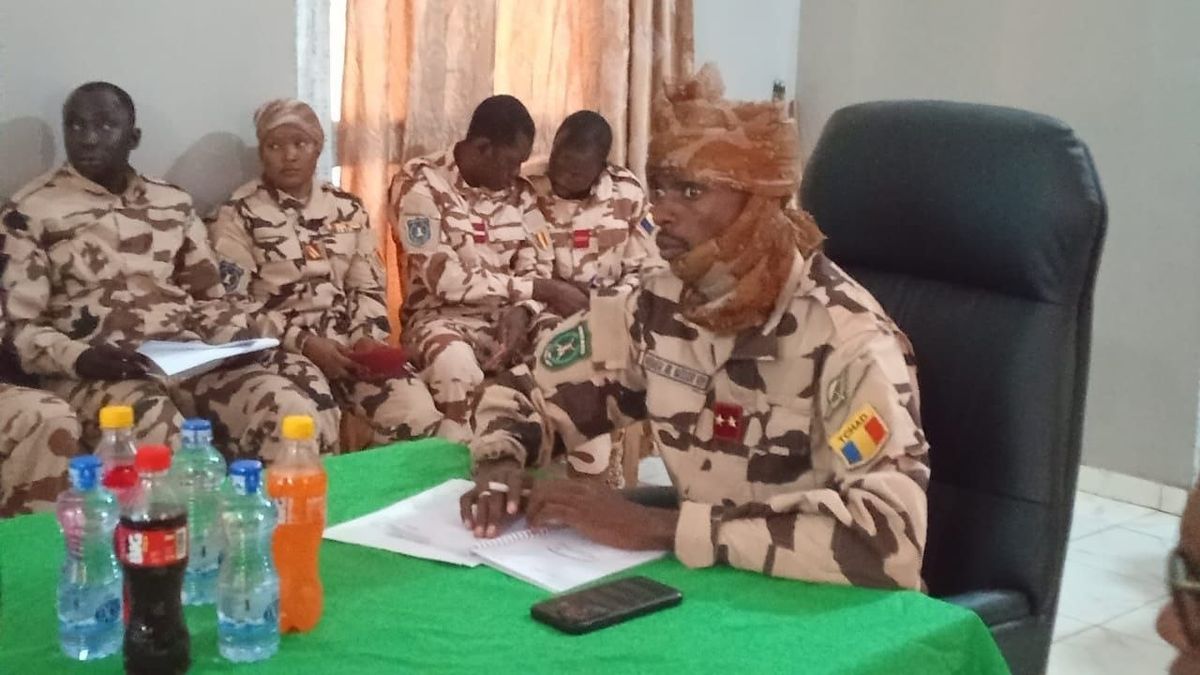
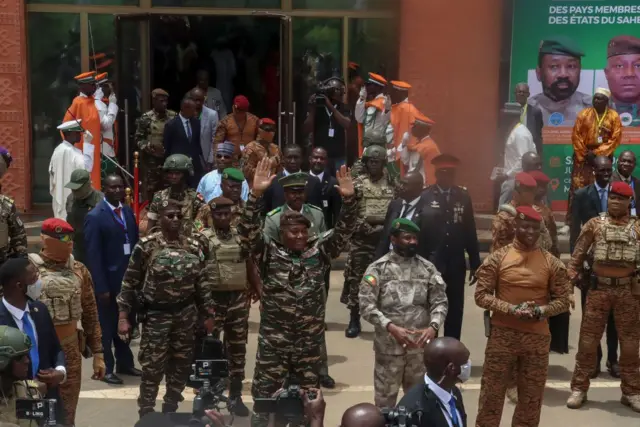
The military leadership of Mali, Burkina Faso, and Niger is convening in Bamako for a two-day summit starting this Monday. This marks the second official session of the heads of state for the Confederation of Sahel States (AES).
According to the Mali Government Information Centre (CIGMA), this high-level meeting serves as a platform for leaders to evaluate progress made since the founding summit in Niamey on July 6, 2024. The agenda includes addressing diplomatic and developmental hurdles, navigating security threats, and selecting a new chairperson for the confederation.
The Malian government emphasized that the discussions will focus on the first-year implementation of the regional roadmap and the transition toward making AES institutions fully operational. Global and regional geopolitical shifts are also expected to be major talking points during the sessions on December 22 and 23.
Beyond establishing a framework for coordination between the three nations, the first year of the AES has seen significant milestones in harmonizing state instances, according to Malian officials.
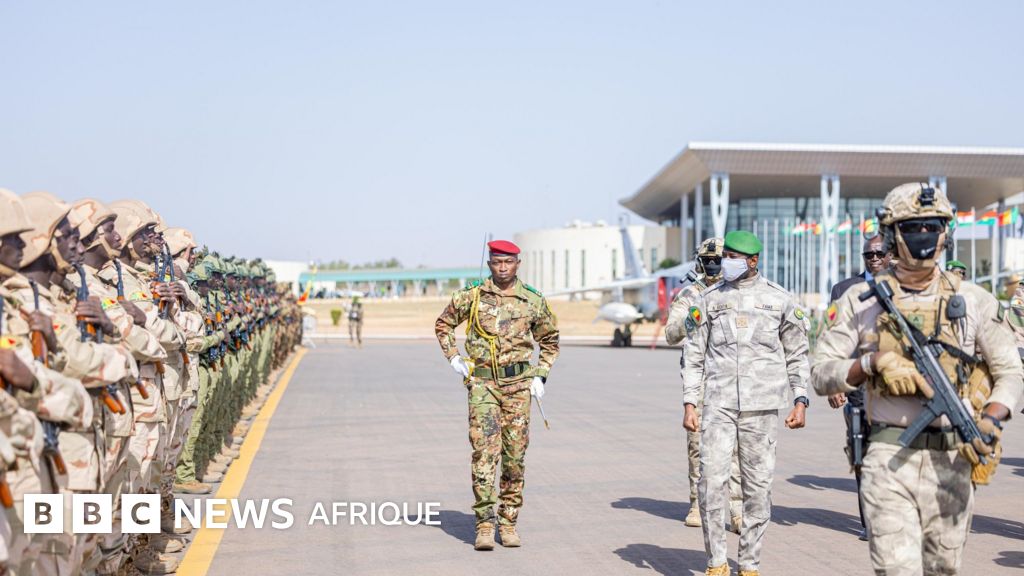
On the eve of this summit, General Assimi Goïta, the Transition President of Mali and current leader of the AES, officially inaugurated the AES Unified Force (FU-AES) in Bamako on Saturday, December 20.
Understanding the AES Unified Force
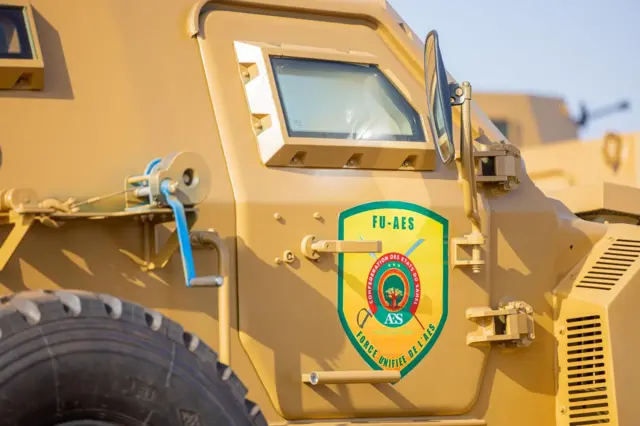
For years, the Sahel nations have grappled with persistent instability, cross-border raids, and the high mobility of armed groups. In response, Mali, Burkina Faso, and Niger have prioritized military synergy. This includes deeper intelligence sharing, synchronized field operations, and a unified command structure to protect vulnerable frontier zones.
The activation of this joint force in the Malian capital is a direct answer to these shared security challenges. Comprising 5,000 soldiers from the three member states, the FU-AES is led by General Daouda Traoré of Burkina Faso. Its core mandate is to neutralize terrorist threats and restore safety across the AES territory.
General Sadio Camara, Mali’s Minister of Defense, stated that sovereignty and peace cannot be outsourced. He described the unified force as the result of a strategic alliance rooted in the Sahel‘s core values of dignity and solidarity, marking an irreversible commitment by the three nations.
Strategies for reaching operational success
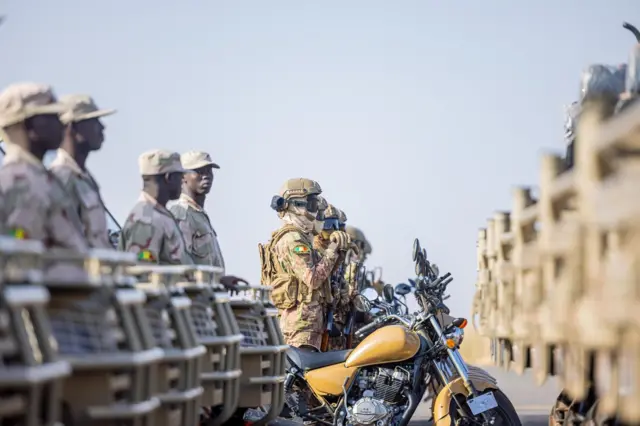
During the official ceremony, Assimi Goïta highlighted successful joint operations such as Yéréko I and Yéréko II. These missions led to the elimination of several extremist leaders and the destruction of insurgent hideouts through shared logistics and data.
Despite these wins, the threat remains high. Groups like the JNIM continue to disrupt supply lines, as seen with recent fuel blockades in Mali. Fiacre Vidjenagninou, a Senior Associate Researcher at the Egmont Institute and lead researcher at the Behanzin Institute in Bénin, argues that the force’s credibility depends on its ability to move beyond announcements and deliver concrete safety for civilians.
He suggests that the force must master several critical areas: command efficiency, rapid intelligence-to-action cycles, and, most importantly, the ability to hold territory after a raid. “A strategy of hitting and leaving is no longer viable,” Vidjenagninou explained. “The force must stay to secure markets, protect villages, and reassure the public.”
He also noted that military might alone cannot stabilize the region. Without basic governance, local justice, and the resolution of land or communal disputes, violence will likely resurface.
The path to broader integration
On the topic of expanding the force to include other neighbors, Vidjenagninou remains cautious. He warns that involving more countries could complicate coordination due to differing doctrines and potential mistrust. He advocates for a step-by-step approach: proving the effectiveness of the trio first, then collaborating with neighbors on specific corridors before any formal integration.
While the FU-AES represents a major political shift, its ultimate success will be measured by its field performance and its impact on the lives of local populations. In addition to security talks, the Bamako summit will finalize the launch of the AES Television, headquartered in Mali, and follow up on the AES Radio based in Burkina Faso. Leaders will also discuss the Confederal Investment and Development Bank (BCID), which carries an initial capital of 500 billion CFA francs.
This alliance emerged after Mali, Burkina Faso, and Niger faced sanctions and military threats from ECOWAS following recent government transitions. Choosing to leave the regional bloc, they signed the Liptako-Gourma Charter in September 2023, which paved the way for the formal AES Confederation established in July 2024.