Cotonou hosts pivotal summit to redefine Benin’s future with renewed EU cooperation
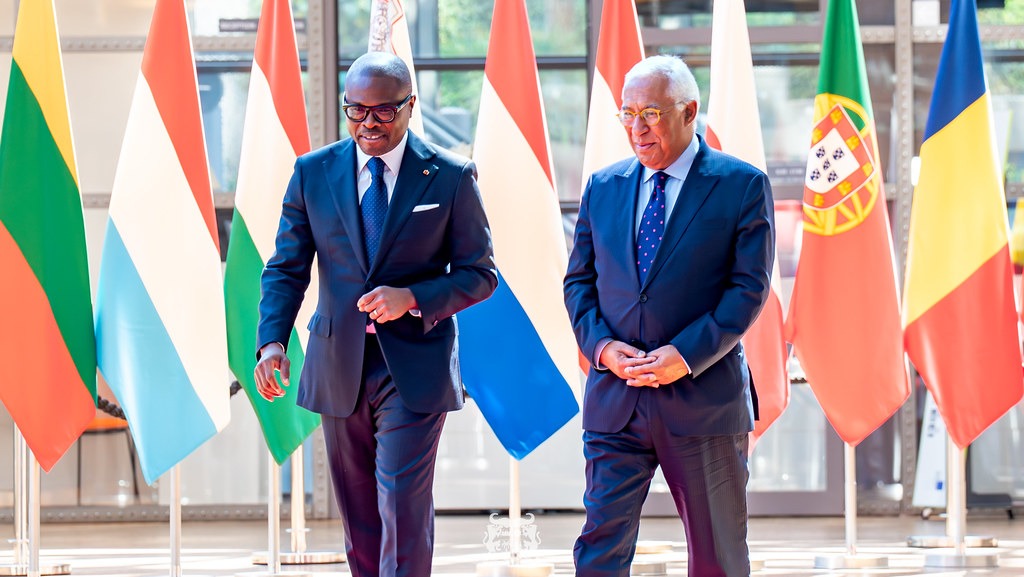
The economic heartbeat of West Africa pulsed in Cotonou this October, where key decision-makers from Benin and the European Union (EU) converged to chart a new course for their strategic alliance. On October 21, 2026, a high-level ministerial working session brought together Beninese government leaders and senior EU diplomats to review ongoing collaborations and unveil fresh strategic priorities for 2026 and beyond.
The stakes couldn’t be higher — this wasn’t just another diplomatic meeting. With youth unemployment hovering at critical levels and local economies seeking sustainable pathways out of fragility, the future of Benin’s development now hinges on the outcome of this partnership.
From dialogue to action: aligning partnerships with tangible citizen outcomes
At the opening of the roundtable, Benin’s Foreign Affairs Minister, Corinne Amori Brunet, underscored the urgency of shifting from diplomatic rhetoric to measurable impact. She emphasized reorienting EU-backed investments and programs toward projects with direct, visible benefits for local communities — especially young people and small businesses.
The EU delegation reciprocated with praise for Benin’s stability and structural reforms, signaling their readiness to deepen support aligned with the country’s National Development Plan. This mutual recognition of progress sets the stage for a partnership rooted not in promises, but in shared, practical action.
Priorities 2026: jobs, digital futures, and resilient infrastructure
Together, the two sides mapped out a strategic roadmap centered on a few core pillars:
- Youth employment and entrepreneurship: New programs designed to equip young Beninese with skills for digital jobs, green industries, and local value chains, with funding streams earmarked for micro-enterprises and startups.
- Digital transformation: Accelerating Benin’s digital economy through EU-supported infrastructure, regulatory reforms, and training initiatives — bridging the urban-rural divide and unlocking new markets.
- Sustainable infrastructure and services: Prioritizing urban renewal, clean energy projects, and essential public services to improve living conditions and attract investment.
- Institutional governance: Reinforcing transparency, public financial management, and anti-corruption measures to build an enabling environment for business and innovation.
Why this moment defines Benin’s 2026 growth trajectory
This Cotonou summit arrives at a pivotal moment, when regional dynamics are shifting rapidly. Instability in neighboring countries and global economic pressures demand agile, responsive partnerships. Benin and the EU are responding with a renewed focus on equity, flexibility, and local ownership.
The alliance is no longer just about aid — it’s about co-creating shared prosperity. By embedding economic opportunities into the heart of local communities, both partners aim to build resilience that outlasts political cycles and regional uncertainty.
What’s next? From summit to sustainable implementation
The conversations in Cotonou laid the groundwork for a new chapter — one where cooperation is not episodic, but continuous, and where every euro invested is tracked for its real-world impact. The coming months will tell whether this partnership can translate ambition into tangible change for the people of Benin.
One thing is clear: the path forward must prioritize youth, innovation, and inclusive growth. Success will be measured not in press releases, but in jobs created, businesses launched, and lives improved across Benin.