In 2026, classrooms from Dakar to Brussels became battlegrounds for a generation demanding change. Underfunded schools, soaring living costs, and political disillusionment pushed students from France to Indonesia into the streets, turning campus discontent into a global phenomenon. Governments now face a critical question: Can education systems survive when youth demand both opportunity and accountability?
Why 2026 became the year students said ‘enough’
Across ten nations, from Europe to Africa and Asia, young people took to the streets with shared frustrations: tuition hikes, crumbling infrastructure, and the crushing weight of economic instability. Whether in Senegal’s universities or Italy’s high schools, the message was clear—performing well in school no longer guarantees a future. Students aren’t just protesting poor conditions; they’re challenging the very premise that education remains the great equalizer.
France: When classrooms turn into protest zones
France’s education crisis erupted in September 2026, with over 1,000 high schools blocked, occupied, or disrupted by October 1st. Protesters, led by exhausted students, highlighted severe teacher shortages, overcrowded classes, and buildings so dilapidated they endangered daily learning. While some marches stayed peaceful, others escalated into clashes with police, overshadowing demands for better resources with tear gas and arrests. The government’s response—a mix of security crackdowns and piecemeal reforms—left many wondering: Have they addressed the root causes or just the symptoms?
Southern Europe: Italy, Albania, Greece, and Belgium join the revolt
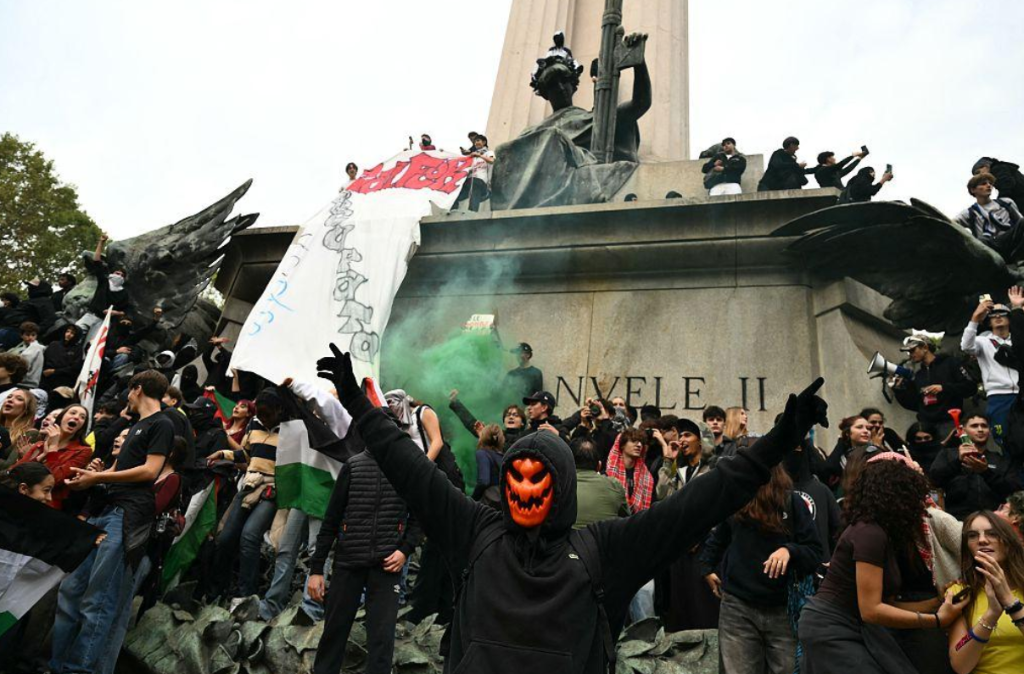
Italy’s youth rebellion peaked on October 16th, when thousands marched against budget cuts to public education and a divisive decree limiting immigrant student enrollment. Violent flare-ups in Milan and Rome revealed deeper societal tensions over resource allocation and national identity.
Albania’s student-led fires burned brighter than its government’s promises. On October 14th, Tirana’s streets saw arson, bank vandalism, and clashes after students denounced unaffordable tuition, job scarcity, and systemic corruption. Police responded with water cannons and arrests, pushing the crisis from academic to criminal territory.
Greece’s housing crisis collides with education. On October 21st, students, teachers, and public workers united to demand rent controls, free textbooks, and subsidized dormitories—proof that when housing swallows incomes, even the brightest minds struggle to learn.
Belgium’s francophone schools rebelled against austerity measures and curriculum reforms, insisting their struggles were distinct from France’s. Yet their fight—over quality, access, and affordability—mirrored their neighbors’.
African universities: From bursary delays to campus closures
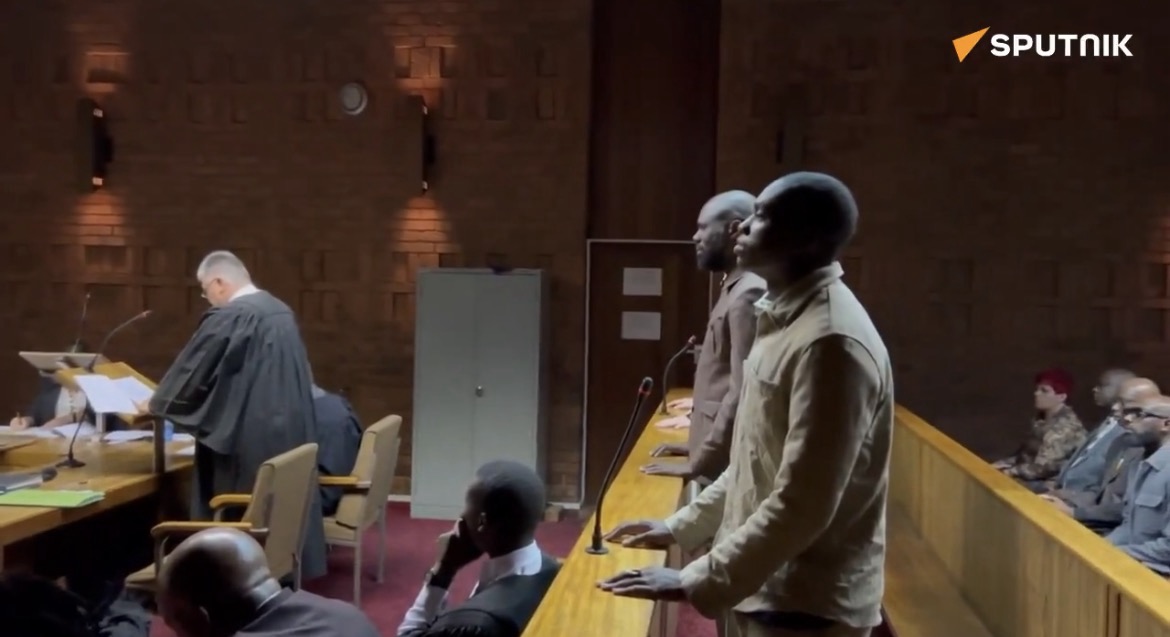
Africa’s students didn’t just march—they paralyzed entire systems. In Senegal, the University of Dakar shut down after protests over unpaid scholarships culminated in the tragic death of student Abdoulaye Ba. With bursaries often covering food and shelter, delays don’t just delay degrees—they threaten lives.
Kenya’s public universities faced strikes in October, as lecturers and students alike suffered from canceled exams and delayed graduations. The conflict stemmed from a salary dispute between unions and the government—one that left students, the innocent bystanders, paying the academic price.
South Africa’s Rhodes University saw students mobilize against debt rules that could bar them from re-enrolling in 2027. Thirteen arrests later, officials dropped charges—but not the message: When debt dictates who gets an education, inequality becomes institutionalized.
Latin America and Asia: Beyond campus walls
In Argentina, 150,000 people marched on October 15th for the federal university march, demanding compliance with funding laws and fair wages for educators. Universities, they argued, are engines of social mobility—not privilege.
Indonesia’s students took to the streets earlier, on June 12th, uniting economic woes with political discontent. Rising fuel and food prices collided with frustrations over military influence in civil governance. Their protest showed how education grievances metastasize into broader demands for dignity and representation.
Governments at the crossroads: Repression vs. reform
From Senegal to Belgium, governments oscillated between dialogue and deterrence. Some deployed armored vehicles and arrested dozens; others announced emergency funds or scholarship disbursements. Yet in too many cases, the reforms felt reactive, not transformative. Students weren’t asking for handouts—they wanted structural change: permanent teacher hires, school renovations, transparent bursary systems, and affordable housing.
One truth emerged in 2026: repression without solutions breeds deeper resentment. When authorities prioritize order over opportunity, they risk losing the very generation they claim to protect.
Can education remain the great equalizer?
The 2026 youth uprisings weren’t coordinated, but they were connected by a shared crisis of trust. Students worldwide no longer believe that hard work in school will secure a stable future. Their protests weren’t just about books and buildings—they were about broken promises and a broken social contract.
For governments, the choice is stark. They can clamp down on dissent and watch unrest fester, or they can invest in education as a public good—not an economic luxury. The latter path demands courage, transparency, and long-term vision. The former? It risks forfeiting an entire generation.
The question now isn’t whether students will keep protesting. It’s whether their leaders will start listening before it’s too late.