In a nation grappling with political transition and growing internal unrest, the detention of prominent journalist Moussa Kaka has raised a pressing question: is critical reporting now a crime in Niger under General Abdourahamane Tiani’s leadership? The case of the 52-year-old veteran journalist, detained since August 31, 2026, has become a flashpoint in the debate over whether dissent can still be expressed safely in one of West Africa’s most fragile democracies.
The Disappearance That Sparked a Crisis
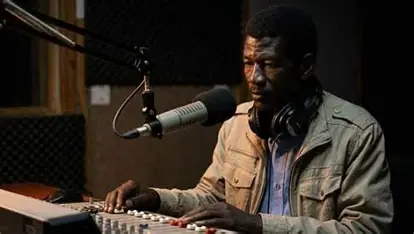
Journalists and civil society groups first voiced alarm after Moussa Kaka vanished while leaving his office at Radio Télévision Saraounia (RTS), a station he co-founded and led. For over a month, authorities remained silent about his whereabouts. It wasn’t until October 6, 2026, that the Minister of Justice confirmed Kaka was alive but still in custody. The announcement, far from resolving concerns, deepened uncertainty over the grounds for his detention and the legal protections he is entitled to.
Demanding Accountability: Legal Rights in Question
International law and Niger’s own constitution guarantee every detainee the right to know the charges against them, access to legal counsel, and prompt appearance before a judge. Yet Kaka’s case appears to contravene these principles. Human rights organizations and media advocacy groups have condemned the lack of transparency, signaling a dangerous erosion of due process in a country struggling to maintain democratic standards amid security challenges.
Analysts warn that arbitrary detention used to silence critics rather than uphold justice undermines public trust and weakens institutions. “A state that imprisons voices instead of addressing them is not strengthening sovereignty,” stated a regional press freedom advocate. “It is surrendering to fear.”
From Criticism to Criminalization: The Climate of Fear
The Kaka affair is not an isolated incident. Across Niger, journalists, activists, and citizens who challenge official narratives report increasing pressure. Reports indicate that media outlets have faced closures, censorship, or direct intimidation when publishing content critical of government policies or alleged corruption. Such actions send a chilling message: public criticism is not just discouraged it is treated as a threat to national stability.
Yet history shows that societies that suppress dissent do not become more stable they become more vulnerable. Transparency, not silence, builds resilience. The suppression of investigative reporting delays the exposure of mismanagement, corruption, and abuse issues that ultimately erode public confidence in the state.
Sovereignty vs. Repression: Can a Nation Be Strong by Silencing Its People?
General Tiani’s government has repeatedly invoked national sovereignty to justify security policies and limit public freedoms. But sovereignty cannot be built on the back of injustice. A nation’s strength is measured not by how many dissenters it can imprison, but by how it protects the rights of all its citizens especially those who ask difficult questions.
The military junta has pledged to restore order and national dignity. Yet acts like the detention of a respected journalist with no clear legal justification, no public indictment, and no due process suggest a government more interested in control than accountability.
What Now? The Call for Justice and Transparency
For Moussa Kaka’s family, colleagues, and countless supporters, the path forward is clear: his immediate release. But beyond this single case, the demand goes further. Niger must restore independent judicial oversight, end arbitrary arrests, and ensure that freedom of speech is not treated as a luxury reserved only for those who agree with the state.
Freedom of expression is not a gift from those in power. It is a fundamental right. And no political system, no matter how firmly it claims legitimacy, has the right to revoke it.
The Way Forward
Release Moussa Kaka immediately, with full public disclosure of the legal basis for his detention
Allow independent judicial review to assess the legality and necessity of his confinement
End the use of detention as a tool to silence critical voices in media and civil society
Restore full operational independence to Niger’s media regulatory bodies and press associations
The future of press freedom in Niger is not just about one journalist. It is about whether a nation can remain both sovereign and just without sacrificing its soul in the process.
By Élise Ntamag — Journalist