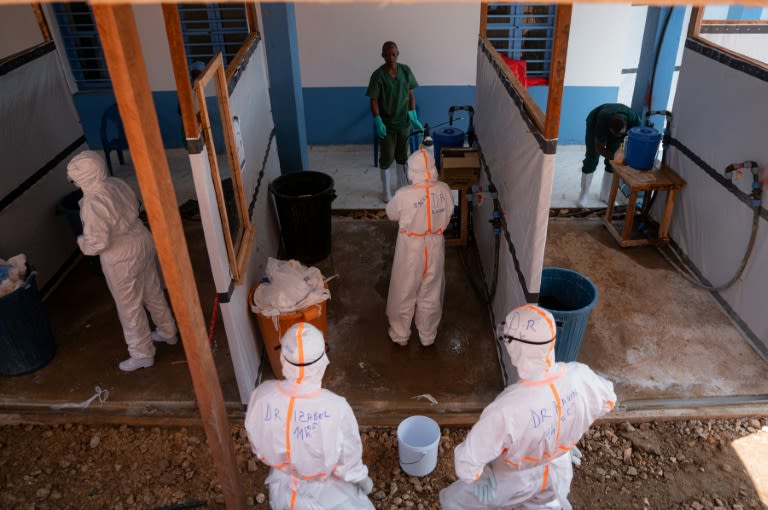
Global health alert as Ebola crisis deepens in Democratic Republic of Congo
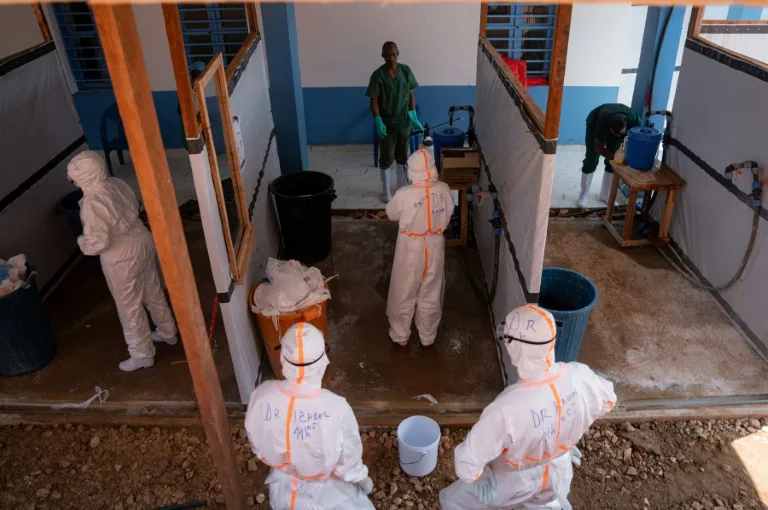
The International Council of Nurses has issued an urgent call to Congolese authorities to immediately compensate and safeguard health workers battling the latest Ebola outbreak in the Democratic Republic of Congo. With the nation declaring its 17th Ebola epidemic on May 15, the response effort continues to struggle against the virus, compounded by the country’s severe healthcare infrastructure limitations.
“It’s impossible to combat Ebola without fair compensation for those risking their lives on the front lines,” emphasized Howard Catton, CEO of the International Council of Nurses, representing over 140 national associations and more than 30 million nurses worldwide. “Healthcare personnel are putting their lives on the line to protect communities, often facing immense personal risks. Yet, months into this crisis, many remain unpaid.”
The Geneva-based council has formally requested the DRC’s Health Minister, Roger Kamba, to take immediate action to address unpaid salaries and provide essential protections for nurses and other healthcare workers engaged in the epidemic response.
According to reports from the front lines, nurses and healthcare staff have not received their salaries for two to three consecutive months. “This demands urgent political leadership and direct intervention,” stated Catton. “Our message is clear: pay healthcare workers what they are owed, ensure regular payments moving forward, and provide the necessary protections to carry out their duties safely.”
Beyond immediate salary and risk allowance payments, the council is urging authorities to guarantee future regular compensation, adequate personal protective equipment (PPE), insurance coverage, risk allowances, and other critical safeguards.
Ebola’s deadly toll
The current outbreak has already claimed over 2,128 lives from 4,566 confirmed cases in just three months—a rate that surpasses previous epidemics. This marks the second-largest Ebola outbreak ever recorded in the country, with its spread accelerating faster than all prior outbreaks. “At this pace, it risks surpassing even the devastating 2014-2016 West Africa Ebola epidemic,” warned the World Health Organization’s Director-General, Tedros Adhanom Ghebreyesus.
The Africa Centres for Disease Control and Prevention reports that during the first three months of this outbreak, seven times more cases and five times more deaths were recorded compared to the same period during the deadliest Ebola outbreak in history—the West Africa epidemic.
Funding remains critically insufficient: only $264 million of the $518 million required for the joint preparedness and response plan launched in early June by the Africa CDC and WHO has been mobilized to date.
No specific vaccine or treatment currently exists for the Bundibugyo strain driving this epidemic. In response, the WHO is coordinating efforts to initiate clinical trials using the Ervebo vaccine, which is approved for the Zaire strain.
“We are finalizing the protocol for submission to the DRC’s regulatory authorities for review,” stated Vasee Moorthy, Head of WHO’s Research & Development Program.
You may also like
Lyon’s goalless stalemate with Chelsea: the real-world fallout for fans, clubs and the women’s game
Eastern DRC peace mediation: what the latest Tshisekedi letter to Gnassingbé means for civilians and local businesses
Mali: JNIM ambush on Russian Africa Corps convoy near Niono — what it means for civilians and local trade
Mali’s poverty crisis: how hunger and hardship are reshaping daily life for millions
Guinea-Bissau’s December election: what Embaló’s return means for daily life, stability and the economy