Gabon’s fisheries renegotiation with the EU: what the fallout means for the next deal
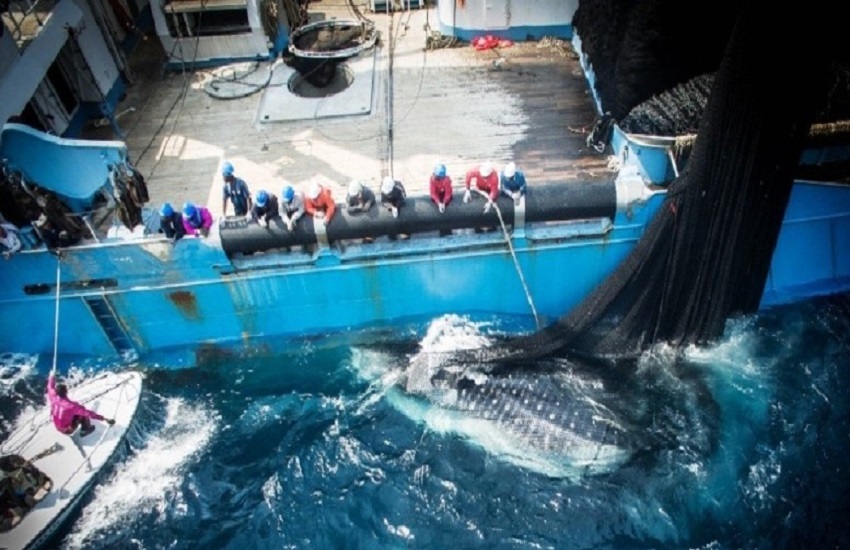
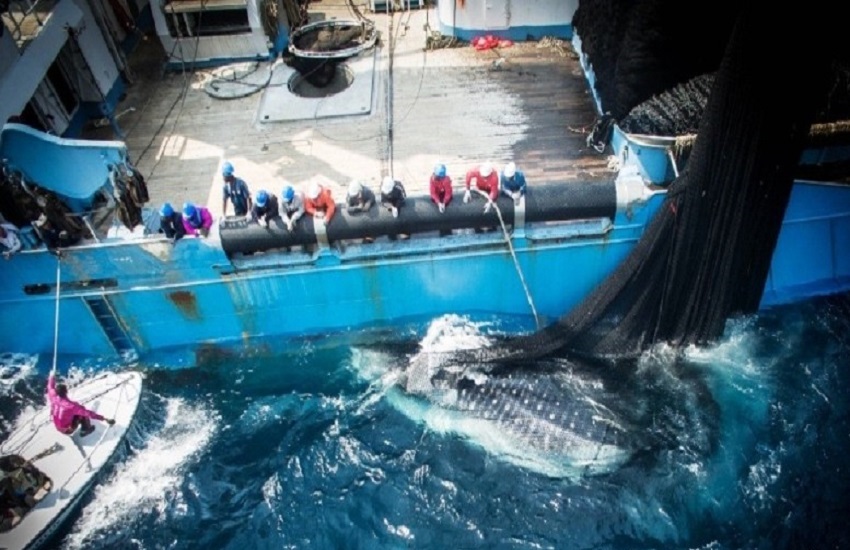
Libreville, Wednesday 23 September 2026 – Gabon and the European Union are preparing to reopen a file that goes far beyond the simple question of European vessels’ access to Gabonese waters. After the end of the previous partnership, Libreville now wants to redefine the economic, industrial and operational terms of a cooperation that will govern the exploitation of its fisheries resources. The fallout from the old deal has sparked public debate, and all eyes are now on what comes next.
On 18 September, the Gabonese government gave the green light to open negotiations on a new Sustainable Fisheries Partnership Agreement and its implementing protocol.
This resumption of dialogue comes more than a year after Gabon denounced the previous agreement on 4 June 2025. With its protocol having expired on 28 June 2026, the European arrangement is now considered suspended. EU vessels no longer have a framework allowing them to fish in Gabonese waters. The old exclusivity clause also prevents bypassing this situation through simple individual authorisations.
For Libreville, the upcoming negotiation is therefore an opportunity to review the balance of a partnership whose local economic spin-offs appeared limited compared to the potential of the resources concerned.
An economic model that needs rethinking
The first issue will inevitably be financial. The previous protocol was based on a reference capacity of 32,000 tonnes used to calculate the European contribution, without guaranteeing that volume of catches. The European Union paid €1.6 million per year for access to resources, plus an annual envelope of €1 million for sector development.
However, actual results were far below the theoretical capacities used. Between 2022 and 2024, European vessels caught an average of 10,604 tonnes per year. Of the 27 authorisations planned for purse seine tuna vessels, only 54% were used on average. The six licences reserved for pole-and-line tuna vessels were never used.
This gap between theoretically open rights and actual use of resources should logically weigh on the next architecture of the partnership. The number of vessels, the price per tonne of access and the methods for calculating the European contribution are among the parameters likely to be renegotiated.
But the central issue is probably elsewhere, in Gabon’s ability to turn fishing activity into real local economic value.
From access to waters to value creation
The previous protocol provided that at least 30% of catches could be transhipped in a Gabonese port, subject to acceptable economic and commercial conditions. When a vessel carried out a transhipment in Gabon, its by-catches also had to be fully landed there.
In practice, these provisions were little used. European vessels rarely frequented Gabonese port infrastructure and their catches were mainly landed and processed in Côte d’Ivoire. The European evaluation estimates that Gabon captured only 23% of the added value generated by the arrangement, compared to 47% benefiting other actors, notably in Côte d’Ivoire and Senegal, through port activities, onboard jobs and processing.
The next agreement will therefore have to determine whether Gabon intends simply to continue monetising access to its resource or to seek to build a value chain more firmly rooted in its territory. The question of landings, port infrastructure, processing and national employment thus becomes as important as the amount of financial compensation.
Financing the sector is another potential sticking point. Of the €5 million in sectoral support planned over five years, only €2 million had been transferred at the time of the evaluation conducted between December 2024 and May 2025. Just over 20% of the multi-year envelope had been consumed. Some infrastructure remained unfinished, while the indicators used measured the execution of deliverables rather than their real economic effects.
The next agreement must be measurable
Finally, the negotiations will have to correct several technical weaknesses. The previous arrangement provided for the embarkation of qualified Gabonese sailors, but no list meeting the required criteria had been sent to European shipowners. The compensation provided for in case of non-embarkation was therefore not applied.
Catch monitoring must also be strengthened. The electronic reporting system was not fully operational and differences in method between the two parties had produced gaps in the available data. Under these conditions, transparency of actual catch volumes becomes a determining factor in assessing the value of the partnership.
The European evaluation recommends in particular reconsidering the six never-used licences for pole-and-line tuna vessels and adapting the number of authorisations for purse seiners.
The next negotiation will therefore not be solely about an amount paid by Brussels in exchange for access to Gabonese waters. It will have to determine the conditions of a partnership where every tonne fished can be associated with identifiable benefits for the Gabonese economy, in terms of revenue, jobs, landings, processing and infrastructure development.
For both Libreville and Brussels, the challenge now is to draw the consequences of the previous agreement. The future partnership will be judged less on its theoretical commitments than on its ability to produce verifiable results. For Gabon, the renegotiation thus opens an important sequence in which fisheries resources become not only a question of access, but a potential instrument of economic sovereignty and local value creation.
You may also like
After Mali’s 66th independence parade, a regional debate takes shape
Chad minors in military uniforms: public backlash grows as N’Djamena prosecutors widen probe into adult handlers
Oumar’s shooting in Cameroon: the aftermath, the debate, and what lies ahead
Benin’s civil protection agency gets OIM boost: how the fallout could reshape emergency response
Senegal’s BRVM listing: what the market is saying and what happens next