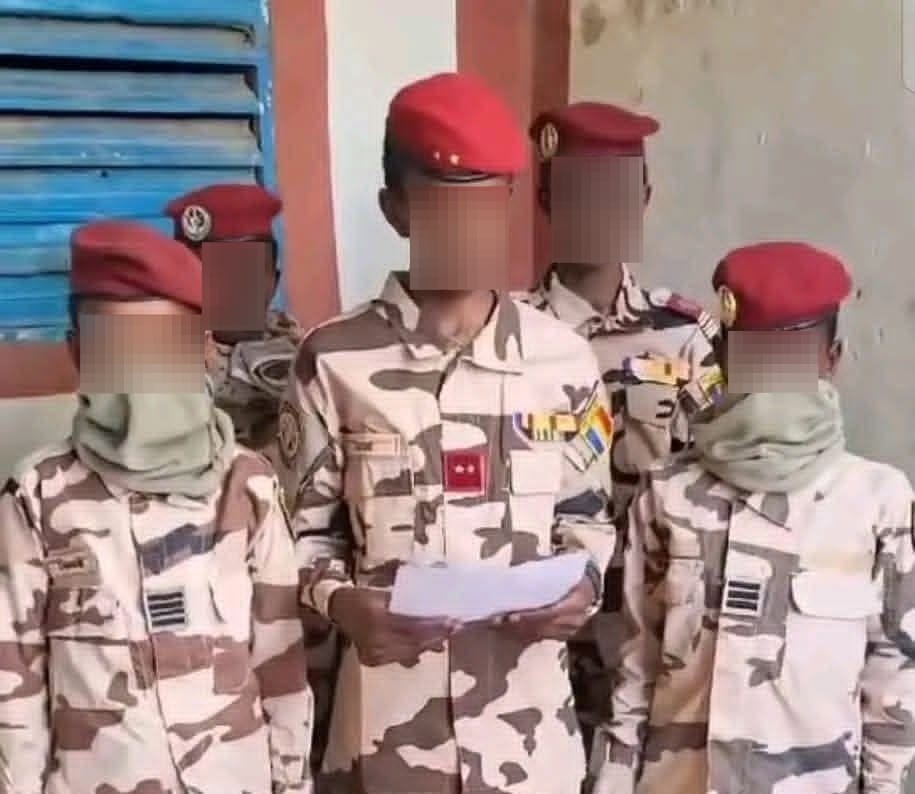
Chad minors in military uniforms: public backlash grows as N’Djamena prosecutors widen probe into adult handlers
The viral clip of five children in army fatigues criticizing state institutions has triggered a nationwide debate on youth protection and digital accountability, while the N’Djamena prosecutor’s office signals that adult recruiters may soon face charges.
Viral video triggers immediate judicial response and public outcry
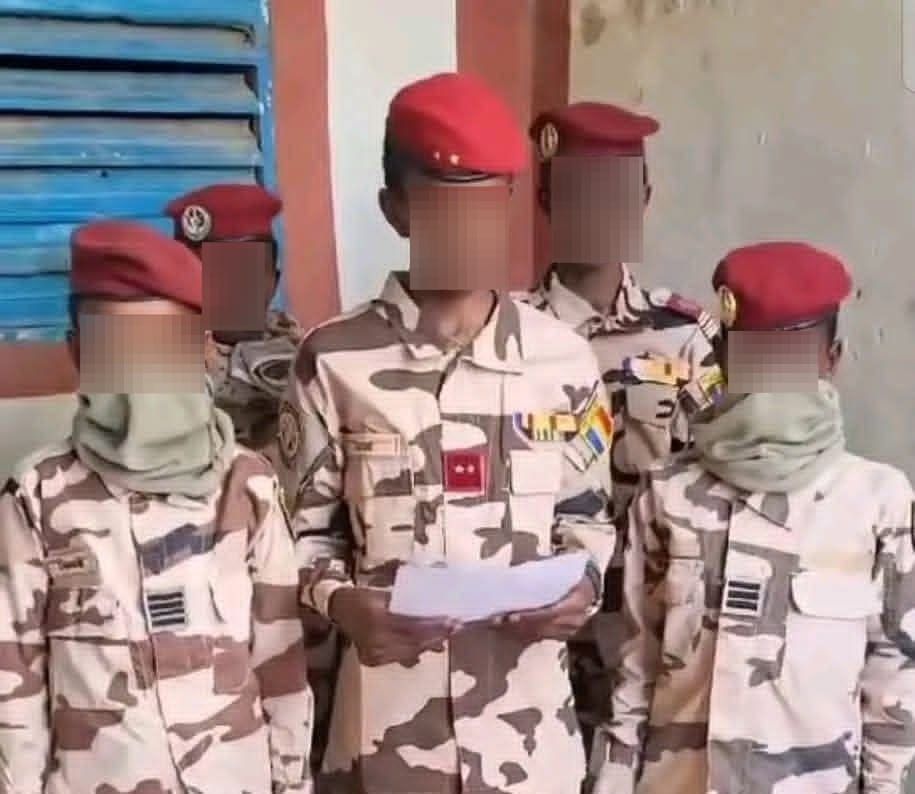
The circulation of a social media clip showing five minors dressed in military-style uniforms and voicing sharp criticism of the head of state and state institutions has ignited widespread reactions across Chad. In response, the N’Djamena Court of First Instance prosecutor’s office issued a detailed statement clarifying the status of the case and the legal steps taken so far.
Legal handling of the minors: protection versus accountability
The five children were taken into custody by judicial police officers in the presence of their parents and subsequently questioned in line with juvenile justice procedures. The prosecutor’s office stressed that the investigation remains active and that all gathered evidence must be assessed objectively, with full respect for the presumption of innocence and due process.
While reaffirming that minors are entitled to special protection under the law, the judicial authority made clear this does not automatically exempt them from potential responsibility. The approach seeks to strike a balance between education, rehabilitation, and the need to maintain public order.
Call for media restraint and protection of minors’ identity
Media outlets and social media users were explicitly urged to safeguard the anonymity and dignity of the minors by refraining from sharing any content that could lead to their identification. The statement underscored that public debate must not come at the expense of the children’s privacy.
Investigation shifts toward possible adult involvement
The probe is now focusing on whether adults may have organized, encouraged, or exploited these young people. The prosecutor’s office issued a stern warning against any instrumentalization of youth and reiterated that social media platforms are not exempt from the law. The case has reignited national discussions about the supervision of minors and the use of digital platforms.
You may also like
After Mali’s 66th independence parade, a regional debate takes shape
Gabon’s fisheries renegotiation with the EU: what the fallout means for the next deal
Oumar’s shooting in Cameroon: the aftermath, the debate, and what lies ahead
Benin’s civil protection agency gets OIM boost: how the fallout could reshape emergency response
Senegal’s BRVM listing: what the market is saying and what happens next