Gabon’s diplomatic push: from promises to action after Oligui Nguema’s Africa tour
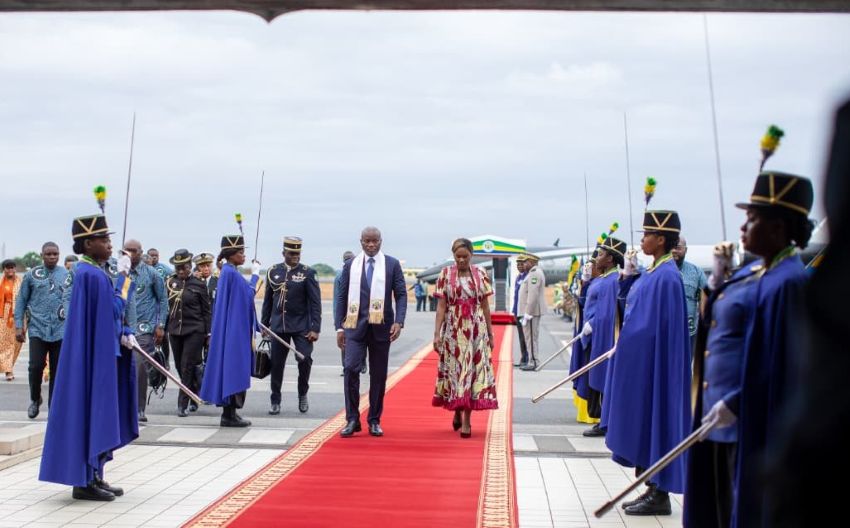
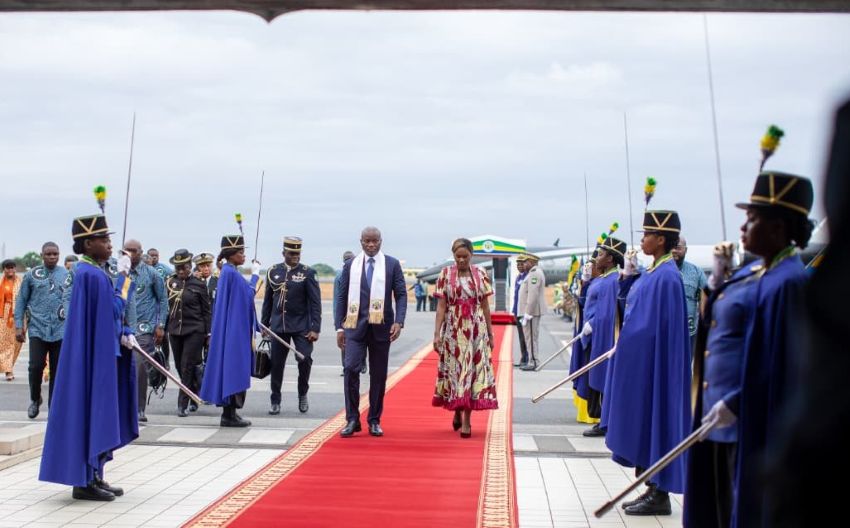
Libreville, Saturday, August 8, 2026 — From July 27 to August 7, Brice Clotaire Oligui Nguema’s African tour was far more than a customary diplomatic gesture. Upon his return to Libreville yesterday, the Gabonese leader initiated a phase where results matter more than rhetoric.
While handshakes and agreements made headlines, the true test now lies in execution. The success of this tour will not be measured by the number of meetings held, but by the tangible outcomes: investments flowing into the country, new infrastructure projects, job creation, and expanded trade opportunities for Gabonese businesses.
Diplomacy with a purpose: turning partnerships into progress
The tour was packed with high-level political exchanges and deep dives into critical sectors like infrastructure, energy, agriculture, vocational training, trade, and investment. This shift signals a pivotal change in Gabonese foreign policy. No longer confined to symbolic representation, diplomacy must now serve as a catalyst for economic transformation.
The visit to Abidjan underscored this new approach. President Oligui Nguema toured industrial and urban developments, inspected key infrastructure, and engaged with economic actors poised to invest in Gabon. Discussions with major firms like NSIA and Aurion Capital highlighted energy and investment as central themes.
This strategy is politically astute. As Gabon seeks to diversify its economy and maximize its resources, diplomacy cannot exist in a vacuum. It must actively attract capital, technology, expertise, and markets. The tour reinforced state-to-state ties while positioning Gabon as a prime investment destination.
From solidarity to shared prosperity: Gabon’s continental vision
The president’s message during the tour emphasized Gabon’s role in Africa’s economic integration. Libreville aims to deepen partnerships across the continent, fostering a model of interdependence where mutual economic interests drive collaboration.
Abidjan served as a case study in this vision. The Ivorian capital demonstrates how aggressive infrastructure development, industrialization, and private sector mobilization can reshape a nation’s economic influence. By examining factories, major projects, mobility systems, and urban planning, Oligui Nguema wasn’t just fulfilling protocol—he was gathering blueprints for Gabon’s future.
The growing ties between Libreville and Abidjan reflect this broader shift. Cooperation is evolving beyond state diplomacy into a platform for learning, financing, industrial partnerships, and skills transfer.
The same principles apply to other agreements forged during the tour. Progress in agriculture, energy, infrastructure, and training hinges on moving from political pledges to real-world implementation. The hard work begins now.
The moment of truth: delivering on promises
The president’s return to Libreville marks the start of an accountability phase. Effective diplomacy isn’t judged by the agreements signed but by the concrete outcomes they produce. Will investments materialize? How many jobs will be created? Which projects will break ground? What technologies will be transferred? Which new markets will open for Gabonese enterprises?
This is where Gabon’s leadership will face its greatest scrutiny. The tour elevated the country’s diplomatic profile and opened doors, but ambitious foreign policy only translates into development when it impacts people’s daily lives.
The white sash bearing Gabon’s coat of arms, worn throughout the trip, symbolizes the blend of national pride and continental engagement. But symbols alone won’t suffice.
The next chapter may measure success not by miles traveled, but by projects completed. Gabon now has a diplomatic window to attract partners, negotiate investments, and adapt lessons from Africa’s success stories. The challenge is clear: to transform diplomacy from a showcase into an engine of economic growth.
The gauntlet has been thrown. Can Gabon turn its diplomatic momentum into a driver of sustainable development?
You may also like
Ivory Coast’s refusal of US deportee deal: what it means for West Africa’s economy and sovereignty
Senegal’s 2026 budget: what a Sonko blockade would mean for households and businesses
Nourane Foster’s PCRN resignation: what it means for Cameroon’s voters and 2027 race
Senegal’s electoral reform debate: what the fallout from Khalidou dit Mbaye Sokoma’s plan means for the country’s next steps
Senegal: how Sonko’s playful jab at Sadio Mané over 2029 is reshaping the political conversation