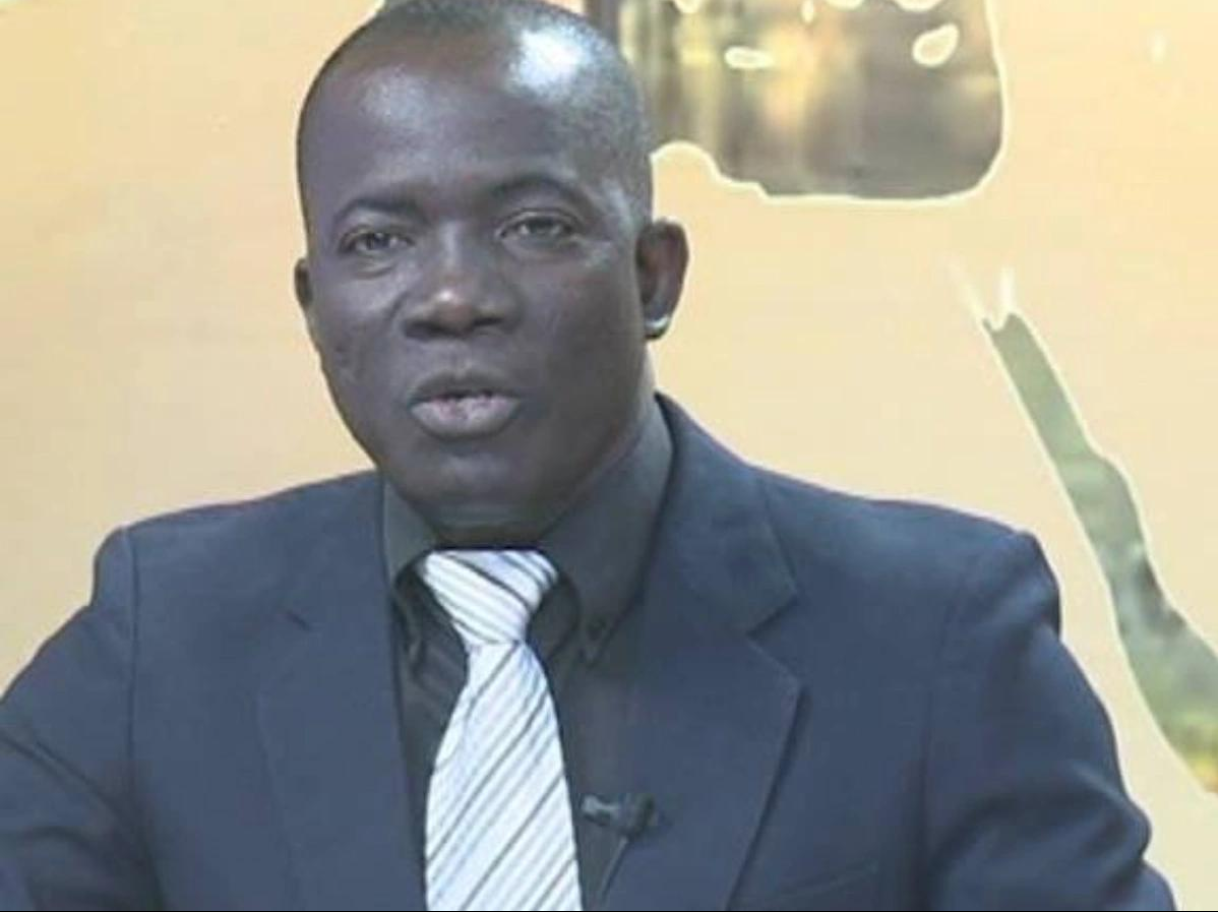
In a dramatic turn of events, Niger faced a critical test of its commitment to press freedom this week. After spending more than two years behind bars on charges of undermining state security, journalist Serge Mathurin Adou walked free. His release on November 11, 2026, offers a fleeting moment of relief for a profession braced for collapse.
The circumstances surrounding his detention—marked by secretive procedures and politically charged allegations—raise pressing questions about the future of journalism in a nation under military rule. While Adou’s freedom is undeniably a victory, it arrives amid a broader crackdown that threatens the very foundations of media independence in Niger.
From detention to freedom: what led to Serge Mathurin Adou’s release?
The journalist’s ordeal began with a routine police summons. On September 1, 2024, Adou informed his wife he was required to report to judicial police in Niamey. He never returned. Weeks of silence followed, leaving his family in agonizing uncertainty.
Weeks later, his name surfaced thousands of kilometers away. On September 23, 2024, Burkina Faso’s Minister of Security, Mahamadou Sana, named Adou among fifteen individuals allegedly involved in a plot to destabilize Burkina Faso’s military-led government. The accusation sent shockwaves through the region, though no concrete evidence was provided to connect Adou to actual acts of subversion.
In Niamey, authorities wasted no time. Just two months later, on November 11, 2024, Adou was formally charged with state security offenses. By November 21, 2025, he was sentenced to two years in prison—far short of the twenty-year penalty prosecutors had demanded. His eventual release marks the end of a harrowing chapter, but not the resolution of broader concerns about due process and media intimidation.
The Sahel’s shifting landscape: how military rule reshaped Niger’s media
Adou’s case did not occur in isolation. It reflects a deliberate strategy to suppress critical journalism since the July 26, 2023 coup that brought General Abdourahamane Tiani to power. The military takeover triggered a domino effect across the country’s media ecosystem, transforming it into one of the most restrictive environments for journalists in West Africa.
International observers have documented a systematic pattern of repression: arrests on spurious grounds, forced suspensions of media outlets, and a culture of self-censorship enforced through fear. In May 2024, one major human rights organization issued a statement warning that journalists covering sensitive security issues were facing escalating risks—including arbitrary detention and forced exile.
Among the most visible victims of this climate are reporters like Samira Sabou, Ousmane Toudou, and Soumana Maïga, all of whom have faced legal harassment or imprisonment. Their cases have not only silenced individual voices but have cast a chill over entire newsrooms, where editors now hesitate before assigning stories on defense, politics, or governance.
Institutional assaults on press freedom: the banning of RFI, France 24, and others
The crackdown extended beyond individuals. In January 2024, the government suspended the Maison de la presse—a vital professional body representing journalists and media organizations. That same month, several international broadcasters, including RFI and France 24, were barred from operating in Niger. The BBC later joined the list, further isolating the country’s audiences from diverse viewpoints.
These moves were not isolated incidents but part of a coordinated policy. By targeting both domestic and foreign media, authorities sought to control the narrative and eliminate alternative sources of information—especially on issues tied to national security and political dissent.
For a nation already grappling with insurgency and regional instability, this strategy risks deepening public mistrust and undermining democratic accountability.
From 83rd to 120th: Niger’s plummeting press freedom ranking
The deteriorating conditions have not gone unnoticed by global monitors. Reporters Without Borders (RSF) ranks countries annually based on press freedom. In 2025, Niger stood at 83rd out of 180 nations. By 2026, it had plummeted to 120th—a drop of 37 places in a single year.
RSF explicitly links this decline to the 2023 coup, citing “a sharp increase in violations against journalists, economic strangulation of independent media, and systematic judicial harassment.” The data reflects a reality where reporters operate under constant threat—not only of arrest but of financial ruin, as advertising dries up and state-controlled media dominate the airwaves.
This ranking is more than a statistic. It signals a fundamental erosion of the social contract between the state and its citizens: the right to know, to question, and to hold power to account.
A fragile freedom: why Adou’s release doesn’t signal change
Serge Mathurin Adou is home. His family’s joy is understandable. But to view his liberation as a sign of healing would be dangerously premature. For every journalist released, others remain detained. For every outlet permitted to broadcast, two more have been silenced. For every investigative report published, a dozen have been shelved out of fear.
The Sahel region stands at a crossroads. The threat of terrorism and political instability cannot be ignored. Yet the response—more censorship, less transparency—only weakens the institutions meant to protect the public and preserve democracy.
International law is clear: national security does not justify the suppression of free expression. Journalists are not enemies. They are essential witnesses to history, truth-tellers in times of crisis, and guardians of democracy. When they are silenced, society loses its most powerful tool for accountability and reform.
The road ahead: can Niger’s press recover its voice?
The path forward demands urgent action on multiple fronts. First, authorities must end the use of state security laws to silence critics. Second, media organizations must be granted operational independence, free from political interference. Third, legal protections for journalists must be strengthened, with transparent trials and robust due process.
Above all, public awareness and international solidarity will be vital. Citizens must demand the right to truthful information. Civil society must hold leaders accountable. And regional bodies must insist that stability and press freedom are not mutually exclusive—but complementary pillars of a resilient democracy.
Serge Mathurin Adou’s freedom is a step in the right direction. But it is only that: a single step. The real test will be whether Niger can reverse its descent into repression—or whether the world will accept the normalization of silence as the new normal in the Sahel.