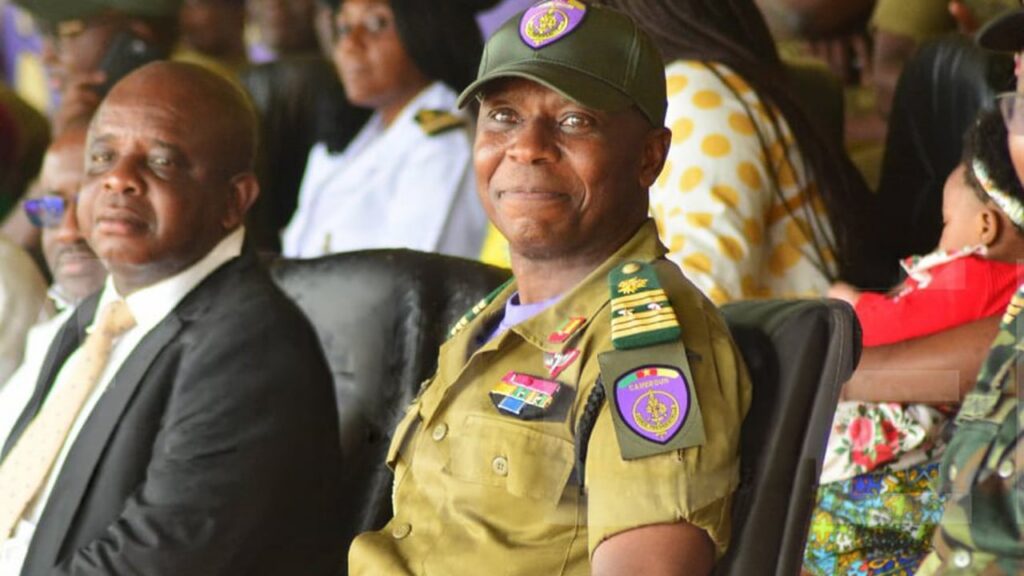

A significant restructuring unfolds within Cameroon’s armed forces as top leadership positions undergo sweeping changes.
Cameroon’s latest military reshuffle: a closer look at the key changes
President Paul Biya has signed off on a major overhaul of Cameroon’s military command structure, reshaping the leadership landscape at the highest levels. The sweeping adjustments, announced on August 3, 2026, reflect a strategic realignment within the nation’s defence apparatus.
The most notable promotion involves Raymond Jean Charles Beko’o Abondo, who has been elevated to the rank of brigadier general and appointed to lead the presidential guard. This move underscores the government’s emphasis on bolstering security around key state institutions.
Why these military changes matter
Military reorganisations in Cameroon often signal broader shifts in national security policy and leadership priorities. These adjustments are designed to enhance operational efficiency and reinforce command cohesion across the armed forces.
The timing of this reshuffle suggests a response to evolving security dynamics, both domestically and in the wider Central African region. Strengthening the presidential guard, in particular, highlights the government’s commitment to safeguarding critical government functions.
What to watch next
The ripple effects of these appointments will likely extend beyond the defence ministry. Observers anticipate further adjustments in regional military commands and strategic deployments in the coming weeks.
The promotions also raise questions about future leadership trajectories within the Cameroonian military, particularly among mid-ranking officers who may now see accelerated career progression opportunities.
Impact on regional security cooperation
Cameroon’s military realignment could influence collaborative security efforts with neighbouring nations. Enhanced coordination in counter-terrorism and border security remains a priority as regional threats continue to evolve.
These strategic shifts may also shape Cameroon’s role in African Union peacekeeping initiatives and multinational military exercises scheduled for late 2026.
You may also like
Niger’s August mutiny: the fallout, the unanswered questions, and what lies ahead
What Benin’s AirBadminton gold over Mauritius really changes for the sport
Benin’s CCI budget for 2027 sparks debate: what the 6.6 billion FCFA plan means for businesses
Bambali agro park: what the launch means for Sédhiou and Senegal
Senegal’s palm oil deal with Indonesia: reactions, debate and what happens next