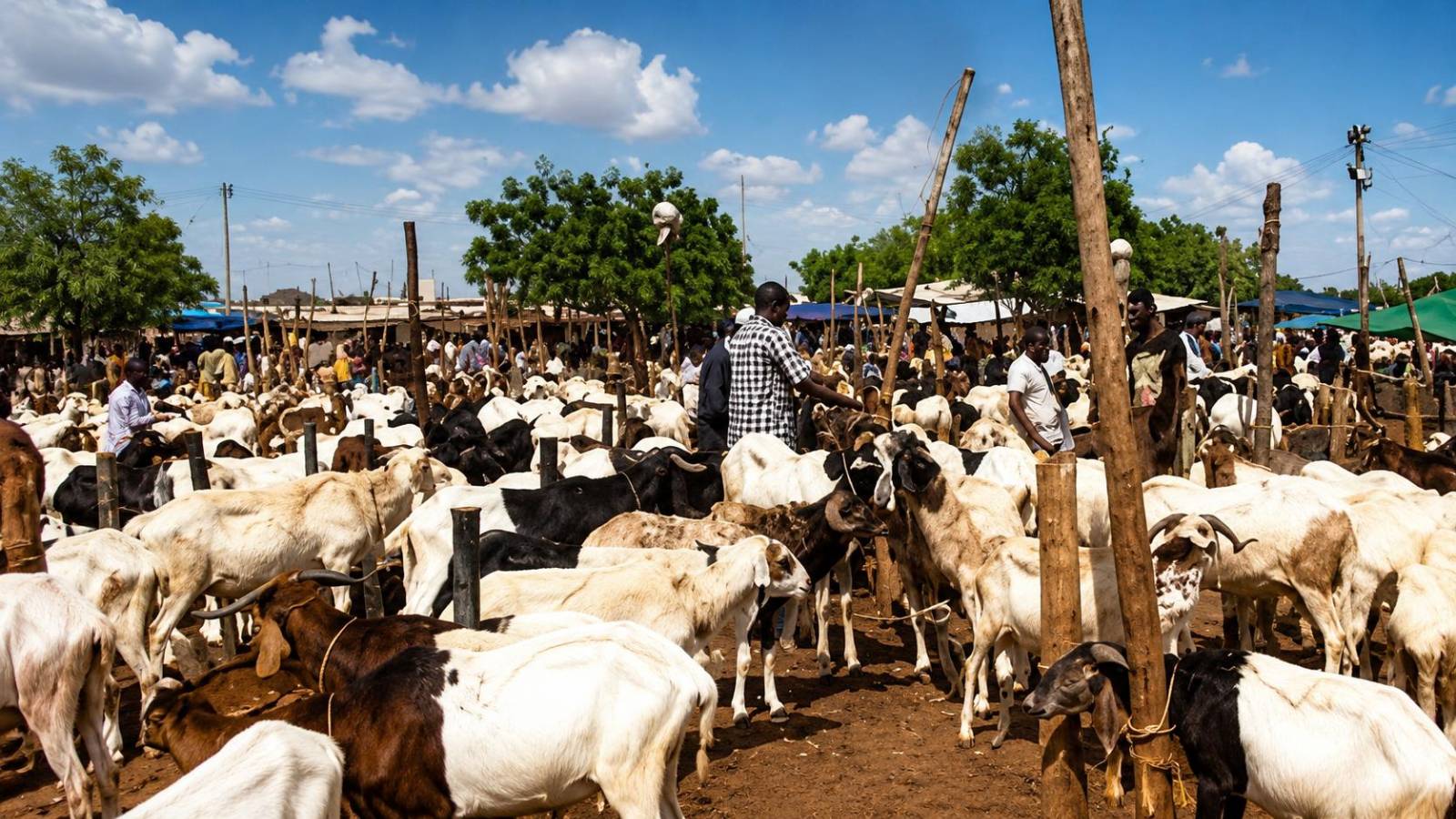
In a bold move preceding the Tabaski celebrations, the government of Burkina Faso has imposed a ban on cattle exports. This decision signals a clear priority: safeguarding the local consumer’s plate over adherence to regional market dynamics. While the social intentions behind this policy may seem commendable, it masks significant contradictions and presents a double-edged sword of economic risks.
The paradox of purchasing power: urban relief, rural strain
This measure’s primary contradiction lies in its disparate impact. Designed to appease urban consumers, particularly civil servants and city families in Ouagadougou, the government aims to force down the price of sheep. However, this comes at a considerable cost to rural livestock breeders.
These producers already contend with severe insecurity, rampant cattle theft, and dwindling pastures exacerbated by the ongoing security crisis. By denying them access to lucrative export markets like Côte d’Ivoire and Bénin, where they typically secure higher profits, the state effectively diminishes the income of an already vulnerable rural population. In essence, the policy appears to subsidize urban festivities by further impoverishing the countryside.
The myth of the domestic market: can Burkina Faso consume it all?
The underlying premise is straightforward: block borders to flood the national market. Yet, the Burkinabè market has inherent limitations. Tabaski is a specific, time-bound event. The critical question remains: what will become of the surplus animals once the festivities conclude?
Livestock represents a living commodity, incurring daily feeding costs. If breeders struggle to find buyers within Burkina Faso, or are compelled to sell their animals at a loss, the entire sector faces the prospect of financial suffocation within months. While the state’s long-term vision of local meat processing through modern abattoirs is strategically sound, current infrastructure is not yet equipped to absorb such an immediate, massive volume.
Geopolitical ramifications: widening rifts with coastal nations
This policy underscores Burkina Faso’s willingness to diverge from regional economic solidarities in pursuit of national sovereignty. By cutting off its cattle supply to key partners such as Côte d’Ivoire and Bénin, Ouagadougou is effectively leveraging its livestock as an instrument of economic pressure.
However, trade operates as a reciprocal exchange. Should Burkina Faso restrict its exports, it inevitably prompts its neighbors to seek alternative supply chains. Côte d’Ivoire, for instance, is already exploring options with Mauritania. In the long run, Burkina Faso risks permanently losing access to these historically valuable markets. Furthermore, this situation highlights the fragility of regional integration, where the immediate pursuit of self-sufficiency appears to supersede established West African trade agreements. From a macroeconomic standpoint, this is an exceptionally risky gamble, potentially weakening breeders, jeopardizing the future of the livestock sector, and further isolating the nation from its natural economic partners.