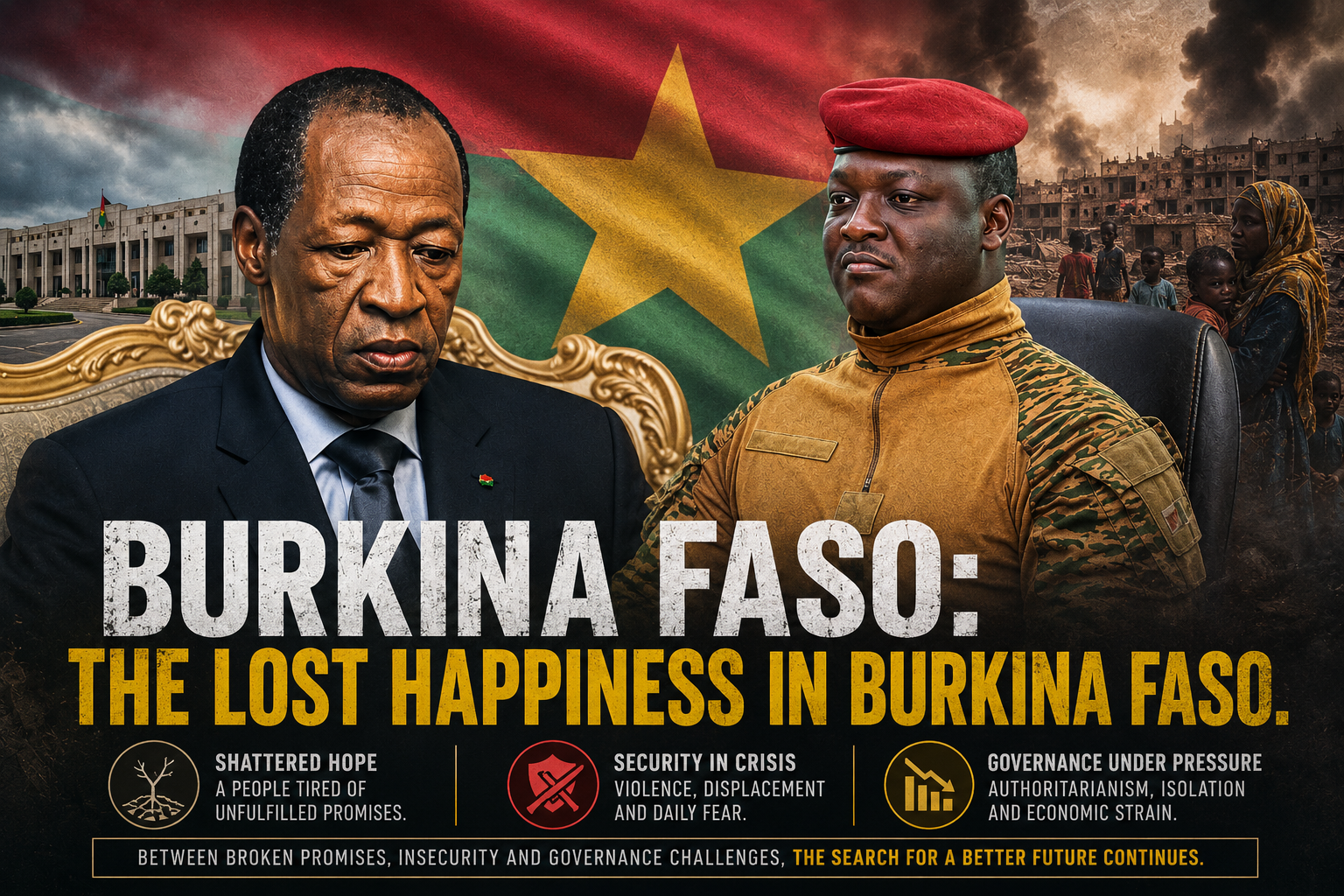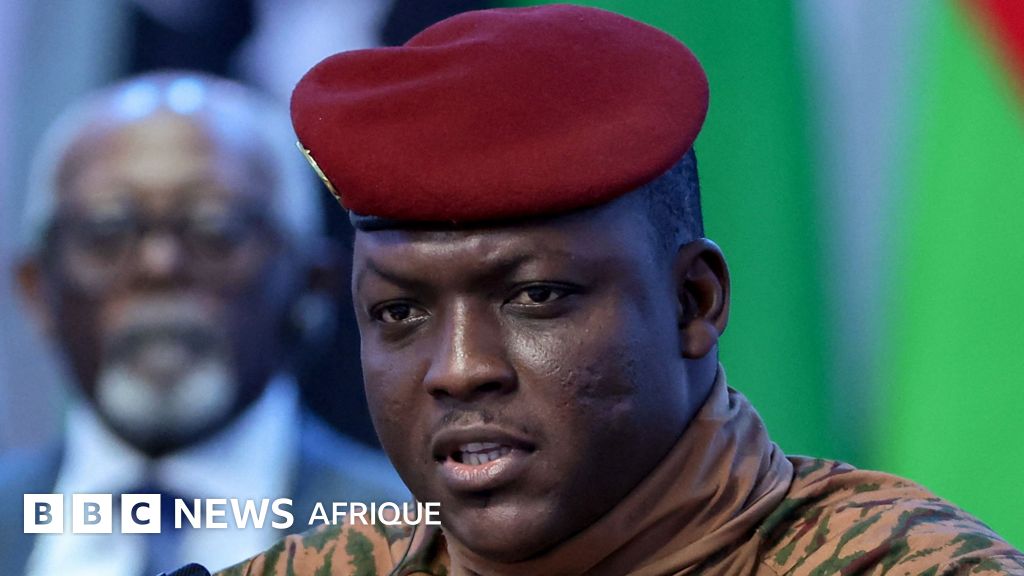
Military ruler Ibrahim Traoré claims democracy is ‘not for us’
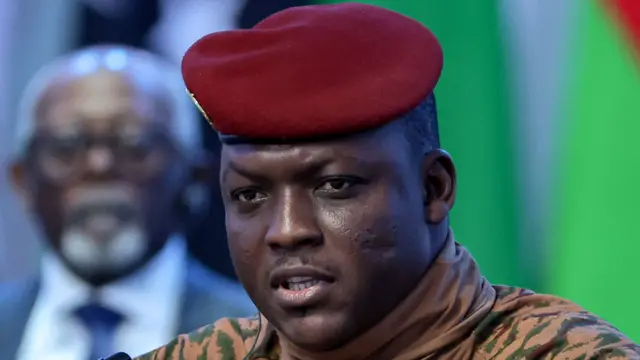
The military leader of Burkina Faso has declared that the country should abandon democratic principles, calling democracy incompatible with the nation’s needs during a state television interview.
Captain Ibrahim Traoré, who seized power nearly three years ago, argued that most Africans do not support democratic systems and that Burkina Faso requires a distinct approach. This statement contradicts his earlier pledge to restore democratic governance by July 2024, which was abandoned when the junta extended its mandate by five years.
Ban on political parties and revolutionary vision
In January, authorities dissolved all political parties as part of a broader plan to rebuild the state. Traoré justified this move by describing parties as divisive forces that threaten the revolutionary project. “The truth is that in Africa — particularly in Burkina Faso — a real politician embodies every vice: a liar, a flatterer, a smooth talker,” he stated.
He emphasized that Burkina Faso would forge its own path, declaring, “We have our own approach. We’re not trying to copy anyone. We’re here to completely change how things are done.”
The leader outlined a new system based on sovereignty, patriotism, and revolutionary mobilization, with traditional leaders and grassroots structures playing key roles. He also stressed the importance of economic and military self-reliance, advocating for longer working hours to accelerate development.
Criticism of Western influence and shifting alliances
Traoré criticized Western powers, asserting, “Wherever they attempt to impose democracy, it always leads to bloodshed.” He cited Libya as an example, highlighting the country’s collapse into chaos after Western intervention.
Burkina Faso, along with neighboring Mali and Niger, has distanced itself from Western nations—particularly France—in its fight against Islamist militants. Instead, these countries have turned to Russia for military support, yet violence in the region continues unabated.
Human rights concerns and ongoing violence
Since Traoré’s rise to power in 2023, more than 1,800 civilians have been killed, according to a recent report. The document attributes two-thirds of these deaths to the military and allied militias, with the remainder linked to Islamist extremists.
The junta has faced accusations of suppressing dissent, targeting opposition figures, media outlets, and civil society groups. Critics have also alleged that opponents are sent to frontline positions in the fight against militants.
Despite these controversies, Traoré has gained significant support across Africa for his anti-Western rhetoric and panafricanist stance.