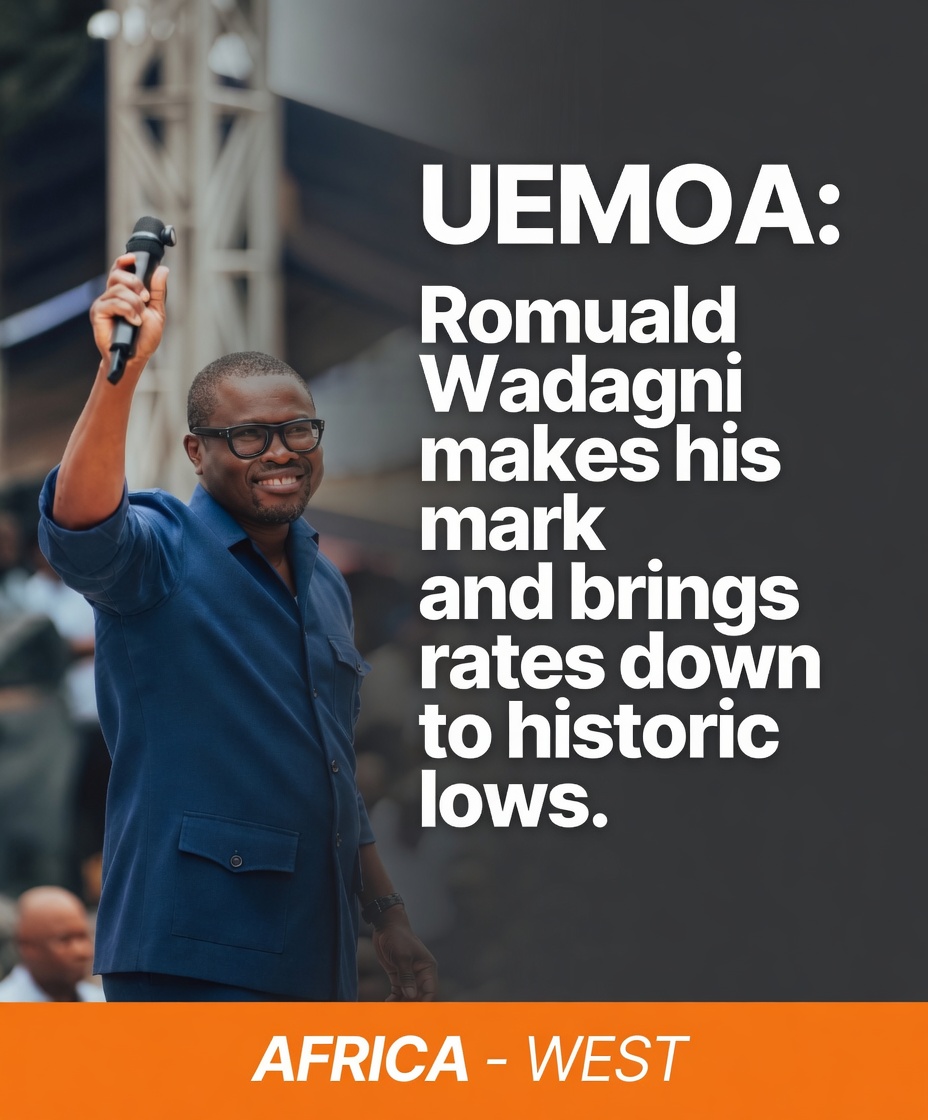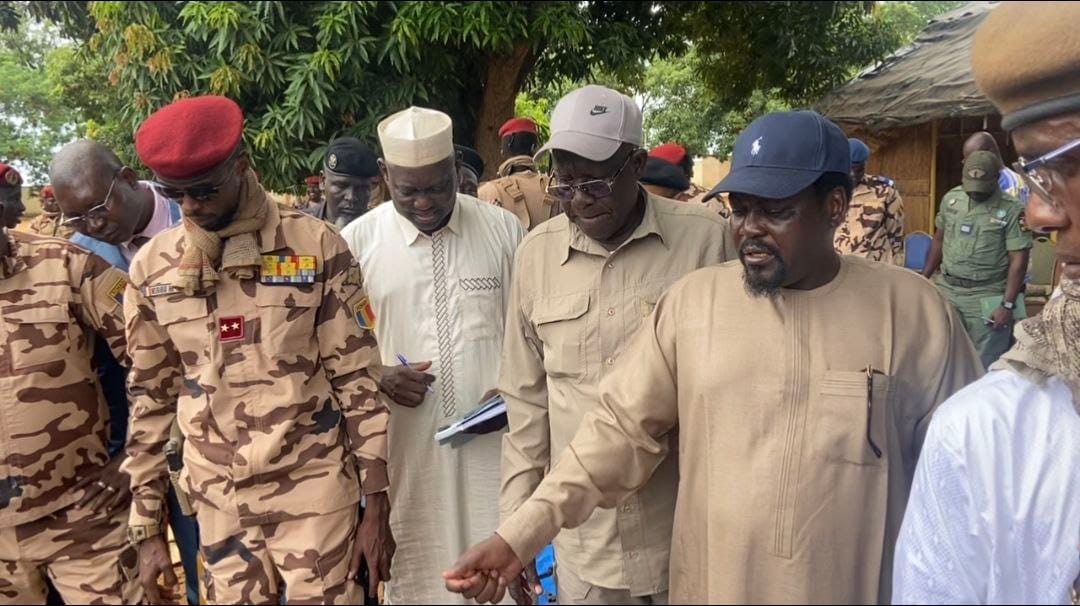
Cotonou has witnessed the unveiling of Benin’s first government under President Romuald Wadagni, sworn in on May 25, 2026. The 24-member team, unveiled immediately after his investiture, signals a deliberate preference for stability over radical change. Notably, several key portfolios remain in the hands of seasoned officials from the previous administration, underscoring Wadagni’s deep roots within the outgoing government—where he notably served as Minister of Economy and Finance.
Government reflects continuity with Patrice Talon’s legacy
The new cabinet’s composition reveals a strong thread of continuity with the Talon era. Multiple ministers retained their roles, reflecting a clear intent to safeguard macroeconomic progress achieved since 2016. Benin stands out in the UEMOA region for its robust growth trajectory, and Wadagni’s signature financial reforms on global markets represent a strategic asset the new administration is keen to preserve.
Wadagni’s technocratic background—having previously worked with Deloitte—shapes the team’s profile. Strategic portfolios such as Economy, Infrastructure, and Digital remain under trusted figures closely aligned with the previous administration. This continuity suggests that major initiatives launched under Talon, from the expansion of the Cotonou port to the development of special industrial zones and public service digitization, will continue under the same leadership.
Six women appointed, but no opposition voices included
Of the 24 ministerial positions, six are held by women, representing a 25% representation rate—consistent with West African averages and mirroring trends from the previous five-year term. However, none of these women have been assigned to sovereignty-related ministries, which remain exclusively under male leadership drawn from the president’s inner circle.
The most telling political signal lies elsewhere: despite public endorsements from several opposition figures during the campaign—who had hoped their support would translate into ministerial roles—none have been included in the final lineup. Wadagni’s decision to exclude opposition representation reflects a preference for consolidating power within the Beninese Republican Bloc and the Progressive Union for Renewal. This approach raises questions about the depth of political dialogue promised during the campaign, especially given the pre-election tensions surrounding opposition participation conditions.
Economic priorities preserved, political compromises delayed
The swift announcement of the cabinet, finalized within hours of the swearing-in, underscores meticulous advance planning. Wadagni’s early decisions reflect strategic foresight, enabling the administration to bypass the institutional drift often seen during leadership transitions in West Africa. With a fully operational government in place, the administration can now address pressing challenges without delay—from implementing IMF programs to securing northern borders amid growing jihadist pressure from the Sahel.
Yet, this continuity-focused team faces a critical test: convincing beyond the reassured economic circles. Benin’s social challenges—rising living costs, youth unemployment, and civil society engagement—demand more than technical solutions. The absence of political outreach could weigh heavily in the coming months, particularly as the administration prepares for upcoming local and legislative elections. The 2026 legislative calendar will serve as a critical gauge of the new executive’s ability to navigate a political landscape it has, for now, chosen to keep closed.