Niger’s human rights crisis deepens three years after military takeover
As Niger approaches the third anniversary of the July 26, 2023 coup d’état, international observers are raising alarm over a dramatic deterioration of the country’s human rights landscape under military rule.
Mounting repression and shrinking civic space
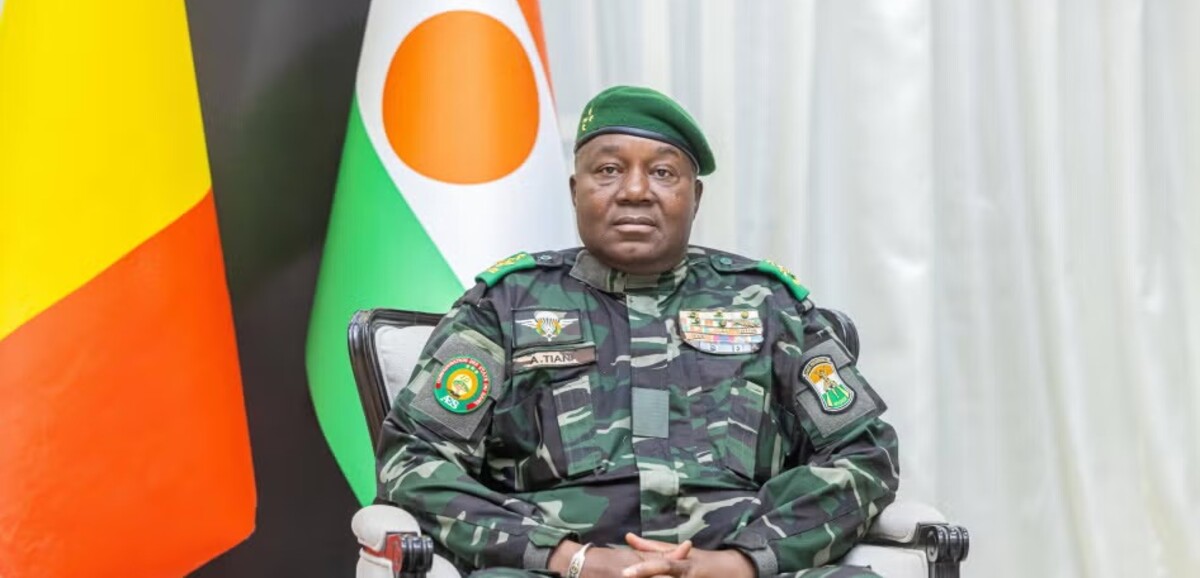
Human rights organizations report that since General Abdourahamane Tiani’s junta assumed power, Niger has seen systematic erosion of democratic institutions. The military leadership has progressively dismantled checks and balances, with authorities pointing to the dissolution of opposition parties, suspension of independent unions, and restrictions on civil society organizations as evidence of strengthened control.
Among the most concerning developments is the detention of journalists and the criminalization of homosexuality, which now carries sentences of up to two decades in prison. These measures have effectively narrowed the space for dissent and public debate in the country.
Uncertain transition amid worsening security
Human rights monitors also criticize the indefinite postponement of elections, with the junta announcing it may remain in power for at least five additional years without a clear transition roadmap. This political uncertainty coincides with a deteriorating security situation, as jihadist groups continue to destabilize the region.
Recent military operations have reportedly resulted in civilian casualties, including a January drone strike on a market that killed at least 17 people. The withdrawal from the International Criminal Court further compounds concerns, removing a key avenue for accountability in cases of alleged human rights violations.
International condemnation grows
The junta’s approach has drawn sharp criticism from human rights defenders who argue that the military government’s actions represent a clear departure from democratic norms. The situation has raised questions about Niger’s long-term stability and its commitment to protecting fundamental freedoms.