
Summarize
Diplomatic tensions resurface over Western Sahara
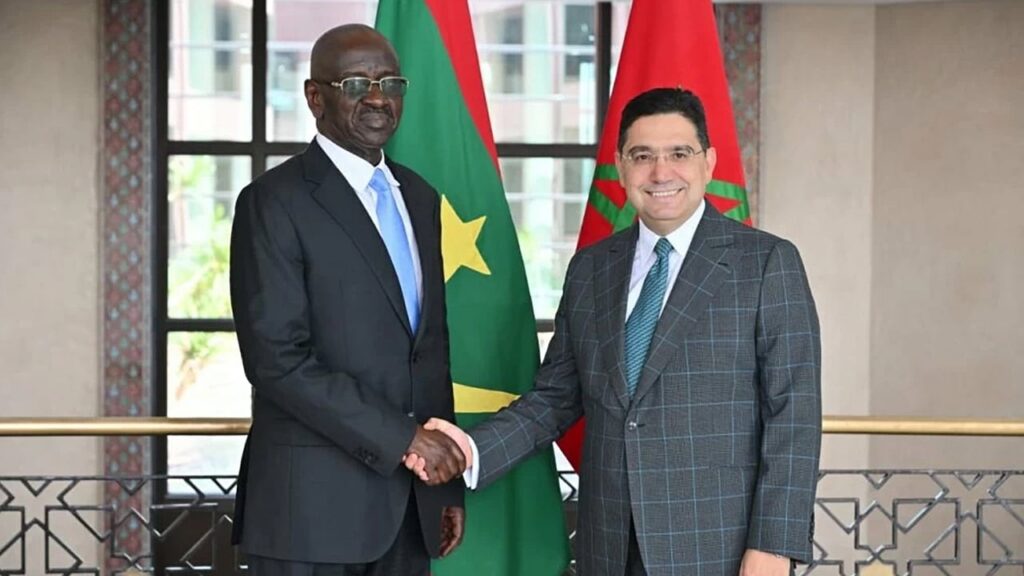
In a significant diplomatic development, high-level discussions between Morocco and Mauritania have reignited longstanding sensitivities regarding the Western Sahara conflict. The talks, held in Dakar, underscored the enduring complexities surrounding this decades-old dispute that continues to shape regional politics in West Africa.
Historical context of the dispute
The Western Sahara issue traces its roots back to the mid-1970s when Spain withdrew from the territory, leaving a power vacuum that Morocco swiftly moved to fill. Mauritania, historically entangled in the conflict due to geographical proximity, has maintained a delicate balancing act between its alliances and regional stability.
The Polisario Front, representing the Sahrawi Arab Democratic Republic, has long advocated for self-determination through armed struggle and international pressure. This stance has drawn support from Algeria, creating a geopolitical divide that has persisted for generations.
New diplomatic avenues in Dakar
The recent meeting in Dakar brought together key stakeholders from both Morocco and Mauritania, reflecting a renewed commitment to dialogue. While the discussions focused primarily on economic cooperation and security concerns, the underlying tensions regarding Western Sahara remained palpable.
Morocco, which claims sovereignty over Western Sahara, has invested heavily in infrastructure projects such as the Dakhla Atlantic Port and the Tiznit-Dakhla highway to bolster its position. Mauritania, caught between its historical ties to Morocco and its geographical proximity to Algeria-backed Polisario positions, faces a precarious diplomatic tightrope.
Regional implications and future prospects
The outcomes of these talks could have far-reaching consequences for West African diplomacy. Mauritania’s role remains particularly critical, as its stance could influence broader regional dynamics. The international community continues to monitor the situation closely, with many observers questioning whether these discussions will lead to substantive progress or merely serve as another chapter in the ongoing stalemate.
As the region navigates these complex diplomatic waters, the Western Sahara issue remains a litmus test for stability in North and West Africa. The decisions made in the coming months will likely shape the future of not only Morocco and Mauritania but also the broader Sahel region.
You may also like
After 600 Nigerians cross into Nwa, what happens next in Cameroon’s North West?
After Mali’s military defeats, a nation weighs what comes next
After the Classique: Marseille reels, Paris looks ahead, and the debate rages
Aftermath of Mbappé’s PSG move: how the Neymar effect still fuels debate
Reactions pour in after Abdoulaye Koné’s death: what Ivorians are saying and what comes next