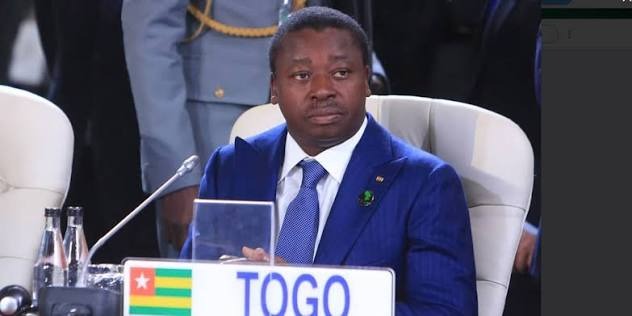
As the government in Lomé celebrates its transition to a customized Fifth Republic, a move largely viewed with skepticism by the majority of the populace, the nation’s economic reality appears increasingly grim. Amidst ongoing financial injections from international donors and the escalating impoverishment of households, the country’s economic governance record is generating profound unease.
In Togo, the official narrative of infrastructure modernization and macroeconomic stability is struggling to conceal an alarming social and financial truth. Within ministerial offices and among technical partners, a stark realization is emerging: financially, under President Faure Gnassingbé’s tenure, Togo has become a veritable bottomless pit.
Billions invested without tangible returns
For more than two decades, sub-regional development banks and international lenders have channeled hundreds of billions of CFA francs into a continuous stream of modernization projects. Yet, the tangible return on these substantial investments remains largely imperceptible within the local economic fabric.
While Lomé’s port facade is frequently showcased as the nation’s economic showpiece, its actual contributions to state revenues and the reduction of public debt fall significantly short of initial projections and promises.
- A burdensome debt: The cost of servicing Togo’s national debt continues to consume a disproportionate share of national resources, severely limiting the government’s capacity for productive investments.
- Overstated projects: A proliferation of infrastructure announcements has consistently failed to translate into sustainable job creation or concrete industrial development.
“Development partners persist in financing Lomé due to geopolitical and security imperatives, but strictly from a standpoint of financial rigor and effective public spending, the results are simply not there,” remarked an economist specializing in the region.
The widening social divide
While budgetary allocations seem to dissipate within the intricate machinery of state bureaucracy, the general population bears the full brunt of this management. Socially, the assessment is unequivocal: household purchasing power is diminishing day by day.
Persistent inflation, coupled with increasing tax pressure on the informal sector and a scarcity of opportunities, has severely eroded the financial capacity of Togolese citizens. From the bustling markets of Lomé to the most remote communities in the Savanes region, access to essential goods, basic healthcare, and electricity is fast becoming an unaffordable luxury for a growing segment of the population.
For many observers, the opportunistic shift to a parliamentary system and the restructuring of institutions are not aimed at fostering greater financial accountability. Instead, these changes are perceived as an effort to redistribute power within the ruling apparatus without addressing past management practices.
You may also like
Niger fallout: General Tiani’s coup regret and the fear that now grips the palace
Mali’s media fallout: Maliweb.net and the fight for truthful reporting
Cotonou’s savings push: what the fallout means for West Africa’s financial future
Benin–Spain cultural alliance: what the reaction tells us about what comes next
Niger: Tiani’s widening purge sparks debate over citizenship and loyalty