
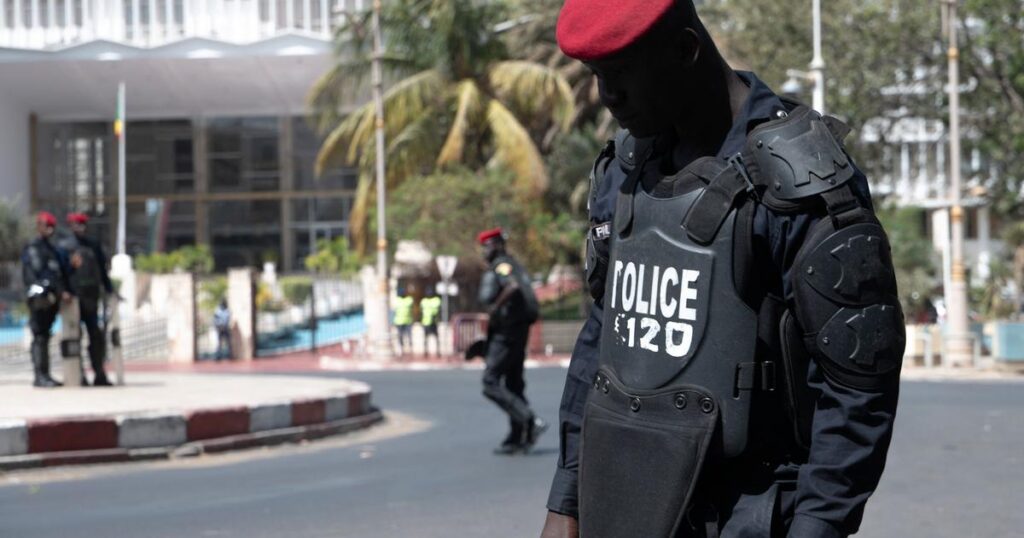
Amadou Bangoura will never forget that night. Around 10 PM, the 30-year-old Beninese student left his gym in the Liberté 6 district of Dakar, heading home as he did most evenings. The streets were nearly empty, shops had closed, and only the occasional vehicle lights cut through the darkness. Suddenly, a police patrol ordered him to stop. Two officers stepped out and demanded, ‘Your papers, please.’
intensified foreigner checks spark backlash
A sweeping campaign targeting West African nationals—primarily those from neighboring countries—has unfolded in Senegal’s capital and surrounding areas. The Directorate of Foreigners and Travel Documents launched these operations under the banner of ‘strengthening public safety,’ conducting 490 checks between June 30 and July 8. The result? 36 individuals were handed over to prosecutors for irregular stay violations.
For Bangoura, who has lived in Senegal for five years with valid residency papers, the experience left a lasting scar. ‘I kept wondering what might happen next,’ he admitted. His ordeal mirrors the growing unease among expatriates, who see this aggressive enforcement undermining the nation’s famed Teranga—a Wolof term meaning ‘hospitality.’
excessive demands and arbitrary detentions
Civil society leaders warn that the issue isn’t just the existence of migration policies but the creeping normalization of a ‘permanent climate of suspicion’ toward foreigners. In a July 13 statement, they condemned ‘disproportionate administrative demands,’ ‘arbitrary arrests,’ and ‘prolonged detentions.’
The crackdown coincides with Senegal’s recent assumption of the Economic Community of West African States (ECOWAS) presidency. Critics argue the timing sends mixed signals about the country’s commitment to regional unity and open borders.
Social media amplifies tensions, with hostile TikTok rhetoric targeting the Guinean community—who make up over 40% of foreign residents in Senegal—accusing them of stealing jobs from locals. These accusations echo xenophobic narratives recently amplified in South Africa.