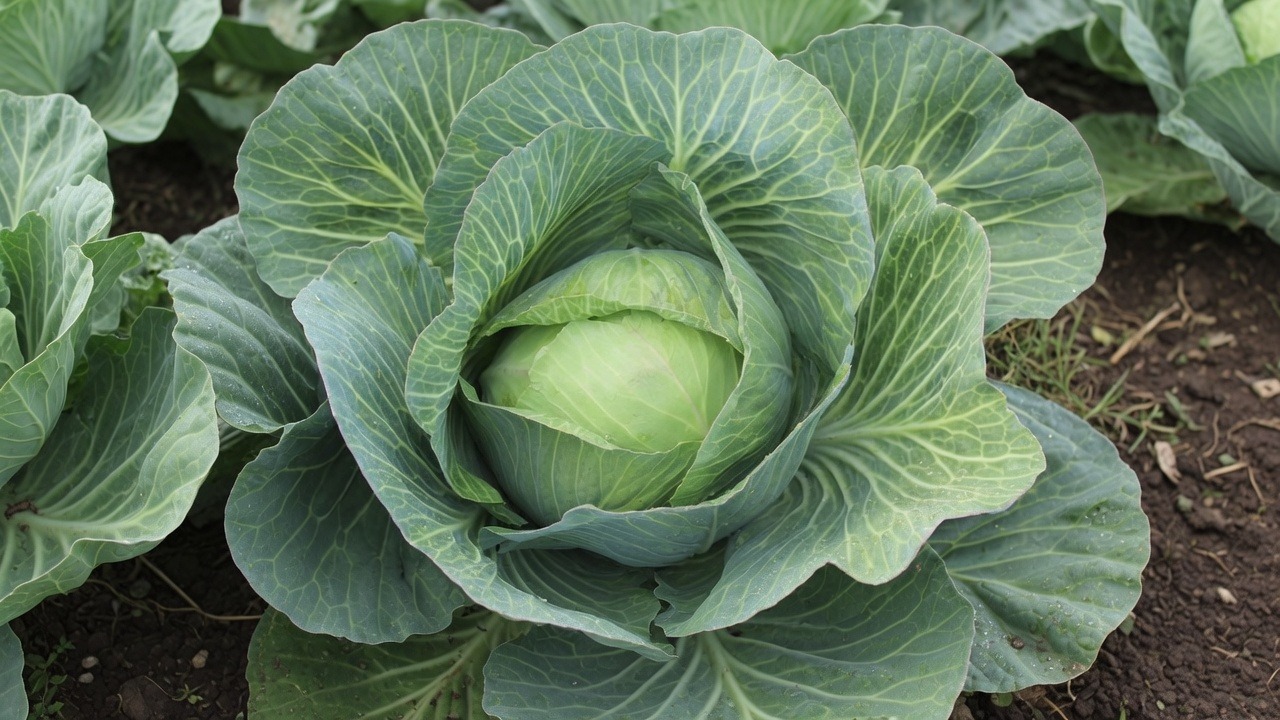
The second half of July 2026 in Niamey has brought a harsh reality for households: tomatoes and cabbage prices have skyrocketed, pushing many families into daily food insecurity. While seasonal transitions between local harvests and imports from neighboring countries like Bénin, Nigeria, and Ghana are expected, the severity of the price hike reveals deeper issues—not climate-related, but rooted in poor strategic planning and government inaction.
Why seasonal transitions turn into crises
Every year, Niger exports its surplus produce during the dry season, only to become entirely dependent on subregional harvests during the rainy season. This recurring vulnerability stems from critical gaps:
- Storage infrastructure deficit: Without adequate cold storage facilities, surplus local production from previous months cannot be preserved to stabilize supply year-round.
- Lack of local processing: The absence of industrial or semi-industrial processing units prevents the creation of buffer stocks, particularly for tomatoes.
- Limited off-season farming: National production remains too reliant on natural cycles instead of being bolstered by modern hydro-agricultural projects capable of year-round yields.
What should be a manageable logistical transition has instead become a purchasing power crisis due to a lack of long-term vision.
Government silence worsens the crisis
As inflation tightens its grip on low-income households, authorities have remained conspicuously silent. Wholesale price reports—such as 35,000 FCFA for a basket of Nigerian tomatoes or 25,000 FCFA for cabbage—have gone unaddressed, with no emergency measures taken to:
- Cap speculative margins in wholesale and retail markets.
- Introduce targeted subsidies to ease the burden on consumers.
- Publish a clear roadmap to prevent a repeat of this crisis next year.
The absence of official statements reinforces the perception of resignation toward cross-border market dynamics, leaving consumers to grapple with rising costs alone.
Avoiding dependence on imports
For Niger, reliance on imports is becoming an inevitability due to the government’s failure to implement a reliable plan for developing the vegetable sector. Urgent action is needed to move beyond short-term fixes and establish a robust agricultural policy that secures both production and supply.