A familiar narrative unfolds with almost mechanical regularity, tragically predictable. In Niamey, leadership shifts and faces change, yet the underlying methodology remains strikingly consistent.
When heavy gunfire and detonations once again shattered the night near the presidential palace and airbase in Niamey, the populace collectively held its breath, gripped by a painful sense of déjà vu. Whether these events stem from frustrated garrison mutinies or rivalries among the military elite, they are not mere accidents. Instead, they represent a direct symptom of the very architecture inherent in regimes born from coups d’état.
Nearly three years after the civilian government was overthrown in July 2023, the historical pattern remains unforgiving: leaders who ascend to power through military force are almost inevitably threatened or ultimately unseated by those same means.
This fatalistic outcome is rooted in precise structural and political factors that consistently lead to the exhaustion of military juntas:
The burden of a prolonged transition
Three years of transition is an eternity for a nation initially asked for a temporary sacrifice. As months turn into years, the initial public enthusiasm or tolerance gives way to a legitimate sense of exasperation. When an exceptional period stretches indefinitely, the absence of a clear democratic horizon transforms promises of national renewal into a mere exercise in power retention. This prolonged uncertainty impacts Niger politics and public sentiment.
The stark reality of security challenges
At the core of the justification for the coup in Niger was the pledge to “restore Niger security and dignity.” However, governance by decree does not magically erase realities on the ground. Despite sovereignist rhetoric and shifts in geopolitical alliances, when security promises fail to materialize and soldiers continue to fall on the front lines, the narrative loses its potency. Doubt begins to fester first within the ranks of the armed forces, then spreads throughout the streets of Niamey.
Force as the sole arbiter of succession
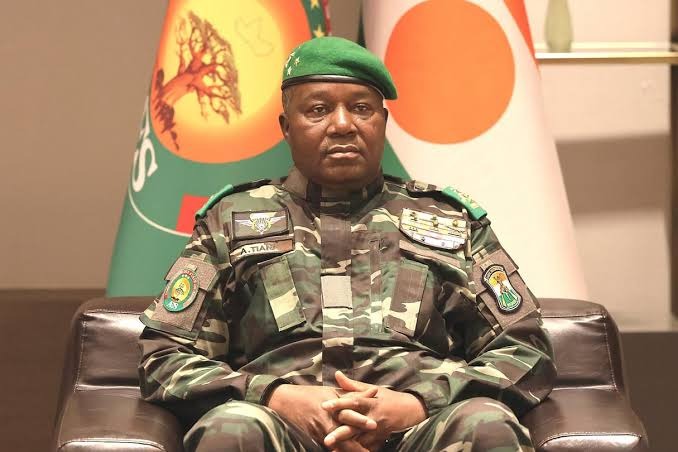
By dismantling a constitutional order, the CNSP military power effectively validates force as the only legitimate means to resolve political disputes. When General Tiani demonstrates that a rifle can secure the presidential seat, he inadvertently teaches the same lesson to colonels, captains, or rival factions within the armed forces. The military ceases to be a monolithic shield and transforms into a chessboard of internal rivalries. Official reports indicate that the events of August 28 were indeed a mutiny within the armed forces, contributing to the latest Niamey news today regarding instability.
From Seyni Kountché to Ibrahim Baré Maïnassara, and including Salou Djibo, the political annals of Niger consistently reveal that power established by bayonets inherently carries the seeds of its own challenge.
The recent gunfire near the seat of power is merely an echo of this immutable political law. Until legitimacy is firmly anchored in a republican and civil pact, power in Niamey will remain vulnerable to the slightest spark from the barracks. Because a weapon holds no eternal allegiance: the very instrument that installs a man in power today remains the same one that threatens to dislodge him tomorrow. This ongoing situation is a critical aspect of any Niger report.