
Niger faces worsening human rights crisis under military rule
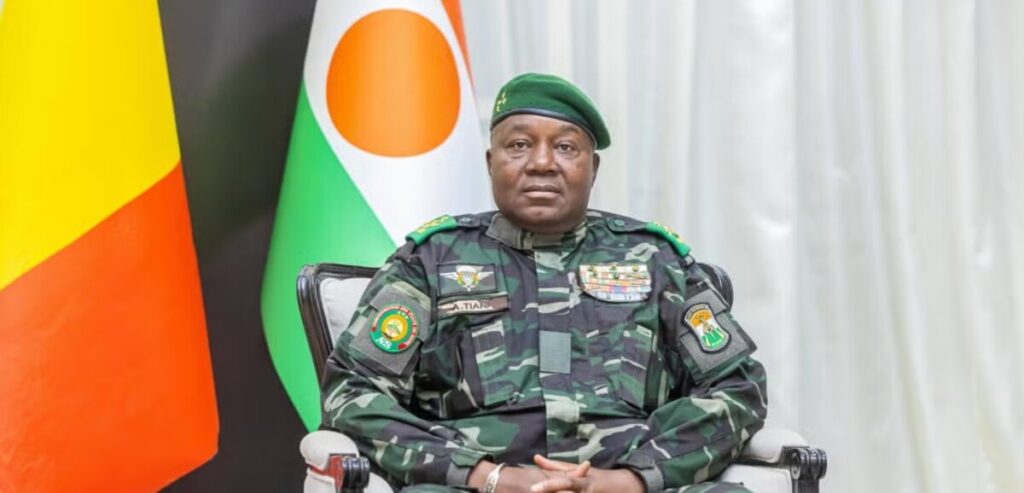
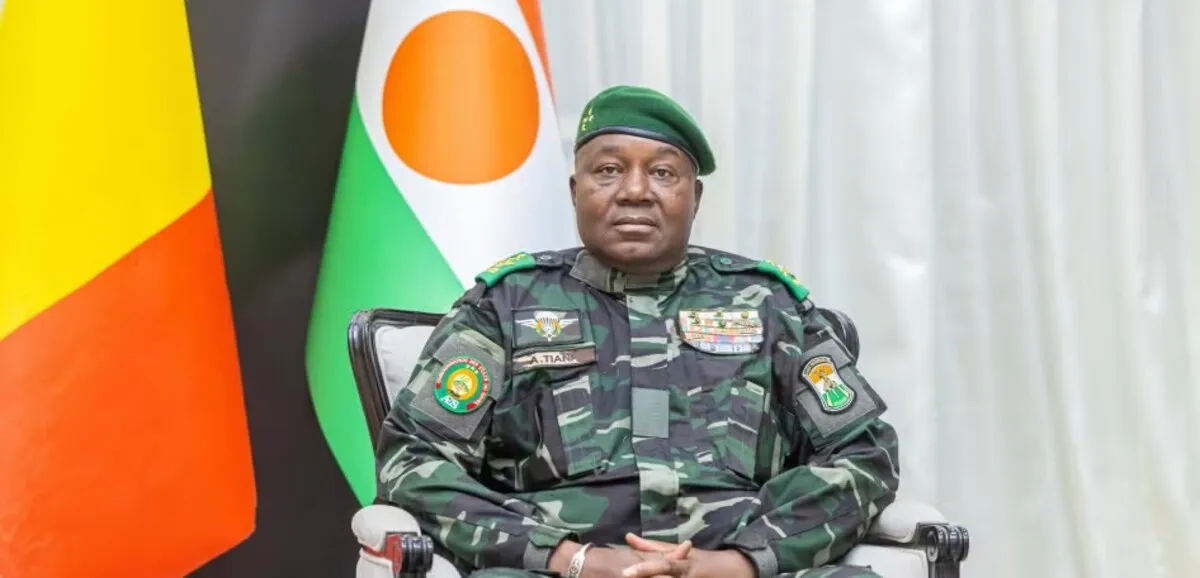
As Niger marks the third anniversary of the July 26, 2023 coup, a leading international watchdog has issued a stark warning about the escalating human rights crisis gripping the West African nation. Human Rights Watch has accused the military authorities, led by General Abdourahamane Tiani, of systematically dismantling democratic safeguards while intensifying repression across the country.
Military leadership tightens grip on power amid democratic erosion
In its latest assessment, Human Rights Watch documents a deliberate campaign to centralize authority while systematically eliminating checks and balances. The organization highlights the forced dissolution of opposition political parties and independent trade unions, alongside the suspension of numerous civil society organizations. Journalists critical of the regime have faced arbitrary detention, while the military government has expanded legal restrictions targeting vulnerable groups, including the criminalization of same-sex relationships.
Transition timeline shrouded in uncertainty as security deteriorates
The watchdog also condemns the indefinite postponement of elections, with authorities suggesting the current military leadership may remain in power for at least five more years. This prolonged transition coincides with a sharp decline in regional security, as Niger grapples with relentless attacks by armed groups. Human Rights Watch points to recent counterinsurgency operations that have resulted in civilian casualties, including a January drone strike on a bustling market that left at least 17 people dead.
The withdrawal of Niger from the International Criminal Court further compounds concerns about accountability. Analysts warn that this decision significantly weakens the prospects for justice, leaving victims of alleged human rights abuses without recourse to international legal mechanisms.
Crackdown on dissent and erosion of civic freedoms
- Mass suspension of independent NGOs and civil society organizations
- Targeted detentions of journalists and political opponents
- Expansion of laws restricting fundamental freedoms
- Militarization of governance structures
- Reduced judicial oversight of state actions
You may also like
-
Three years after Niger’s coup: shrinking freedoms and rising repression
-
Senegal touba declares ousmane sonko unwelcome amid rising tensions
-
Niger facing deepening human rights crisis under military rule
-
Russian troops in Togo raise strategic questions in west africa
-
Burkina Faso’s Ibrahim Traoré grapples with the solitude of power