Human-centered reforms and democratic resilience at Bénin conference
The Institute of Justice and Peace Artisans (IAJP) convened religious leaders, political figures, and prominent guests in Cotonou on July 23, 2026, for a pivotal social conference centered on “Rule of Law and Political Alternation in Africa: A Critical Pillar for Stability and Growth.”
Conference highlights
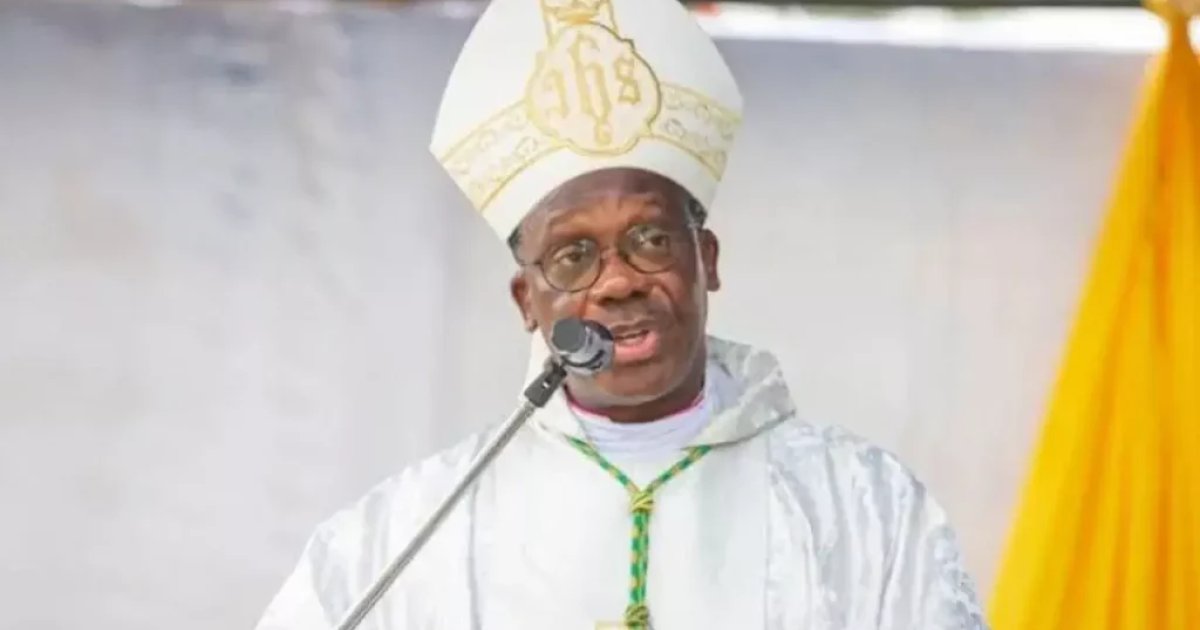
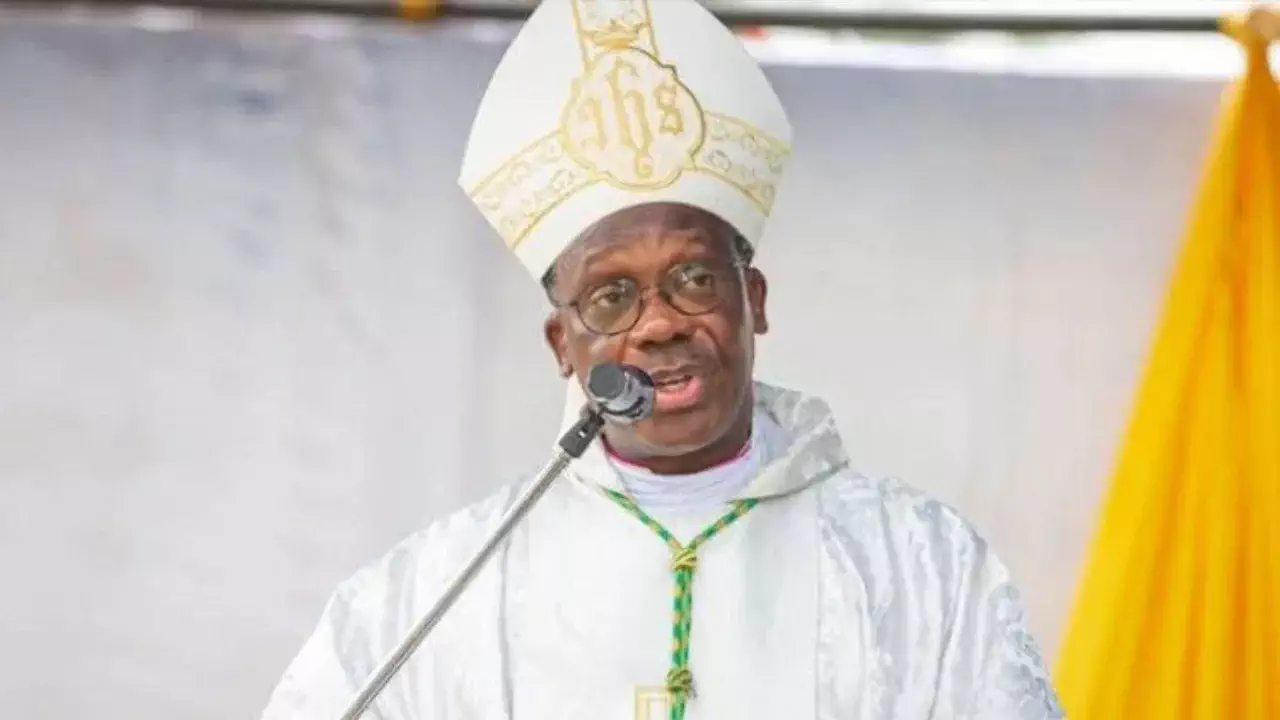
Archbishop Roger Houngbédji of Cotonou and President of the Bénin Episcopal Conference delivered the keynote address, emphasizing that sustainable progress in Africa hinges on robust institutions as much as economic resources. He urged African nations to strengthen the rule of law, deepen governance transparency, and ensure fully independent judicial systems to lay the groundwork for lasting growth.
Bénin’s reforms: Progress and lingering freedom challenges
The Archbishop drew on Bénin’s recent experience to illustrate his points. He praised the country’s notable steps forward, including the establishment of the Commercial Court, updates to business legislation, and the creation of the Court for Economic and Terrorism Offenses (Criet). These measures have significantly improved Bénin’s standing in international rankings.
However, he cautioned that critical challenges remain. Some reforms continue to face scrutiny regarding public freedoms, judicial independence, and democratic consolidation. Economic metrics alone, he stressed, cannot guarantee a resilient democracy.
Human development: A non-negotiable priority
Rooted in Catholic Social Teaching, Archbishop Houngbédji emphasized integral human development—a model that prioritizes people above financial performance. He called for policies that enhance citizens’ daily lives, uphold social justice, and safeguard human dignity, transcending mere economic growth.
The Church’s enduring role in peace and mediation
The Archbishop highlighted the Church’s longstanding role as a mediator during political tensions in Bénin. From the 2019 postelectoral crisis to ongoing calls for dialogue ahead of the 2026 general elections, the Church does not seek to replace state institutions but actively fosters reconciliation and national stability.
In closing, he urged African leaders to balance economic efficiency with autonomous justice, pluralism, and fundamental rights to fulfill the continent’s development promise.