Summarise

Azrou College: the unexpected cradle of Morocco’s Berber leadership
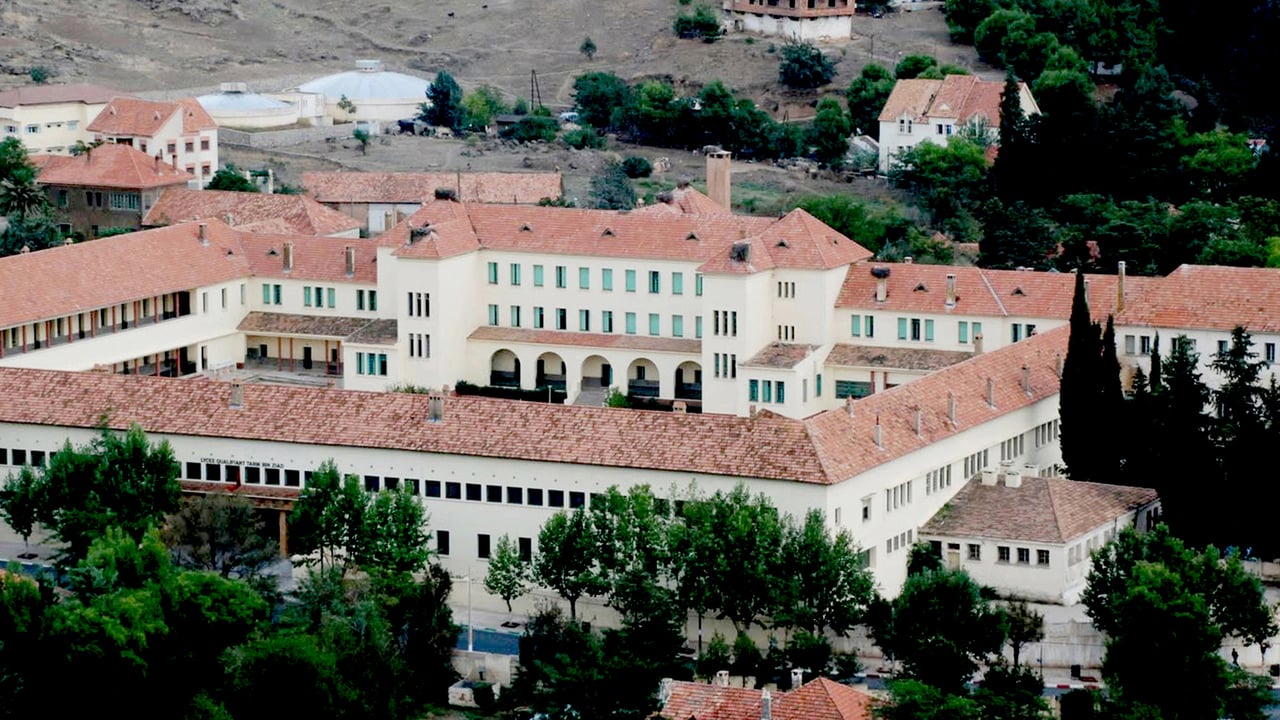
Originally designed by French colonial authorities as part of their Berber policy, Azrou College was meant to groom a Francophone Berber elite loyal to the protectorate. Intended to counter nationalist movements in cities like Fès and Rabat, the institution instead became a breeding ground for future leaders who would later shape independent Morocco. From its classrooms emerged ministers, military commanders, and even thirteen generals who served both Mohammed V and Hassan II. Some fell victim to the 1971 and 1972 coups. This exploration draws from Mohamed Benhlal’s research and firsthand accounts of former students.
Colonial ambitions behind a bold educational experiment
Conceived in the 1920s as part of France’s Berber policy in Morocco, Azrou College represented a calculated attempt to create an administrative and military elite among the Amazigh communities. The French authorities envisioned a system that would produce graduates fluent in French, culturally aligned with colonial values, and geographically isolated from the nationalist hotbeds of Morocco’s urban centers. The remote location of Azrou in the Middle Atlas mountains was no coincidence—it was meant to prevent ideological contamination from traditional Berber society or urban nationalist movements.
However, history took an unexpected turn. Rather than producing docile administrators, the college became a crucible for Morocco’s future leadership across political, military, and civil sectors. The institution’s legacy would ultimately undermine the very colonial objectives that created it.
The alumni who redefined Morocco’s trajectory
The list of influential graduates from Azrou College reads like a who’s who of post-independence Morocco. Among them were prominent figures who would serve in high-ranking government positions, shape judicial systems, and command military forces. Thirteen graduates rose to the rank of general, with some playing key roles during the reigns of King Mohammed V and Hassan II. Their careers spanned from cabinet positions to military leadership, demonstrating the diverse pathways this education enabled.
Yet the institution’s impact extended beyond formal political and military structures. Many alumni became instrumental in cultural preservation efforts, particularly in promoting Amazigh identity and language—a stark contrast to the assimilationist goals of its founders. This organic evolution from colonial tool to nationalist catalyst remains one of the most fascinating paradoxes in Moroccan educational history.
From colonial design to post-independence influence
The college’s transformation from a colonial project to a nationalist institution was neither immediate nor linear. In the years leading up to Morocco’s independence in 1956, many students began questioning colonial authority while still benefiting from the educational opportunities provided. This dual identity—grateful recipients of education yet aware of its oppressive context—created a unique generational consciousness.
After independence, Azrou College alumni occupied positions of power across the new nation. Their dual cultural upbringing—fluent in both French and Amazigh perspectives—positioned them uniquely to navigate Morocco’s complex post-colonial landscape. Some graduates became key architects of the new state, while others maintained connections to their Berber roots, subtly influencing national policies toward greater cultural recognition.
The institution’s story reflects a broader historical irony: the very structures designed to control and assimilate indigenous populations often became incubators for the leaders who would challenge and ultimately dismantle those systems.
The human stories behind the institution
Behind the political analysis lie personal narratives of transformation. Former students recall experiences ranging from the rigorous academic demands of the French curriculum to the cultural pride instilled through Amazigh traditions. Many describe a profound sense of dual identity—being both products of colonial education and heirs to Berber heritage.
These individual stories reveal how educational institutions, regardless of their original intent, inevitably become shaped by the people who pass through them. The graduates of Azrou College carried more than diplomas—they carried the seeds of change that would blossom in post-colonial Morocco. Their journeys from remote classrooms to national leadership exemplify how education can transcend its creators’ intentions to become a force for societal transformation.