Laurent Gbagbo’s strategic overhaul of Côte d’Ivoire’s political scene
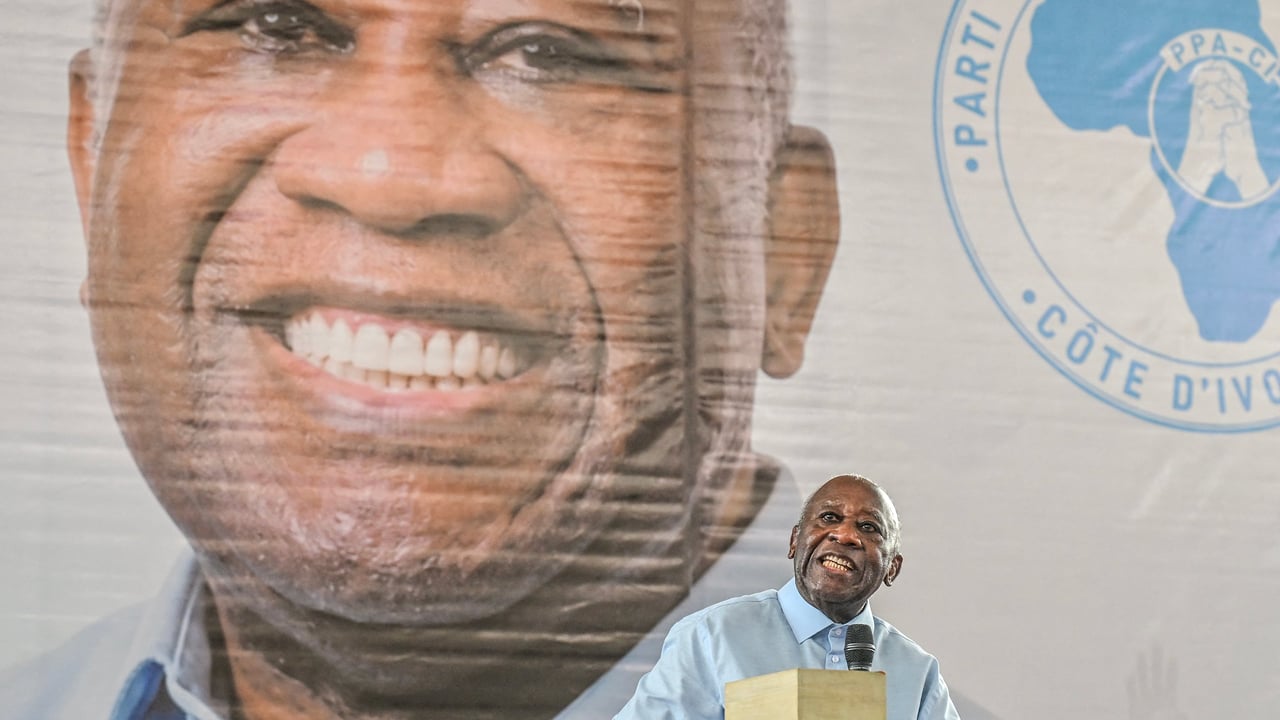
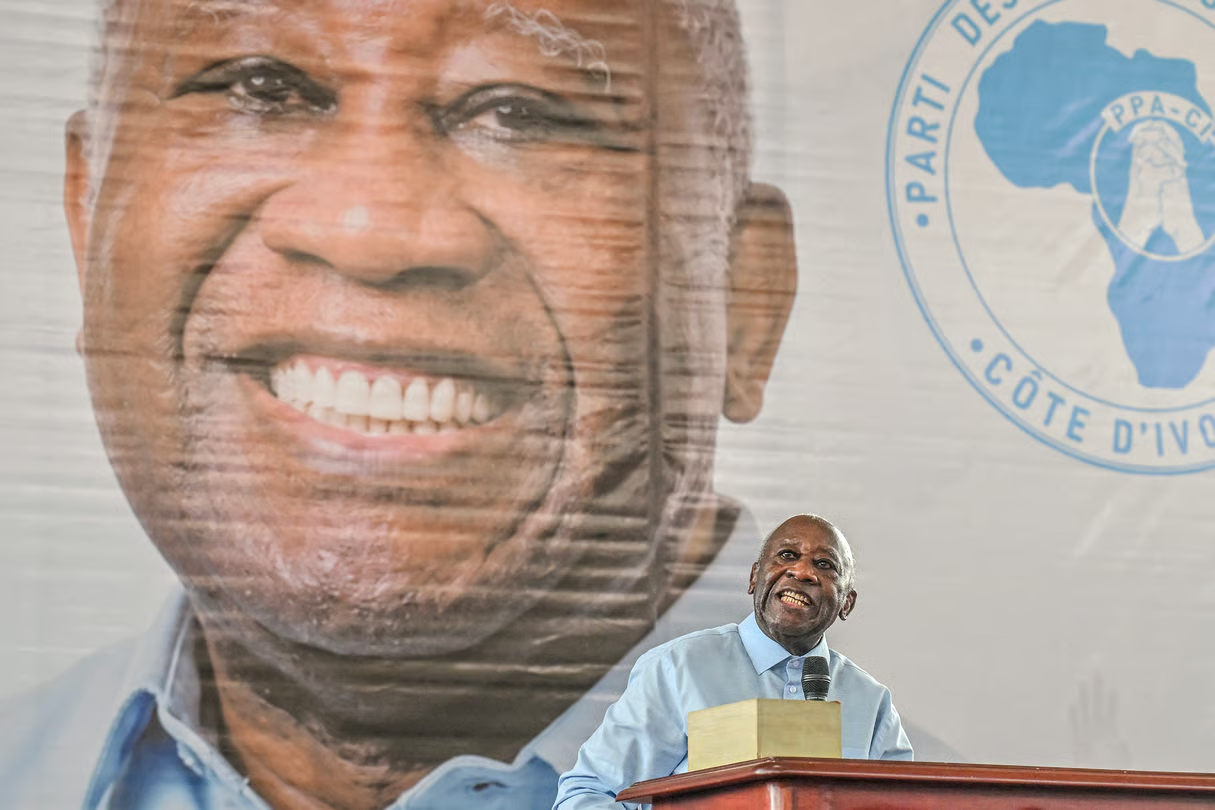
In a bold move that underscores his enduring influence in Ivorian politics, Laurent Gbagbo, former President and leader of the Parti des Peuples Africains – Côte d’Ivoire (PPA-CI), has recently implemented sweeping changes within his party. These adjustments, unveiled during the closing ceremony of the PPA-CI’s inaugural congress in Abidjan on May 15, 2026, signal a new phase in the political landscape of the country.
The restructuring initiative reflects Gbagbo’s determination to revitalize the party’s operational framework and align it with current political realities. By reorganizing key structures, he aims to strengthen the PPA-CI’s position ahead of upcoming electoral challenges. The congress, which brought together party members from across Côte d’Ivoire, served as a platform to formalize these sweeping modifications.
Key reforms introduced by Gbagbo
- Leadership restructuring: A revamped executive committee was announced, featuring a blend of seasoned loyalists and new faces to invigorate the party’s strategy.
- Policy alignment: Updated party statutes were presented, emphasizing grassroots engagement and modernizing internal governance to foster greater transparency.
- Youth integration: Dedicated slots for young party members were introduced in leadership roles, reflecting Gbagbo’s commitment to generational renewal.
- Electoral readiness: The reforms included measures to streamline campaign mechanisms, ensuring the party is poised for future electoral cycles.
Reactions and implications
The announcement has sparked diverse reactions among political observers and party members alike. Supporters view the reforms as a necessary step toward consolidating the PPA-CI’s relevance, particularly in light of shifting political dynamics in Côte d’Ivoire. Critics, however, question the long-term impact of these changes, citing the party’s historical challenges in maintaining consistent electoral success.
Political analysts highlight that Gbagbo’s strategic decisions could either reinforce his party’s standing or further fragment its support base. The coming months will be critical in determining whether these reforms translate into tangible political gains. For now, the PPA-CI stands at a crossroads, balancing tradition with the need for modernization.
Looking ahead: What’s next for the PPA-CI?
The party’s next steps will be closely watched, particularly as Côte d’Ivoire navigates its evolving political environment. With elections on the horizon, the effectiveness of Gbagbo’s reforms will be tested. Will these changes unite the party or deepen internal divisions? Only time will tell, but one thing is certain: the PPA-CI’s trajectory will continue to shape the political narrative in Côte d’Ivoire.