South African leader heads to Kinshasa to address Ebola crisis in DRC
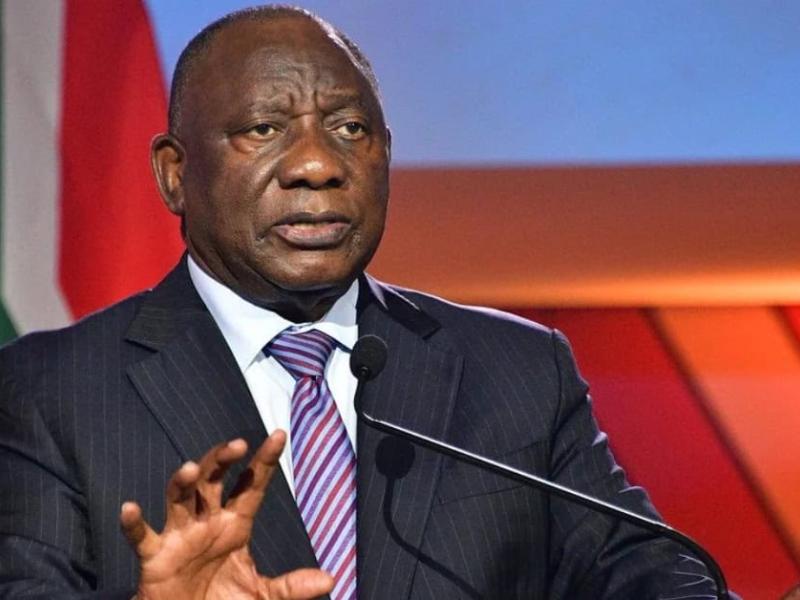
The President of South Africa, Cyril Ramaphosa, is set to arrive in Kinshasa today for a high-level solidarity mission to the Democratic Republic of the Congo (DRC) in his capacity as the African Union’s Champion for Pandemic Preparedness, Prevention, and Response (PPPR). This visit comes as the DRC faces its 17th outbreak of Ebola, a disease that has once again tested the resilience of the country’s health systems.
Mission to bolster continental response to Ebola
According to a statement from the South African Presidency, President Ramaphosa will be joined by Deputy Minister of International Relations and Cooperation, Thandi Moraka, for discussions with DRC President Félix-Antoine Tshisekedi. The purpose of the mission is to demonstrate the African Union’s collective support for the Congolese government and people in their fight against the ongoing Ebola outbreak.
The visit is designed to strengthen the coordinated continental response to the health emergency. The South African Presidency emphasized that the mission will provide high-level political leadership to enhance Africa’s unified approach to containing Ebola. Key objectives include improving cross-border collaboration, mobilizing political, technical, and financial commitments from African Union member states and global partners, and reinforcing the continent’s health security infrastructure for future crises.
Strengthening Africa’s health defenses
The African Union has underscored the importance of this mission in not only addressing the current outbreak but also in building long-term resilience. The AU’s Champion for PPPR is tasked with leading the political oversight of the Ebola response, fostering solidarity with affected nations, and supporting frontline workers battling the virus.
To date, African Union member states have pledged over $100 million to the African Union’s epidemic fund. Globally, financial commitments to combat Ebola have surpassed $910 million. South Africa, in particular, has contributed $13.5 million to these efforts.
Challenges and ongoing efforts in the DRC
The Ebola outbreak, caused by the Bundibugyo strain and later spreading to Uganda, was declared a Public Health Emergency of International Concern (PHEIC) by the World Health Organization (WHO) on May 17, two days after the DRC officially reported the epidemic. The WHO has warned that the outbreak’s actual scale may be underestimated due to factors such as population mobility, fragile health systems, limited infrastructure, and insecurity in conflict-affected areas. Notably, there is currently no vaccine or specific treatment available for this strain of the virus.
Despite these challenges, Congolese authorities remain confident in their ability to manage the situation. They highlight the country’s extensive experience in handling health crises, having successfully contained 16 previous Ebola outbreaks through coordinated response efforts involving national and international partners.
This report was filed by our correspondent in Kinshasa.