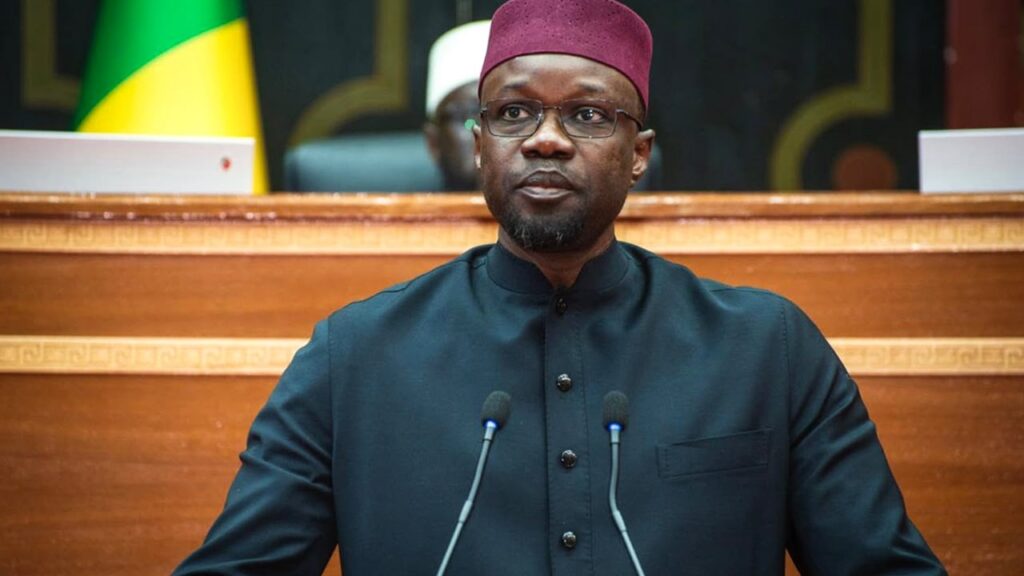

The political landscape in Senegal has taken an unexpected turn as two key parties, Pastef and APR, find common ground in their stance against electoral nomadism. This alliance signals a pivotal moment in the nation’s democratic journey, reshaping alliances ahead of critical political events.
Why the sudden alignment between Pastef and APR?
The convergence of Pastef and APR reflects growing concerns over the practice of politicians switching allegiances for personal gain rather than ideological alignment. Both parties, traditionally seen as rivals, are now prioritizing national stability and ethical governance over short-term political gains.
Their united front underscores a shared commitment to curbing the transhumance politique—a term used to describe the fluid migration of politicians between parties, often driven by self-interest rather than conviction. This phenomenon has long plagued Senegal’s political scene, eroding public trust in institutions.
The role of key figures in this shift
Ousmane Sonko, leader of Pastef, has been a vocal critic of electoral nomadism, emphasizing the need for transparency and accountability. His recent statements highlight the importance of political integrity in maintaining public confidence.
On the other side, Bassirou Diomaye Faye, representing the APR, has echoed similar sentiments, advocating for stricter regulations to prevent politicians from exploiting party switches for personal advantage. Together, their leadership is driving a narrative of reform and responsibility.
Implications for Senegal’s political future
The collaboration between Pastef and APR could set a new precedent for political conduct in Senegal. By addressing the root causes of electoral nomadism, they aim to restore faith in the democratic process and ensure that governance remains rooted in the public good rather than fleeting political gains.
This alliance may also influence voter perceptions, as citizens increasingly demand accountability and ethical leadership. The coming months will reveal whether this partnership can translate into tangible reforms that strengthen Senegal’s democratic institutions.
You may also like
Senegal’s shadow funds: How unchecked spending drains public trust and budgets
Bénin: le Sénat tient sa séance inaugurale sous la conduite de Patrice Talon
Gabon : la participation citoyenne au cœur de la Ve République
Is Chad truly experiencing a political easing of tensions?
Accord FMI-Sénégal : Thierno Bocoum exige la transparence sur les conditionnalités