After fifteen months of strained relations with Bamako, Algeria has taken decisive steps to restore diplomatic ties with Mali and deepen cooperation with Niamey. These moves follow a clear strategic objective: to reclaim its waning influence in the Sahel before Morocco solidifies its economic and political foothold in the region.
Rebuilding alliances in the Sahel
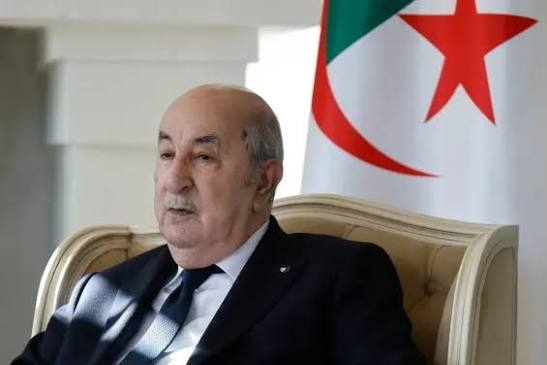
Algeria’s diplomatic reset began with Mali, where a prolonged crisis had severed bilateral relations. On July 10, Algerian President Abdelmadjid Tebboune ordered the return of Ambassador Kamal Retieb to Bamako, while Mali simultaneously reinstated its ambassador to Algiers and reopened its airspace to Algerian aircraft. This normalization, coming after months of confrontation, gained further momentum in August when Malian Prime Minister Abdoulaye Maïga emphasized a «complete convergence of views» with Algeria on «sovereignty and non-interference in internal affairs».
For Algeria, this thaw with Mali is more than just repairing broken ties—it’s a chance to regain its footing in the Sahel. Mali is not only Algeria’s southern neighbor but also a key member of the Alliance of Sahel States (AES), making its alignment critical for Algiers to restore its regional standing.
Stronger ties with Niamey through security and energy
Algeria’s outreach to Niger has gone even further. On August 9, it delivered four military helicopters—two Mi-24V combat helicopters and two Mi-171 transport helicopters—to Niger’s armed forces, along with spare parts, maintenance equipment, and ammunition. Shortly after, Algeria’s prime minister traveled to Niamey to launch drilling operations at the Kafra Sud-Est 1 exploration well. Meanwhile, Algerian and Nigerien energy firms finalized their first joint oil marketing deal, reinforcing economic cooperation between the two nations.
This multi-pronged approach—military support, energy projects, and economic collaboration—highlights Algeria’s strategy to rebuild influence in Niger, another AES member that plays a vital role in its southern security and economic interests.
The Sahel’s shifting power dynamics
Algeria’s diplomatic offensive comes at a time when the Sahel is undergoing a profound transformation. The AES—comprising Mali, Burkina Faso, and Niger—has distanced itself from Western partners, expanded ties with Russia, and forged new diplomatic and military alliances. In June, foreign ministers from the three countries met in Bamako to advance the «Diplomacy pillar» of their Confederation, signaling a united front in reshaping regional partnerships.
For Algeria, this evolving landscape presents both a challenge and an opportunity. While it risks losing its historical influence, it also sees a chance to reconnect with governments that have turned away from Paris and other Western capitals in search of new allies. However, Algeria is not the only player vying for influence—Morocco has been steadily expanding its presence through a mix of political diplomacy, religious outreach, investments, and infrastructure projects, particularly in the Atlantic-facing countries of West Africa.
Algeria’s reactive strategy against Morocco’s advance
Analysts note that Algeria’s recent moves are largely a response to Morocco’s growing clout in the Sahel. Reports from early 2025 suggest that Algeria’s economic diplomacy is aimed at countering Morocco’s regional influence. While Algeria boasts a strong military and substantial energy resources, Morocco has methodically built a network of economic and political ties, including banking, telecommunications, education, and infrastructure, creating lasting interdependencies.
Algeria’s current approach appears more defensive—seeking to recover lost ground rather than proactively shaping the region’s future. The focus is on blocking Morocco from capitalizing on Algeria’s setbacks rather than presenting an independent vision for the Sahel.
The fragile path to reconciliation with Bamako
The normalization with Mali marks a turning point after a bitter 15-month standoff. The crisis, which began with Mali’s rejection of the 2015 peace agreement and escalated after an Algerian military strike on a Malian drone near Tinzaouaten in April 2025, had pushed relations to the brink. Both countries recalled their ambassadors, and Mali took its dispute with Algeria to the International Court of Justice, while Algeria contested the court’s jurisdiction.
The July 10 agreement to restore relations was a major reversal. Mali’s return of its ambassador to Algiers and the reopening of its airspace were matched by Algeria’s reciprocal steps. By August, the tone had shifted further, with Mali’s leadership highlighting a «complete convergence of views» with Algeria on regional security and governance. The role of Niger and diplomatic mediation from Moscow were cited as key factors in easing tensions between Algiers and Bamako.
Niger as Algeria’s strategic testing ground
Algeria’s partnership with Niger has evolved rapidly since March, when the second session of the Algerian-Nigerien joint commission addressed energy, security, transport, health, finance, and infrastructure. Both governments described their relationship as «strategically irreversible» and pledged a «completely renewed partnership».
The recent delivery of military helicopters and the launch of the Kafra Sud-Est 1 oil project—along with the first joint marketing of Nigerien crude—demonstrate Algeria’s commitment to deepening ties. However, these initiatives still face real-world challenges, underscoring the fragility of Algeria’s resurgence in the region.
Geopolitical constraints and Morocco’s head start
Algeria’s push to regain influence is driven by both geography and politics. Its 1,300-kilometer border with Mali and proximity to Niger expose it to the same security threats—armed groups, instability—that plague the Sahel. While military and security cooperation are essential, Algeria recognizes that lasting influence requires robust economic and energy partnerships to match Morocco’s offerings.
The challenge for Algeria is that Morocco has already made significant inroads. Mali’s withdrawal of recognition from the Polisario Front in April 2025 and its endorsement of Morocco’s autonomy plan for Western Sahara highlight Rabat’s growing sway. The AES’s gradual alignment with Morocco has shifted the regional balance, forcing Algeria into a reactive stance where its primary goal is to prevent further losses rather than expand its own agenda.
An uncertain path forward
Algeria’s current strategy is one of recovery, aiming to reclaim lost positions in the Sahel before Morocco secures them permanently. Niger serves as the most advanced testing ground for this approach, while Mali represents the diplomatic litmus test. Burkina Faso remains a secondary focus, with less visible but still important engagement.
Yet this recovery remains fragile. Algeria’s regional policy continues to be shaped more by competition with Morocco than by a clear, independent vision for the Sahel. True influence would require offering something more than just a counterbalance to Rabat—yet for now, Algeria’s return is still playing out in the shadow of its rival’s advances.
You may also like
Mali: JNIM ambush on Russian Africa Corps convoy near Niono — what it means for civilians and local trade
Mali’s poverty crisis: how hunger and hardship are reshaping daily life for millions
Guinea-Bissau’s December election: what Embaló’s return means for daily life, stability and the economy
The $20 million bounty on Robert Brovdi: what it means for Ukraine’s citizens, businesses and war economy
What the UN’s 10.5 billion FCFA in Gabon really means for households and small businesses in 2025