Alex Nguepi contends that tribal allegiances in Cameroon are frequently exploited to conceal underlying economic shortcomings. He states, “Those who have invested their resources in constructing homes, factories, businesses, and enterprises owe no explanations to those who chose to remain mere observers.”
Alex Nguepi highlights how tribalism in Cameroon is often used to deflect from economic challenges.
“Those who have committed their capital to establishing residences, industrial facilities, commercial ventures, and enterprises are not obligated to provide justifications to those who opted for inaction,” Alex Nguepi declared.
“The Bamileke people are under no obligation to explain their ownership of land, properties, or businesses in Douala, Yaoundé, or any other part of Cameroon. Cameroon belongs to no single tribe, community, or specific group. It is the shared heritage of all Cameroonians.
Douala, Yaoundé, and the nation’s major urban centers were not developed by one ethnic group alone. Their growth is a testament to the taxes, sacrifices, labor, and dedication of millions of Cameroonians from every corner of the country. No one possesses an exclusive claim to Cameroonian citizenship.
The straightforward truth, which some are reluctant to acknowledge, is this: the Bamileke have cultivated a tradition of saving, entrepreneurship, investment, and wealth creation. While some consume, others invest. While some spend, others build. While some seek excuses for their stagnation, others diligently work to secure their children’s future.
For many children from the West region, the ambition is not to perpetually inherit the family home. Their aspiration is to construct their own residences, establish their own businesses, and leave a lasting legacy for the next generation. This is precisely why they acquire land, erect buildings, open commercial establishments, and generate employment wherever opportunities arise.
Therefore, it is absurd to attempt to transform the economic achievements of a community into a political issue. Individuals who have invested their funds in constructing homes, factories, businesses, and enterprises are not accountable to those who chose to remain passive observers.
The true scandal is not that Cameroonians are building across their own nation. The real outrage lies in the fact that, after decades in power, certain leaders continue to pit Cameroonians against each other to mask their own poor economic and social performance.
When the economy falters, unemployment soars, poverty escalates, and opportunities diminish, the purveyors of hatred invariably resort to the same tactics: tribalism, nativism, and division. This strategy is characteristic of regimes nearing their end, regimes that lack genuine solutions to offer the populace.
Cameroon does not require tribalists. Cameroon needs builders. It needs citizens who invest, establish businesses, pay taxes, create employment, and contribute to the national wealth.
A nation flourishes through the efforts of entrepreneurs, farmers, industrialists, traders, and laborers. It does not advance through hateful rhetoric, envy, or attempts at stigmatization.
Let everyone build. Let everyone invest. Let everyone create wealth. And Cameroon will progress.
The future belongs to the builders. Those who sow division, however, are destined for the dustbin of history.
Alex Nguepi
Related Posts

Fallout from Amnesty’s M23 mining report: what next for eastern DRC?
The publication of a damning report by Amnesty International detailing grave human rights abuses by the M23 armed group in…
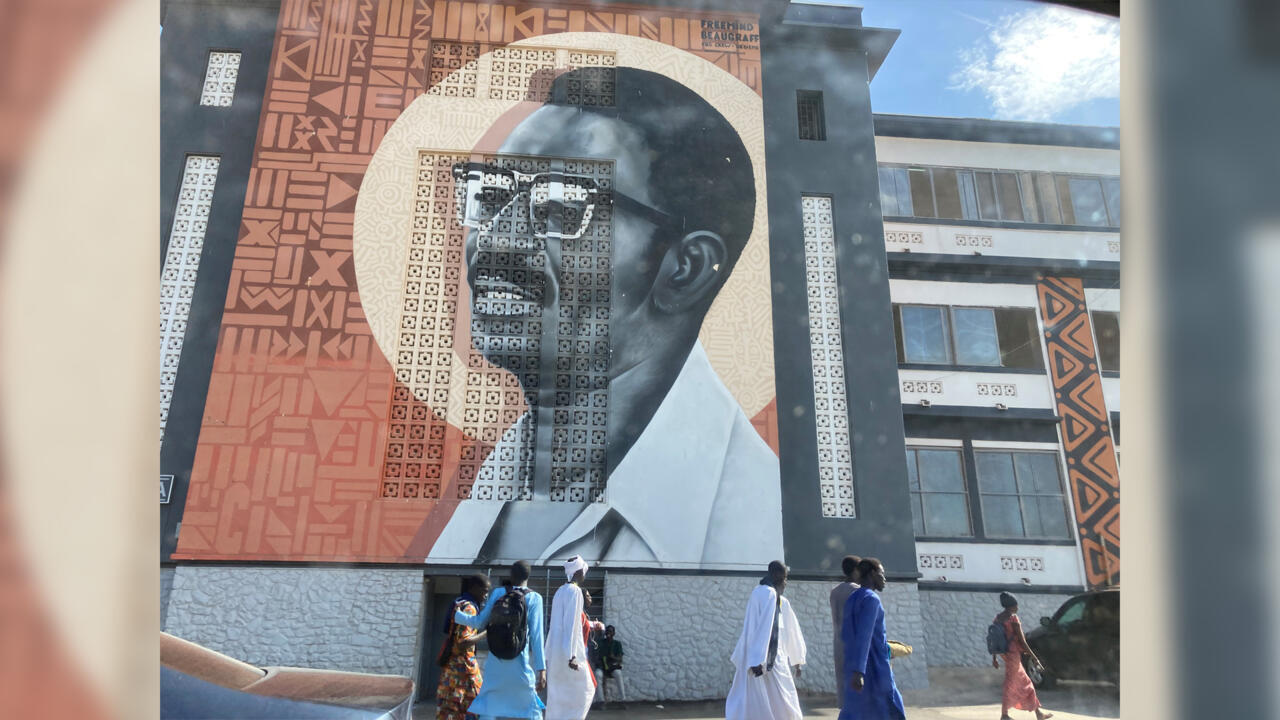
Senegal’s Cheikh Anta Diop University: at the heart of the african renaissance debate
During the 1970s, a striking paradox unfolded at Dakar University: one of Africa’s most brilliant intellectuals, Cheikh Anta Diop, worked…
Senegal’s 2026 budget revision: the real economic cost for households and businesses
Senegal’s 2026 draft amended finance law, submitted to the National Assembly on 18 September 2026, has cut the country’s growth…