
Navigating transparency and security in Senegal’s financial governance
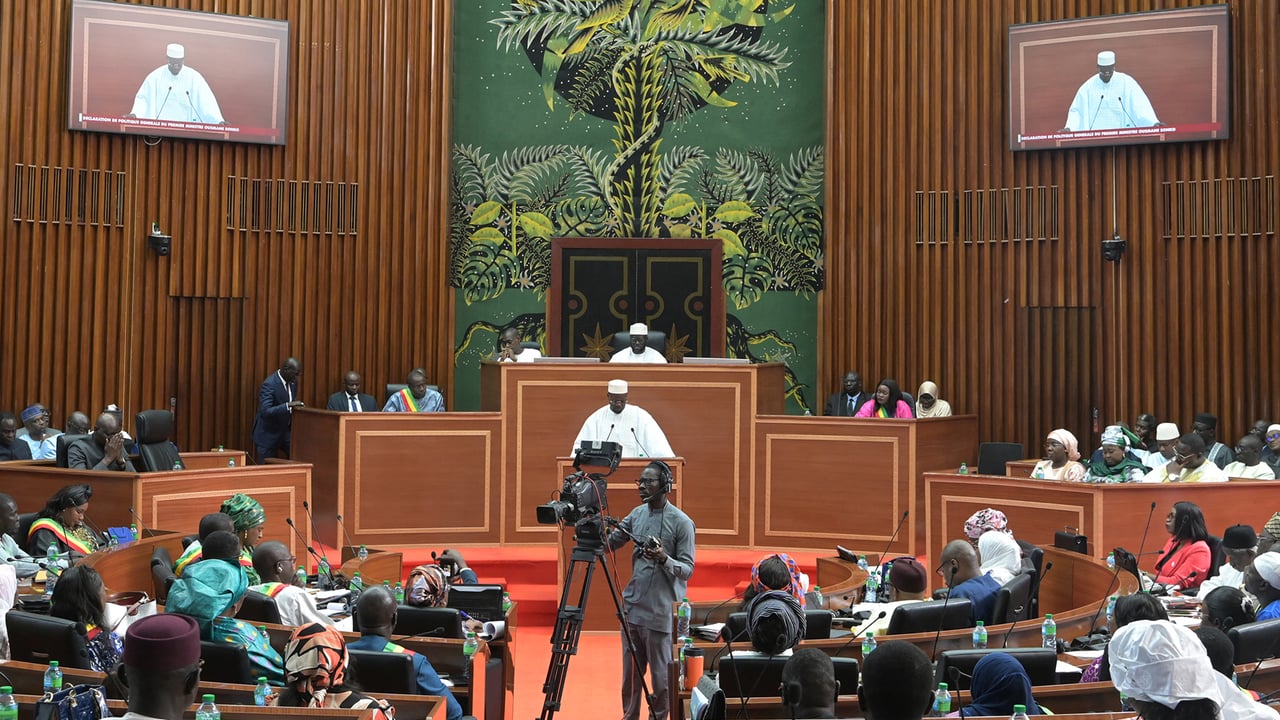
The debate over the confidentiality of special funds in Senegal has resurfaced, following Prime Minister Ousmane Sonko’s announcement to repeal the amnesty law passed under former President Macky Sall. This law had shielded individuals involved in deadly political unrest from prosecution. The move signals a broader conversation about balancing transparency with the need for discretionary financial mechanisms.
The role of confidentiality in financial governance
Special funds in Senegal have long served as strategic tools for governments to address urgent needs without the constraints of standard budgetary processes. These funds often finance sensitive operations—ranging from national security to crisis response—where public disclosure could compromise effectiveness or safety.
Critics argue that excessive secrecy in such funds fosters opacity, risking misuse of public resources. Yet, proponents emphasize that confidentiality is essential to prevent interference, protect sensitive information, and ensure swift decision-making in high-stakes situations. The challenge lies in finding a middle ground where oversight does not stifle operational efficiency.
Political implications of the amnesty law repeal
Prime Minister Sonko’s decision to challenge the amnesty law reflects a commitment to accountability, particularly for acts of violence that marred Senegal’s political landscape in recent years. By seeking its repeal, his administration is signaling a departure from past practices, aiming to restore public trust in institutions.
However, this move also raises questions about the future use of special funds. If greater transparency becomes a priority, how will the government reconcile the need for discretion with demands for openness? The repeal of the amnesty law could set a precedent for stricter scrutiny of financial decisions, including those tied to special funds.
Balancing security and accountability
The debate over special funds is not unique to Senegal. Across West Africa, governments grapple with similar dilemmas—how to manage funds that require confidentiality while ensuring they are not exploited for personal or political gain. In Senegal, the stakes are particularly high, given the country’s role as a regional stabilizer and its ongoing efforts to modernize its governance frameworks.
A well-structured oversight mechanism could provide the necessary balance. Transparency does not have to mean full public disclosure; instead, it can involve targeted audits and independent reviews to ensure funds are used appropriately. This approach would address concerns about misuse while preserving the operational flexibility these funds were designed to offer.
As Senegal navigates this delicate balance, the outcome of this debate will have lasting implications for its financial governance and political accountability. The government’s next steps will reveal whether it can uphold both efficiency and integrity in managing these critical resources.