Benin currently sits 19th in Africa for tourism development, according to the World Economic Forum’s Travel & Tourism Development Index. That ranking assesses infrastructure maturity, the business climate, connectivity and sector sustainability.
Why the 19th place matters for ordinary citizens
For a country with deep heritage and memorial assets, 19th place sends a blunt signal: the potential is genuine, but the sector needs a far-reaching structural overhaul to compete with the continent’s leading destinations. The immediate consequences are already visible — limited hospitality capacity and patchy transport links mean fewer visitors, less income for local artisans, guides and transport operators, and fewer jobs in communities that could otherwise thrive on cultural tourism.
2027 Turning point: 600 billion FCFA to change scale
To address this, the Beninese government is preparing an unprecedented financial push. Around 600 billion CFA francs have been allocated to tourism for 2027. This large envelope is designed to tackle the very challenges highlighted by international assessments:
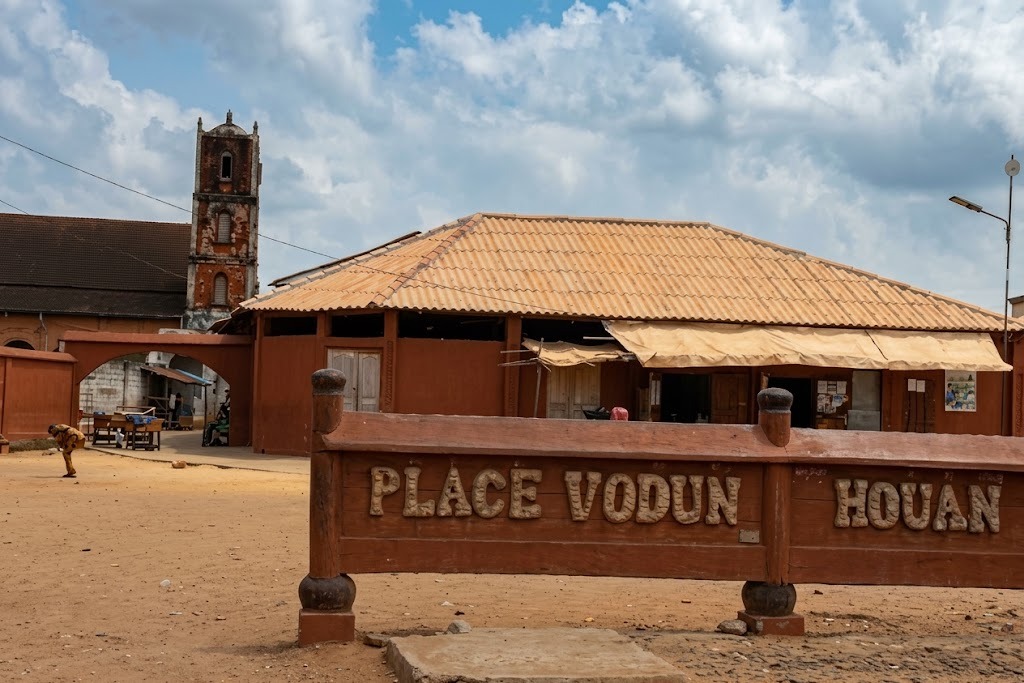
- Infrastructure and museum development: funding the delivery and operation of major museum projects (the Museum of Kings and Amazons in Abomey, the Museum of Memory and Slavery in Ouidah, and the Cotonou Art Museum).
- Site upgrading: rehabilitating flagship tourist circuits such as the lake village of Ganvié and the Slave Route.
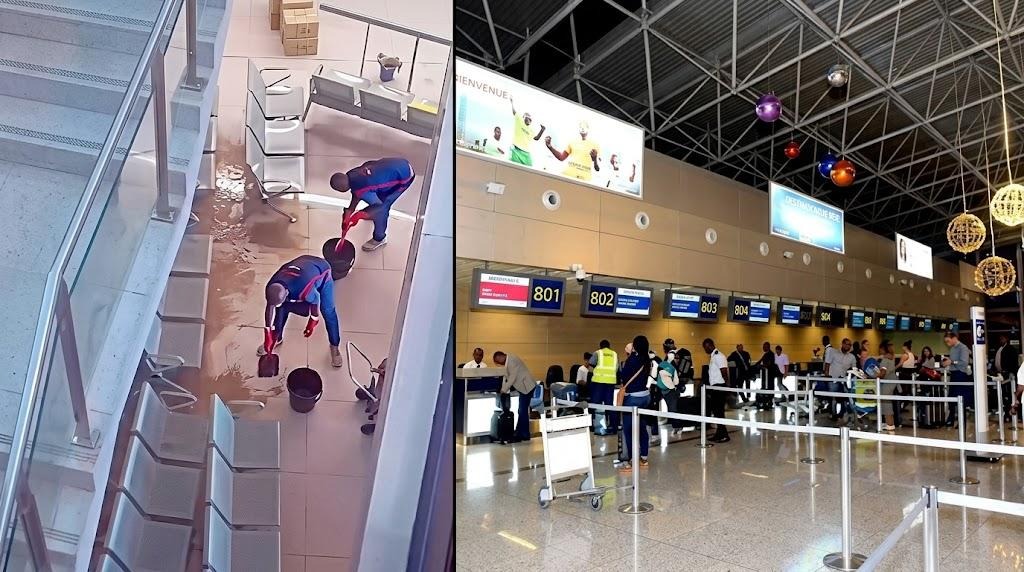
- Support and reception capacity: strengthening the hotel chain, training local operators and modernising logistics access.
What the money changes for businesses and the economy by 2030
The aim of this capital injection is clear: raise tourism’s contribution to 13% of GDP by 2030, from a share that is still consolidating today. For small businesses — guesthouses, restaurants, craft sellers, transport providers — the spending could translate into steadier demand and new opportunities. For the wider economy, it could create jobs and diversify revenue away from traditional sectors. By turning its 19th African ranking into a springboard, Benin is betting that investment in its cultural and tourism economy will become the second sustainable engine of national growth.