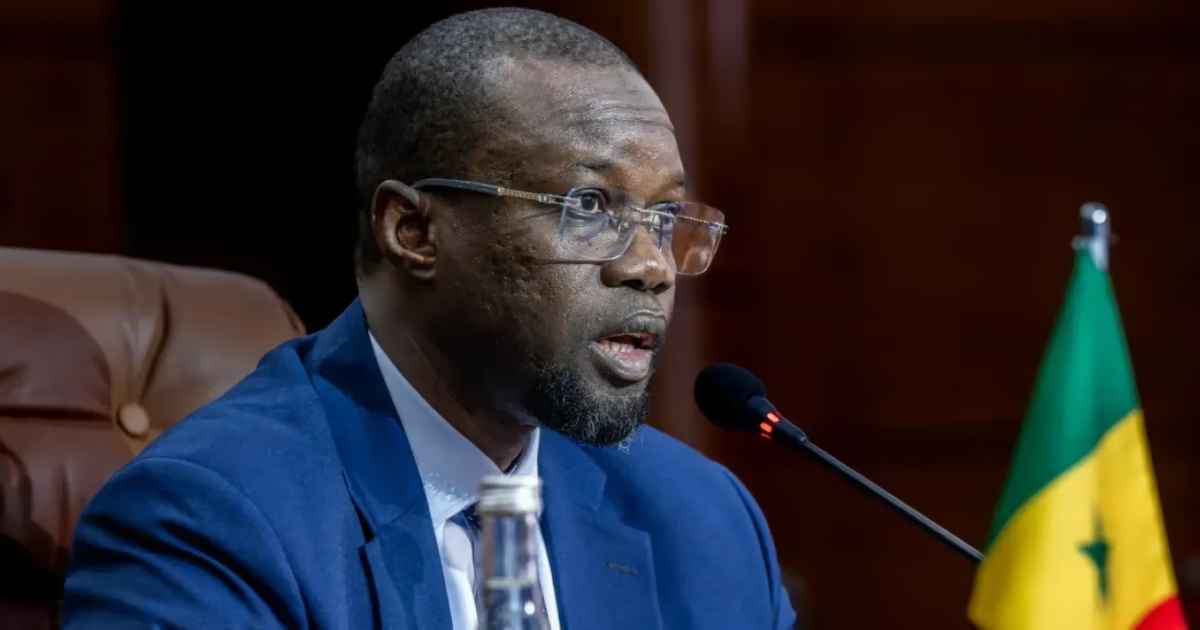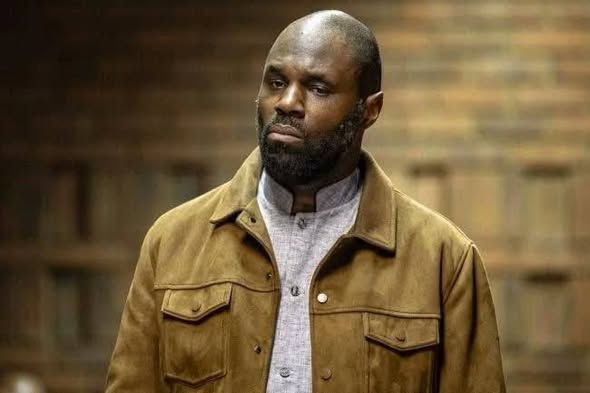
The recent arrest of Kémi Séba in South Africa, alongside a white supremacist linked to apartheid nostalgia, raises critical questions about the true essence of modern pan-Africanism. As South Africa’s justice system deliberates on his fate, Venance Konan examines whether this controversial activist—with 1.5 million social media followers—truly embodies the ideals of a movement born to unite and empower African peoples.
By Venance Konan
Kémi Séba, whose real identity is Stellio Gilles Robert Capo Chichi, holds Beninese citizenship and a diplomatic passport from Niger. His arrest in South Africa—attempting to enter Zimbabwe illegally with the help of a South African white supremacist nostalgic for apartheid—has reignited debates about his role as a self-proclaimed pan-African leader. Known for his fierce anti-French rhetoric, opposition to the CFA franc, and controversial views, Séba was stripped of French citizenship due to his inflammatory positions. He now faces charges in Benin for “inciting rebellion and glorifying state security crimes” after publicly supporting soldiers involved in a failed coup attempt in December. An international arrest warrant has been issued against him.
From anti-colonial roots to controversial modern voices
Pan-Africanism emerged in the early 20th century among Black intellectuals in the Americas and Caribbean, later fueling the anti-colonial struggles across Africa. Figures like Kwame Nkrumah of Ghana, Sékou Touré of Guinea, and Patrice Lumumba of Congo became synonymous with this movement, which sought to unite African nations and their diaspora in a shared struggle for liberation and self-determination. The Federation of Black African Students in France (FEANF), founded in 1950, played a pivotal role in advocating for decolonization and continental unity, despite facing severe repression from French authorities.
The independence of Ghana in 1957 and subsequent liberation of African nations in 1960 were celebrated as victories of pan-African solidarity. The creation of the Organization of African Unity (OAU) in 1963 marked a significant step toward continental integration. However, post-independence realities revealed a different story—one of fragmented nationalism, secessions like Eritrea and Sudan, and the rise of divisive regional conflicts. The OAU’s transformation into the African Union (AU) in 2002, championed by Libya’s Muammar Gaddafi, ultimately failed to achieve its ambitious goals. Despite the AU’s introduction of the New Partnership for Africa’s Development (NEPAD) in 2001, the initiative has since faded into obscurity.
Pan-Africanism today: rhetoric vs. reality
Today, pan-Africanism is often invoked as a necessary political stance, with many African leaders and governments establishing ministries dedicated to continental integration. Yet, actions frequently contradict this rhetoric. For instance, Côte d’Ivoire’s former president Laurent Gbagbo founded the Pan-African Peoples’ Party of Côte d’Ivoire (PPA-CI), while Senegal’s ruling party, PASTEF, claims pan-African credentials. However, rather than fostering unity, many African nations engage in internal conflicts—such as those in the Horn of Africa, Sudan, or the Great Lakes region—or worse, target fellow Africans within their borders. South Africa, for example, has been criticized for its treatment of African migrants, while West African countries remain divided between the Sahelian states and their neighbors in ECOWAS.
Controversial figures and shifting alliances
Kémi Séba, Franklin Nyamsi, and Nathalie Yamb are among the most vocal pan-African voices in Francophone Africa. They have positioned themselves as leading opponents of French influence on the continent. However, their alignment with Russian propaganda and support for the military juntas of the Alliance of Sahel States (AES)—Assimi Goïta of Mali, Ibrahim Traoré of Burkina Faso, and Abdourahamane Tiani of Niger—has raised eyebrows. Can pan-Africanism truly be defined by a shift from resisting one foreign power to embracing another? The human rights abuses and economic exploitation linked to Russian-backed groups in the Sahel paint a grim picture. Moreover, the allegation that Nyamsi and Yamb are financially supported by Faure Gnassingbé, leader of Togo, further complicates the narrative of these self-proclaimed pan-Africanists.
In a leaked phone conversation, Séba himself labeled Nyamsi and Yamb as “opportunists,” while expressing regret over losing his French citizenship. His own actions—attempting to enter Zimbabwe via illegal means with a white supremacist—undermine claims of moral high ground. This raises a fundamental question: what remains of pan-Africanism when its most prominent advocates prioritize personal gain over the movement’s founding principles of dignity, unity, and self-determination?
As global power dynamics shift and new predators vie for influence in Africa, the continent’s survival may depend on a renewed commitment to genuine pan-African ideals. But where are the true pan-Africanists in today’s landscape? The answer may reveal more about the challenges facing Africa than about the movement itself.