From bullets to backbreaking labor: The brutal new reality for Burkinabè fleeing home
Thousands of young Burkinabè are caught in a deadly paradox: leaving a homeland ravaged by violence only to be hunted down in the lawless gold pits of Guinea. After military-led crackdowns on illegal mining sites in Siguiri’s Kouremalé, Djatéla and Bouré-Kourda last week, scores of displaced youth now face a stark choice—keep running or face imprisonment in a Guinean prison cell.
The exodus from Burkina Faso wasn’t just a search for safety—it was a last-ditch effort to survive. With jihadist violence tearing through villages and military regimes trampling human rights, countless young men and women believed they were escaping into opportunity. Instead, they arrived to find themselves trapped in a cycle of exploitation, arrested and deported without legal recourse.
Why the dream of gold mining became a nightmare in Guinea
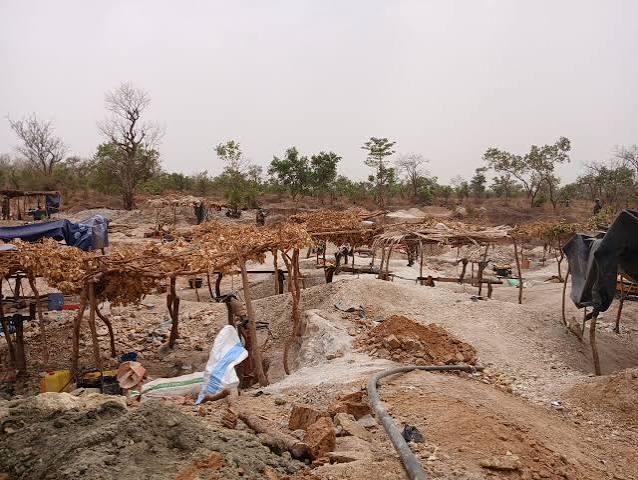
The lure of Siguiri’s artisanal mines drew Burkinabè youth with promises of quick earnings. But what they found were treacherous tunnels, toxic dust, and no protection from Guinean security forces. When the government launched a sweeping crackdown, bulldozing makeshift shelters and burning mining equipment, these migrants lost their only source of income overnight.
Now stranded without documents, money, or safe routes home, they sleep in railway stations or under market stalls. Many report being rounded up in night raids, beaten, and sent back to Burkina Faso—only to face renewed terror at home. The story of 22-year-old Malik, a gold panner from Kaya now sleeping rough in Faranah, is emblematic: “I fled bullets only to be chased by boots in the dust.”
How weak governance turns refugees into pawns in two countries
The collapse of state authority in Ouagadougou isn’t just fuelling insurgency—it’s creating a conveyor belt of displaced youth pushed into illegal mining across West Africa. Guinea’s aggressive anti-gold-panning campaign, while aimed at curb illegal mining, has shown little regard for the human cost. Migrants are treated not as victims of persecution, but as criminals—regardless of whether they fled persecution themselves.
Without bilateral agreements on repatriation or humanitarian corridors, these young people are caught between two failed states. Authorities in both countries remain silent on their fate, leaving aid groups to scramble for food, shelter, and safe passage.
In the absence of real solutions, the future looks bleak for this generation. More raids, more arrests, and more shattered dreams—until the next mass displacement begins.
One question remains unanswered: is there still a path to survival for West Africa’s forgotten youth?
Key insights: the human cost behind the headlines
- Over 2,500 Burkinabè miners were forcibly evicted from Guinean gold sites in 2024 alone.
- Extortion by local authorities in Siguiri adds another layer of financial strain on displaced youth.
- 90% of returnees to Burkina Faso report increased vulnerability to recruitment by armed groups.
- No legal framework exists to protect migrant workers in artisanal mining across the region.