Why the CEDEAO’s latest demand on Togo’s constitutional reform isn’t just procedural
The Community Court of Justice of ECOWAS hasn’t forgotten its January 2026 verdict on Togo’s constitutional reform. In a formal letter dated October 23, 2026, the court’s interim chief registrar, Dr. Ousmane Diallo, pressed the Togolese government to explain how it plans to implement the ruling in the landmark case involving the Togolese Human Rights League (LTDH) and twelve other petitioners. But this isn’t just a routine follow-up—it’s a high-stakes test of Togo’s commitment to democratic principles in a region where military rule and constitutional uncertainty are reshaping West African politics.
What changed—and what didn’t—in Togo’s 2024 constitutional overhaul
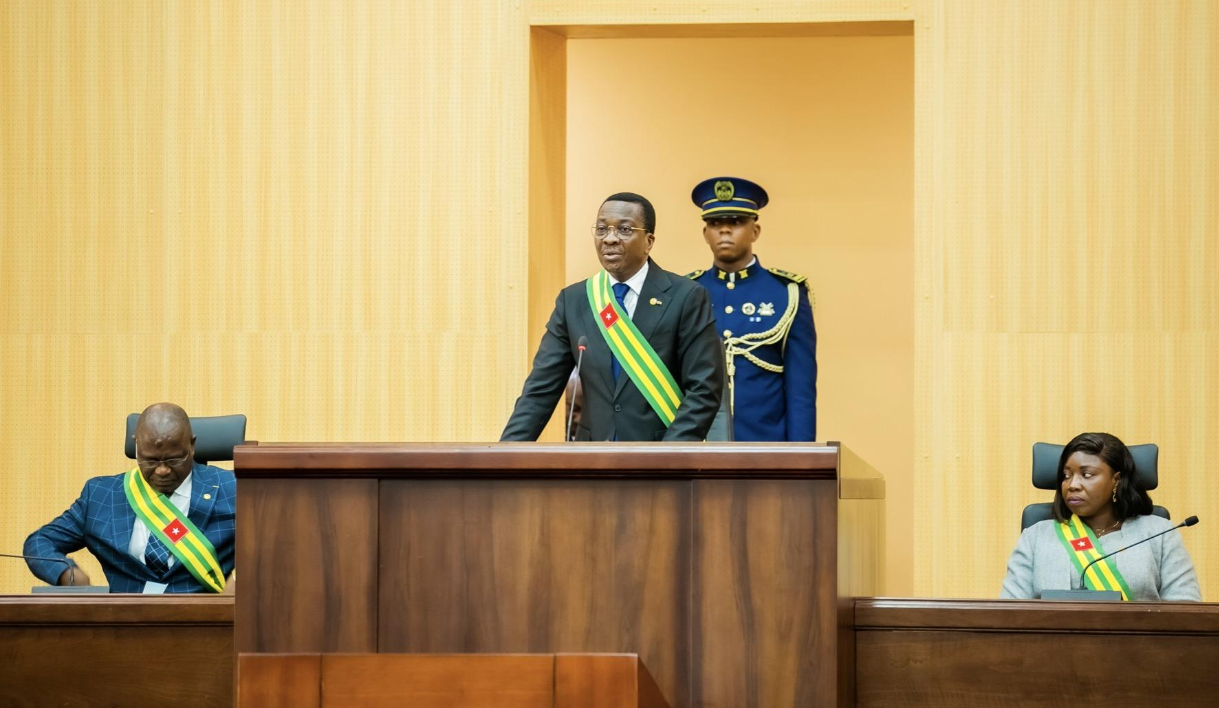
March 25, 2024, marked a turning point. On that day, Togo’s parliament adopted a new Constitution that scrapped the presidential system in favor of a parliamentary framework. The president’s powers were significantly transferred to the newly created role of Council of Ministers President—effectively a prime ministerial position. But in a twist critics saw coming, Faure Gnassingbé, in office since 2005, was appointed to the post on May 3, 2025. The move allowed him to retain executive control without facing a popular presidential vote.
Proponents called it modernization. Opponents called it a constitutional sleight of hand—one designed not to change who holds power, but to change how power is held. And in West Africa, where the memory of dynastic leadership runs deep—dating back to the Eyadéma family in 1967—suspicion runs high.
CEDEAO’s warning: compliance isn’t optional
The January 29, 2026 judgment didn’t strike down the Constitution. Instead, the ECOWAS court found Togo in violation of Article 23 of the African Charter on Democracy, Elections, and Governance. It ordered Lomé to ensure future reforms align with international democratic standards. In October 2026, the court doubled down—demanding concrete measures to comply. The message was clear: democratic obligations aren’t suspended because political convenience demands otherwise.
This isn’t about reversing changes. It’s about accountability. And it raises a critical question: Is Togo using legal maneuvers to sidestep accountability under the guise of institutional reform?
From Lomé to Bamako: a diplomatic alignment that raises eyebrows
Togo’s evolving relationship with the Alliance of Sahel States (AES)—comprising Burkina Faso, Mali, and Niger—has added another layer of complexity. Since their respective coups, these countries have charted their own paths, rejecting Western influence and redefining regional alliances. While Lomé remains formally within ECOWAS, its diplomatic flirtation with military-led states has fueled speculation about shifting loyalties.In January 2025, Foreign Minister Robert Dussey openly discussed the possibility of Togo joining the AES. By April 2026, the capital had unveiled a new cooperation strategy with Sahelian neighbors—prioritizing political dialogue, security, and economic integration. Officials defend this pivot as a regional stabilizer, a bridge between two blocs. But critics see a troubling convergence: centralized power, weakened checks and balances, and a shared resistance to democratic alternation.
It’s a paradox: a member of ECOWAS courting governments that have actively distanced themselves from the organization. The timing and optics of this alignment only intensify concerns about Togo’s long-term democratic trajectory.
Faure Gnassingbé’s next move: legitimacy or legal maneuvering?
The ECOWAS court’s renewed pressure comes at a delicate juncture. The Ve République—now rebranded as a parliamentary system—still faces deep division within Togolese civil society and political circles. The legitimacy of the 2024 reform remains contested, not because of its structure, but because of who now wields its levers.
Faure Gnassingbé and his administration now face a defining moment. How they respond to the court’s demand will signal whether Togo is committed to upholding democratic norms—or prioritizing political continuity at the cost of institutional credibility. With West Africa’s political landscape increasingly fragmented between military juntas and embattled democracies, this case could set a precedent for regional expectations.
The question isn’t whether the Constitution is legal. It’s whether Togo’s institutional choices respect the spirit of the law—and the trust of its neighbors.
What’s at stake: beyond Lomé, for all of West Africa
ECOWAS’s insistence on compliance reflects more than legal rigor—it reflects regional anxiety. As military-led states reshape governance across the Sahel, democratic institutions across the bloc face unprecedented pressure. Togo’s constitutional experiment sits at the nexus of these forces. Will it become an example of reform within democratic bounds? Or will it normalize the erosion of checks and balances under the banner of modernization?The answer may well determine whether West Africa’s future is one of democratic resilience—or institutional drift.