
Millions in development funds remain idle in Cameroon
Despite substantial borrowing for infrastructure and social programs, Cameroon faces persistent challenges in effectively utilizing billions in development loans. These funds, secured primarily from international financial institutions, are intended to boost economic growth and improve living standards. Yet, delays in project execution and administrative bottlenecks continue to hinder progress.
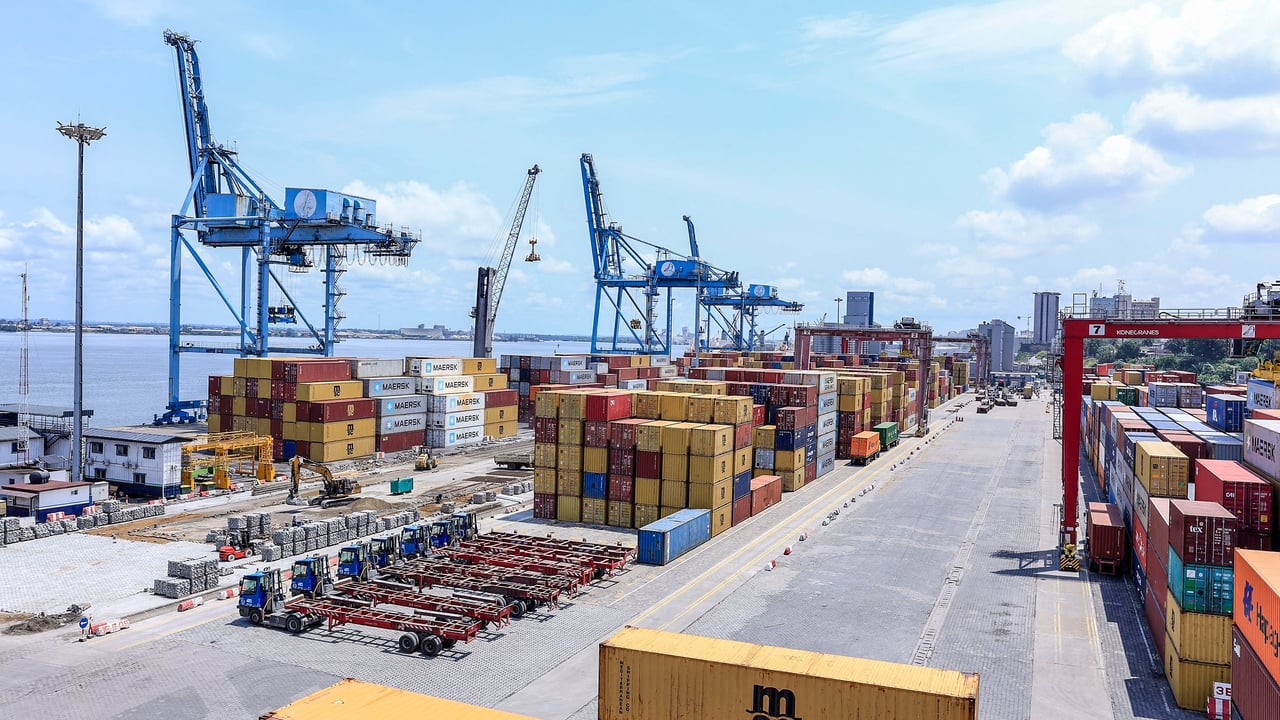
At the heart of this issue lies Douala’s autonomous port, a critical economic hub where millions in allocated credit remain unspent. Observers note that while loan agreements are signed, disbursement processes stall, leaving vital infrastructure projects in limbo. The consequences ripple across industries reliant on efficient port operations, from agriculture to manufacturing.
Barriers to progress
Several factors contribute to the underutilization of these loans. Bureaucratic red tape remains a significant obstacle, with multiple approval layers slowing down disbursements. Additionally, coordination gaps between government agencies and lending institutions create inefficiencies, further delaying fund allocation.
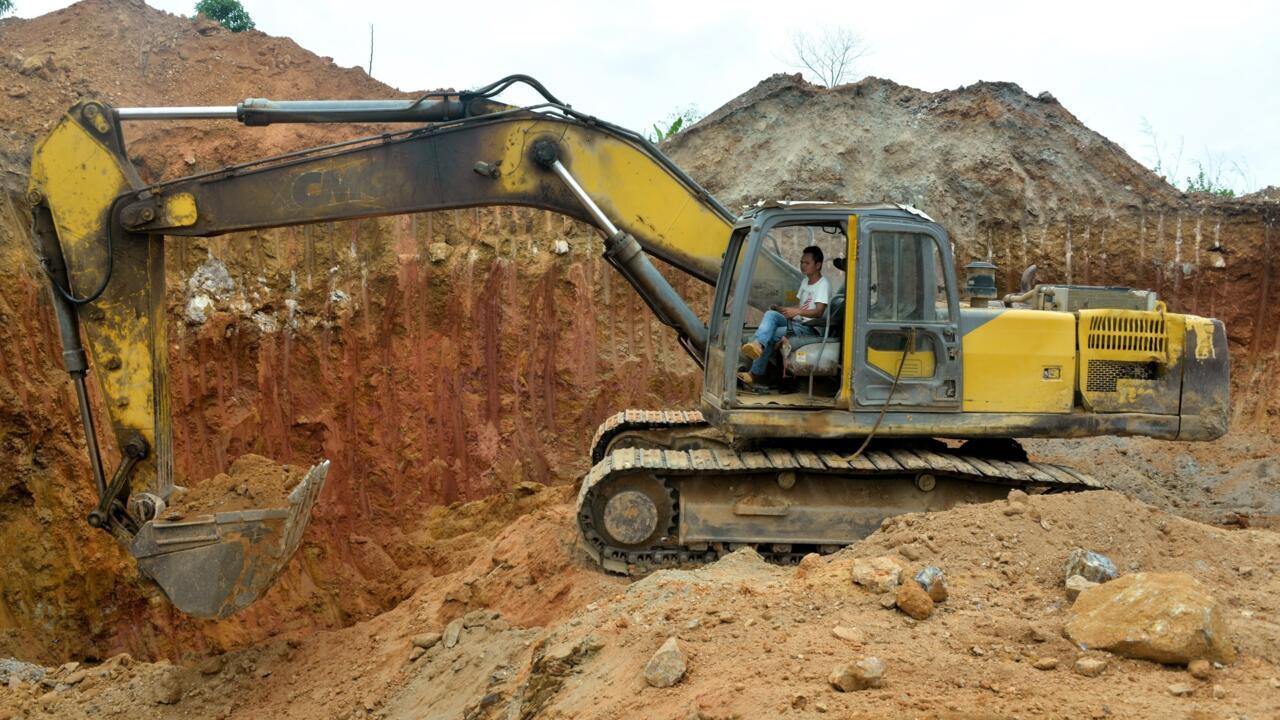
Another key challenge is the lack of technical expertise in managing large-scale infrastructure projects. Many initiatives require specialized skills that are in short supply locally, forcing reliance on external consultants at high costs. This not only increases project expenses but also extends timelines as teams navigate unfamiliar processes.
Economic implications
The stalled disbursement of these funds has tangible economic repercussions. Infrastructure deficits persist, undermining Cameroon’s competitiveness in the region. Investors cite unreliable infrastructure as a deterrent, while local businesses struggle with high operational costs due to delayed projects.
For example, delays in port expansion projects have limited Douala’s capacity to handle increased trade volumes, constraining economic expansion. Similarly, road and rail network upgrades, essential for connecting rural areas to urban markets, remain incomplete, exacerbating regional disparities.
The situation also affects social development. Funds earmarked for healthcare and education often go unused, leaving communities without critical services. Schools and hospitals, planned years ago, still await completion, leaving a generation in limbo.
Calls for systemic reform
Experts argue that structural reforms are urgently needed to unlock these dormant billions. Streamlining approval processes and decentralizing decision-making could accelerate fund disbursement. Strengthening local technical capacity through training programs is equally vital to ensure sustainable project implementation.
International partners have also emphasized the importance of transparency in fund management. Clear tracking mechanisms and regular audits are proposed to ensure accountability and prevent mismanagement. Without these measures, the cycle of idle funds risks perpetuating, leaving Cameroon’s potential untapped.
As the country grapples with these challenges, the question remains: how long will these billions lie dormant before Cameroon harnesses their transformative power?