As debates intensify over financial resource management and economic sovereignty, this discussion sheds crucial light on the decisions that lie ahead for Senegal.
The recent approval of a substantial loan from the International Monetary Fund (IMF) has sparked widespread commentary among political observers and economic analysts. At the centre of this conversation stands Ousmane Sonko, whose policy agenda and governance approach are now under closer scrutiny than ever before.
Sonko’s vision for Senegal’s economic future appears to hinge on a delicate balance between attracting international financing and preserving national autonomy. The IMF agreement, reportedly worth billions of dollars, is seen by some as a necessary lifeline to stabilise public finances and fund infrastructure projects. Others, however, question the long-term implications of such indebtedness on the country’s sovereignty.
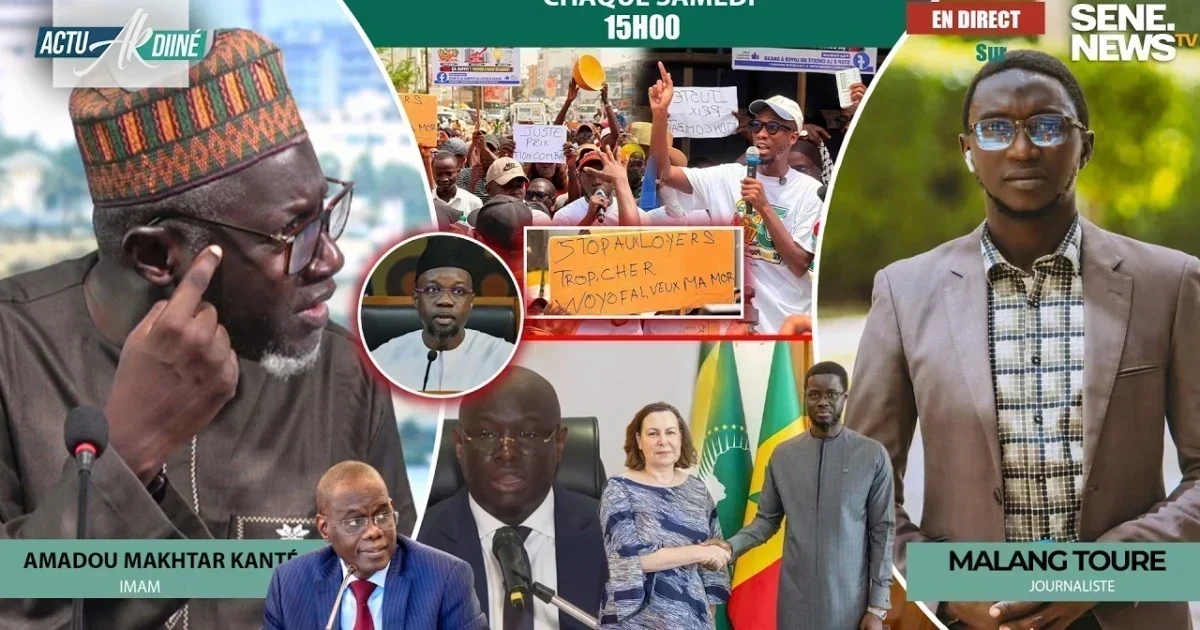
In recent weeks, the political climate has grown increasingly charged. Sonko has announced plans to file motions of censure, while prominent figures such as Aliou Sané and Madiambal have publicly reacted to his statements. During an extraordinary session of the National Assembly, Sonko initiated parliamentary inquiries, prompting Thierno Alassane Sall to make revelations about the Prime Minister’s conduct. Meanwhile, Aminata Touré has responded directly to accusations levelled by Sonko in a live broadcast.
Beyond the political turbulence, the core issue remains economic strategy. Will the IMF loan serve as a catalyst for sustainable development, or will it constrain Senegal’s ability to chart its own course? Proponents argue that the funds could be channelled into key sectors such as agriculture, digital infrastructure, and energy, thereby creating jobs and reducing poverty. Critics warn that stringent conditionalities attached to the loan might force austerity measures that could undermine social programmes.
Sonko’s projects, which have not been fully detailed, are expected to align with his campaign promises of transparency, anti-corruption measures, and equitable wealth distribution. The success of these initiatives will likely depend on the government’s capacity to implement reforms while maintaining political stability.
As Senegal navigates this complex landscape, the interplay between external financial support and internal political dynamics will be pivotal. The coming months promise to be decisive in shaping the nation’s economic trajectory and its standing on the continental stage.