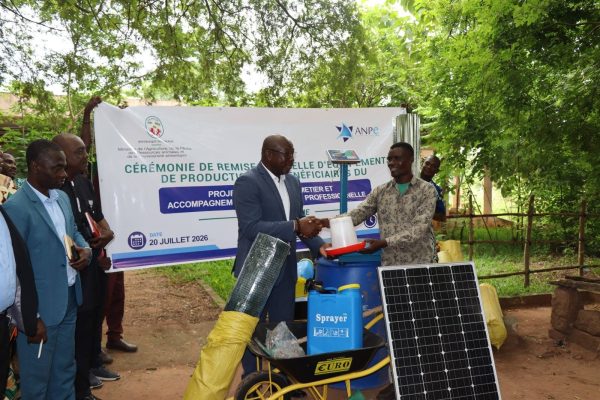
In Togo, where youth unemployment remains a significant challenge, authorities are adopting a pragmatic approach: transforming trained individuals into thriving rural entrepreneurs. In Kpomé, located within the Maritime region, fifty young people have successfully completed a crucial phase, receiving essential equipment to immediately launch their agricultural and livestock ventures.
This vital equipment distribution took place on July 20, presided over by Dotsè Medjina, the Secretary General of the Maritime Regional Governorate, acting on behalf of the governor. This event marked the successful conclusion of a comprehensive three-month vocational training program, specifically designed for high-potential careers in the agropastoral sector.
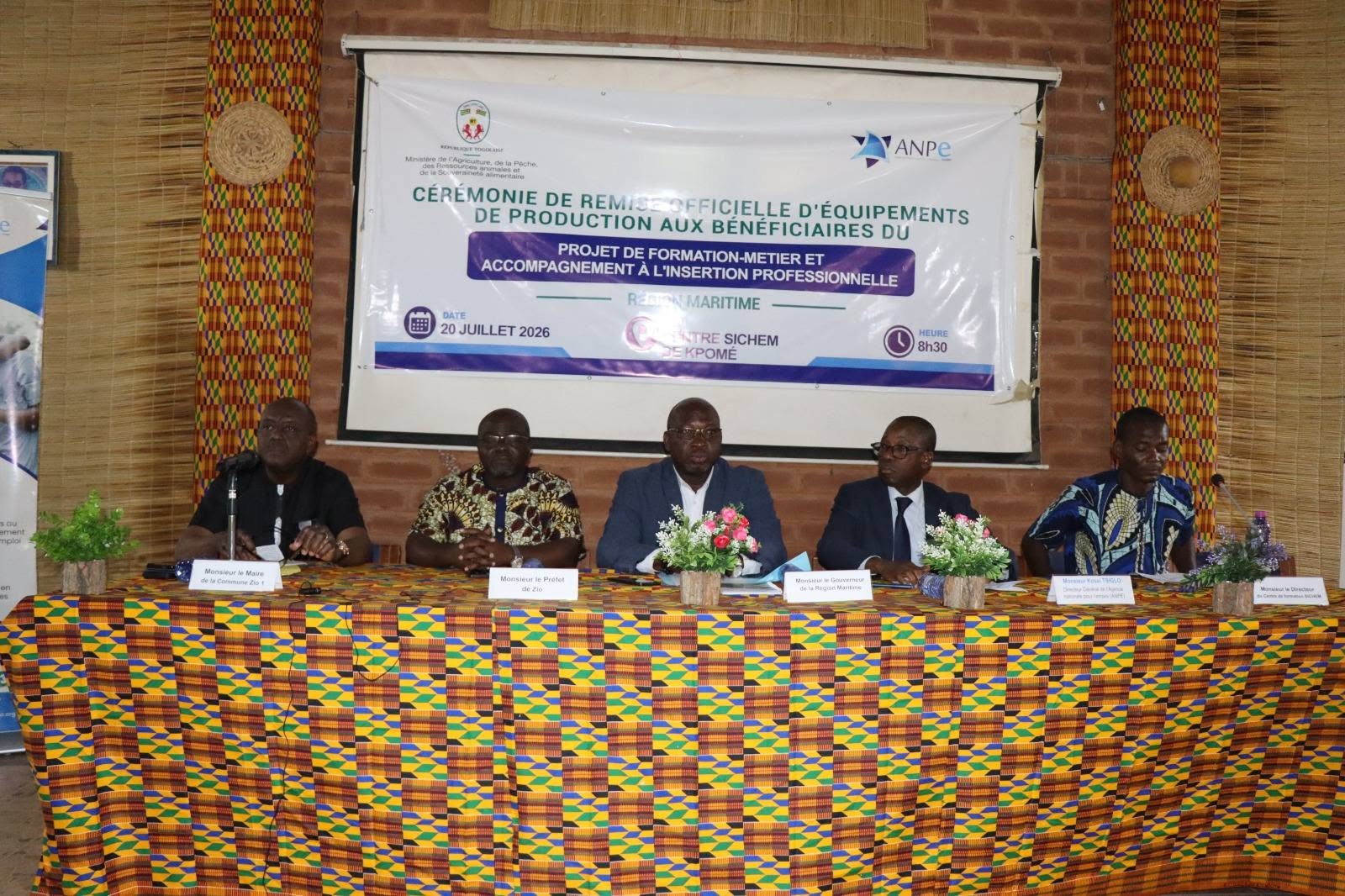
Training alone is not enough: the imperative of immediate equipment provision
A common hurdle in youth integration programs is the post-training phase. Many young people acquire valuable skills but lack the essential capital required to initiate their own ventures.
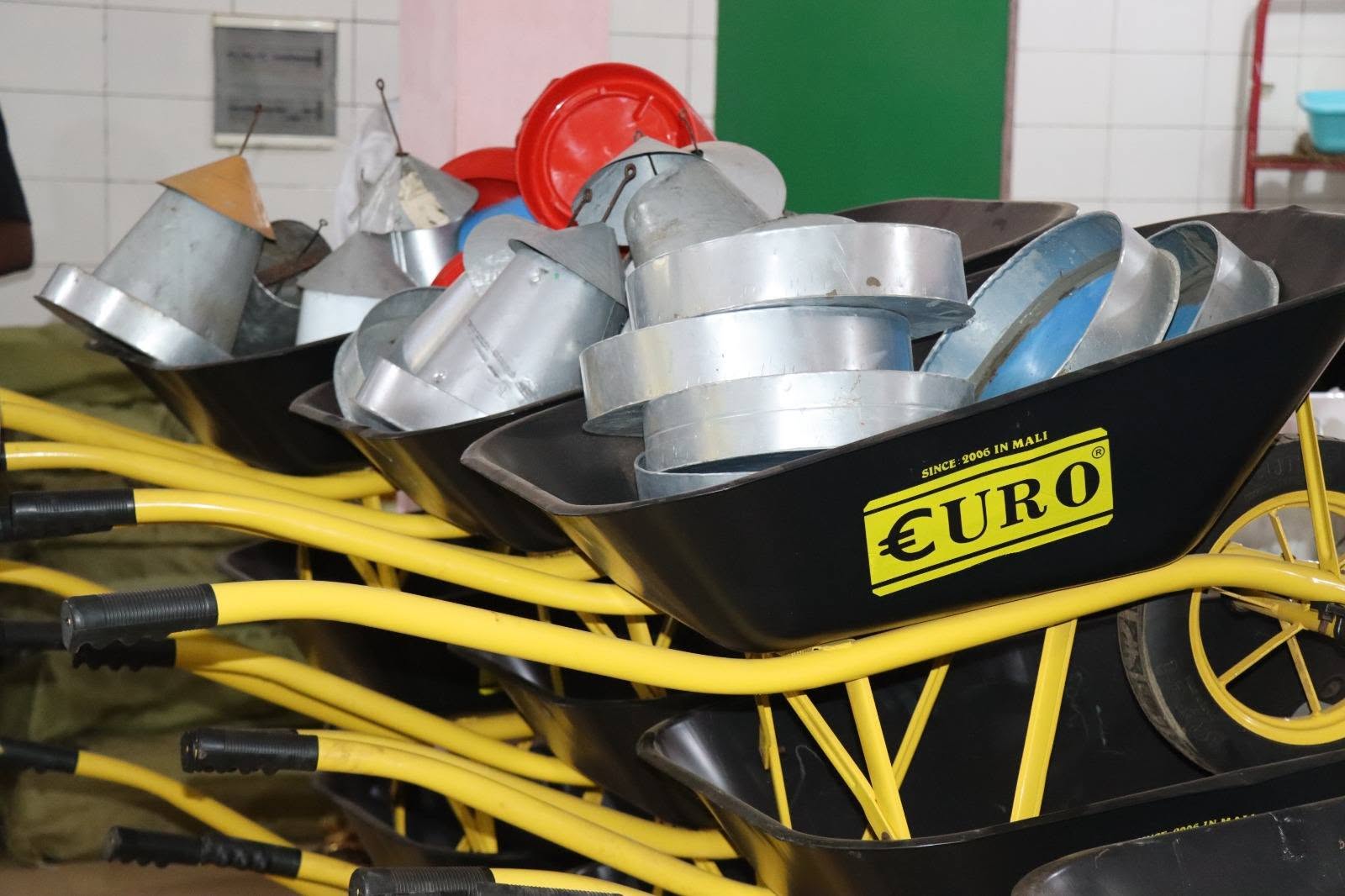
In Kpomé, this paradigm has been effectively reversed. Following their training, beneficiaries are now equipped with a comprehensive starter kit. This includes crucial tools such as motoculteurs, motopompes, pulvérisateurs, quality seeds, fertilizers, electronic scales, rolls of fencing mesh, efficient irrigation and water storage systems, sturdy wheelbarrows, and various construction materials.
The primary aim is to enable these new producers to commence their operations without delay, eliminating the need to seek additional funding.
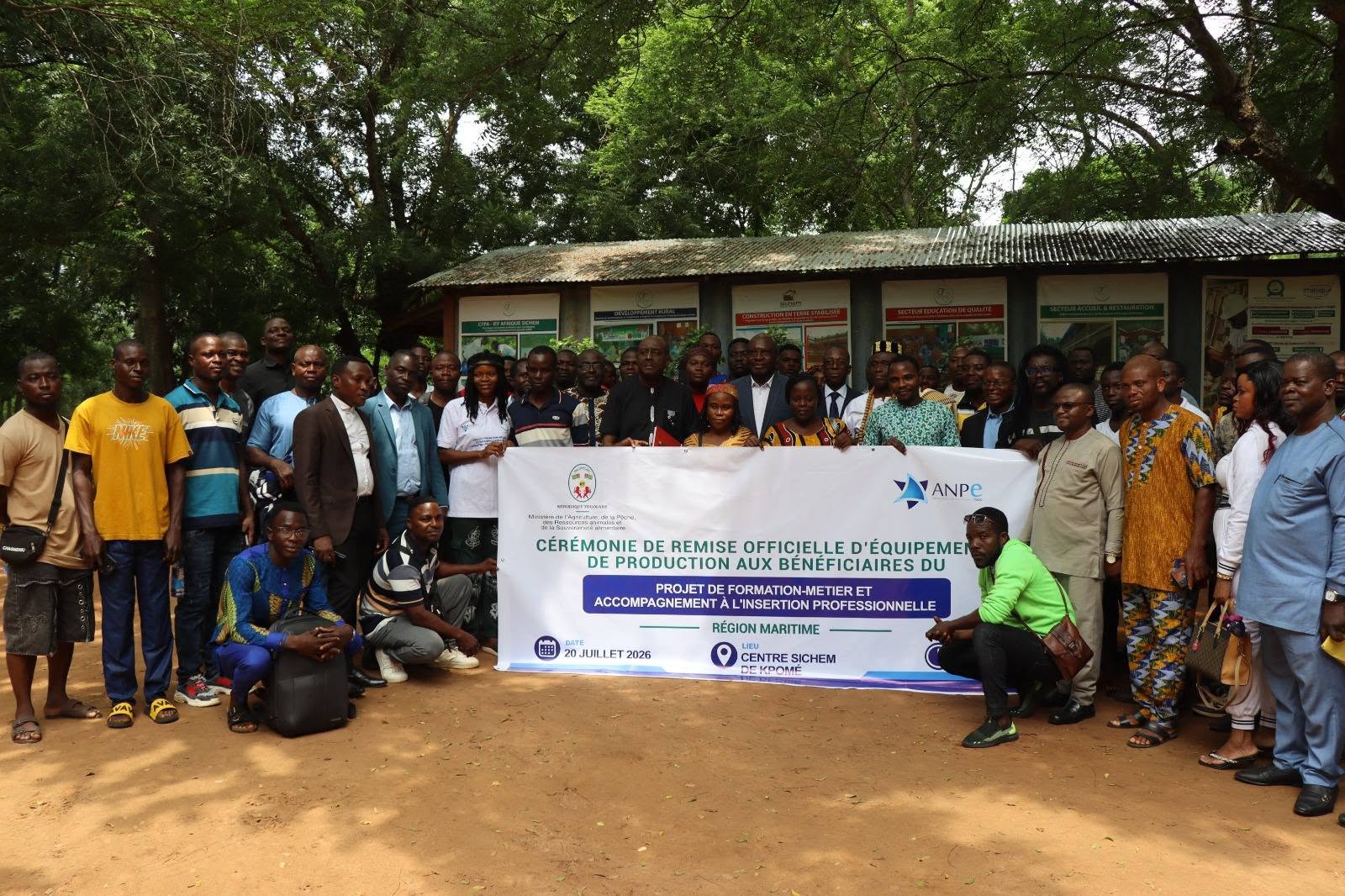
Agropastoralism: a key driver for rural job creation
The fifty beneficiaries have been thoroughly prepared to operate in several sectors deemed strategic for rural development. The comprehensive program includes specialized training in market gardening, poultry farming, raising small ruminants, and pig production.
By providing these young individuals with appropriate equipment, public authorities are not only fostering their financial independence but also aiming to boost local production and invigorate rural economies across the region.
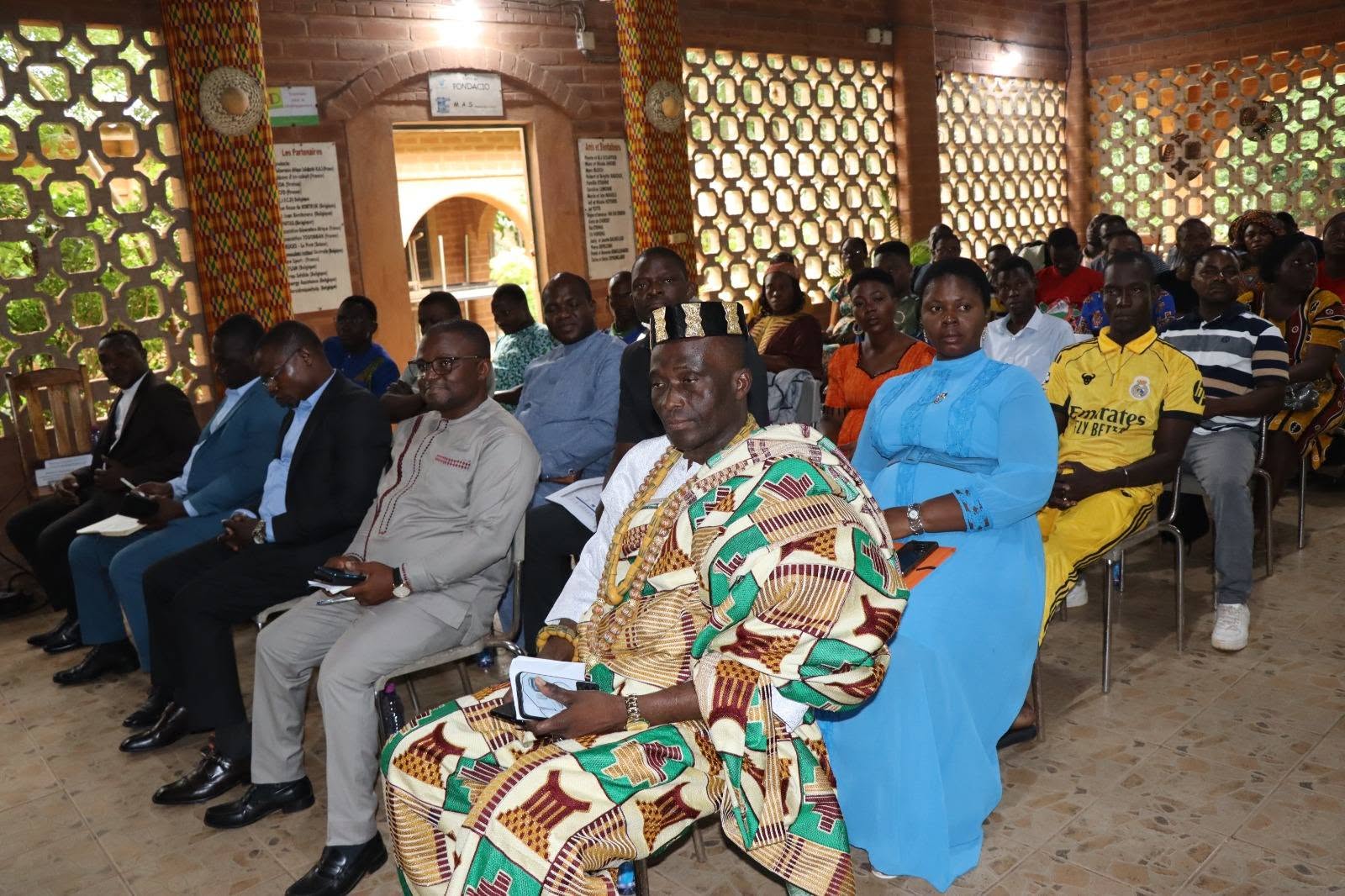
A strategic investment focused on diligence and accountability
During the ceremony, Dotsè Medjina underscored the significant responsibility that accompanies this equipment provision. He urged the beneficiaries to utilize the tools diligently to ensure the profitability and long-term sustainability of their agricultural and livestock operations.
Furthermore, he called upon the young entrepreneurs to fully embrace their roles and actively contribute to the economic development of their respective communities.
A national strategy for Togolese food sovereignty
This impactful initiative forms part of the « Formation-métier et accompagnement à l’insertion professionnelle » (Vocational Training and Professional Integration Support) project, which was launched in 2025. This project is a collaborative effort between the Agence Nationale pour l’Emploi (ANPE) and the Ministry of Agriculture, Fisheries, Animal Resources, and Food Sovereignty.
Through this program, Togo aims to move beyond mere theoretical training, developing an employment policy that prioritizes the creation of viable, income-generating activities. The strategic focus on the agropastoral sector exemplifies this direction, with the ambitious goal of nurturing a new generation of young producers. These individuals are expected to transform their acquired skills into sustainable businesses, making a lasting contribution to the nation’s food sovereignty.
You may also like
Mali’s media fallout: Maliweb.net and the fight for truthful reporting
Cotonou’s savings push: what the fallout means for West Africa’s financial future
Benin–Spain cultural alliance: what the reaction tells us about what comes next
Niger: Tiani’s widening purge sparks debate over citizenship and loyalty
Benin–Cuba economic reset: the debate, the doubts and what happens next