The political landscape in Lomé has reached a critical juncture following a landmark ruling by the ECOWAS Court of Justice, which declared Togo’s 2024 constitutional amendment an unconstitutional government change. In response, a coalition of 43 civic organizations has launched a vigorous campaign, demanding immediate regional sanctions against the Togolese administration.
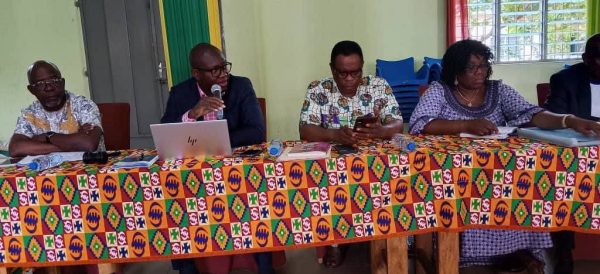
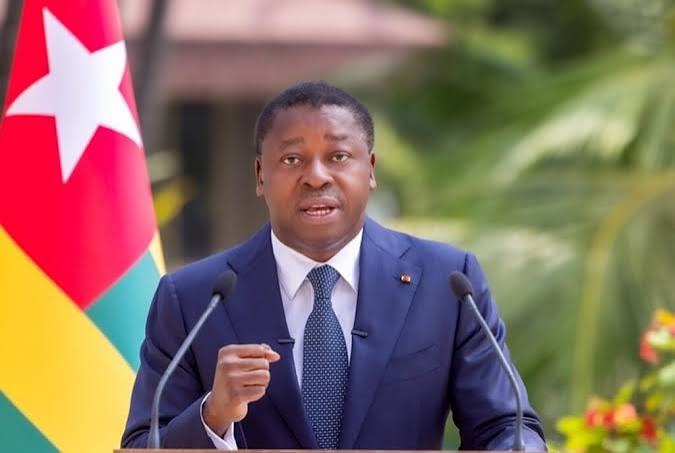
In early August 2026, the alliance—comprising human rights leagues, legal collectives, and pan-African civil society groups—delivered a formal appeal to the Economic Community of West African States (ECOWAS) and the African Union (AU). Their core argument hinges on the 2024 constitutional reform spearheaded by President Faure Gnassingbé, which transitioned the country from a presidential to a parliamentary system, effectively allowing him to retain power under a new title: Prime Minister of the Council of Ministers.
This sweeping legal challenge follows the ECOWAS Court’s decisive verdict that the legislative overhaul amounted to a constitutional coup, designed to bypass presidential term limits. The ruling has galvanized opposition voices, who argue that the reform was a calculated maneuver to extend the president’s grip on power.
Legal and Political Fallout
The 43 signatory organizations, including prominent human rights defenders and constitutional law experts, emphasize that the court’s decision is not merely advisory—it is a binding instrument under regional law. Togo, as a founding ECOWAS member, is obligated to uphold the 2001 Supplementary Protocol on Democracy and Good Governance. The coalition has warned against a double standard in regional governance: “If West Africa is serious about curbing military coups, it must also penalize constitutional power grabs with equal resolve.”
Demands for Regional Action
The civic alliance has outlined a series of urgent measures it expects ECOWAS and the AU to implement without delay. Their demands include:
- Enforcement of ECOWAS Protocols: Immediate activation of sanctions mechanisms for democratic backsliding.
- Diplomatic Suspension: Review of Togo’s participation in regional decision-making bodies.
- UN Monitoring: Appointment of a UN Special Rapporteur to oversee public freedoms and political rights.
- Inclusive National Dialogue: Restoration of broad-based political consultations under international mediation.
A Turning Point for West African Democracy
The unfolding crisis in Togo is more than a domestic dispute—it tests the credibility of regional institutions in upholding democratic norms. For over a decade, Lomé has faced repeated accusations of constitutional manipulation to prolong political dominance. The upcoming ECOWAS heads-of-state summit will determine whether the bloc prioritizes diplomatic stability or enforces strict adherence to democratic principles. The decision could redefine Togo’s standing in West Africa and set a precedent for future constitutional crises.