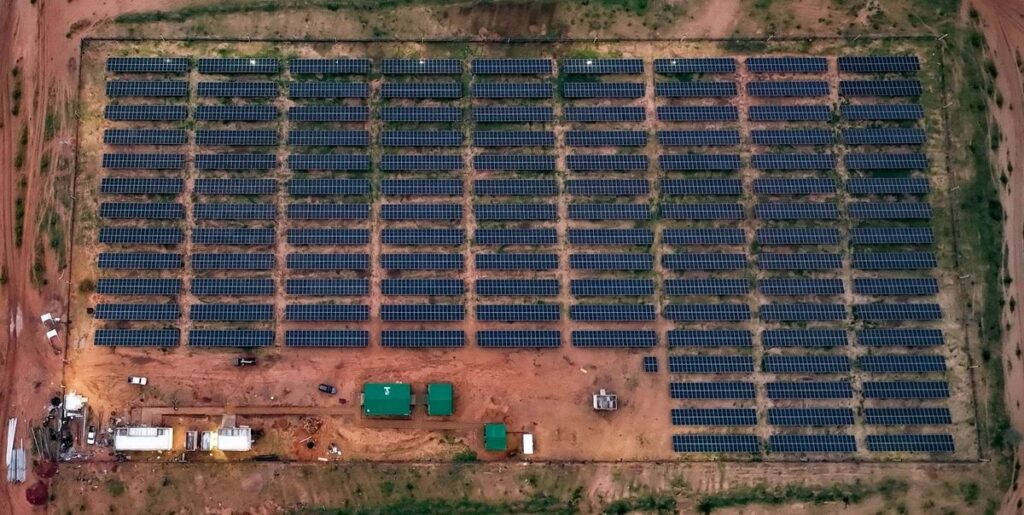
Tchad launches solar power plant in adré: a breakthrough for renewable energy
The Tchad government has taken a major step toward energy independence with the inauguration of a cutting-edge solar power plant in Adré, a landmark move for the nation’s renewable energy sector.
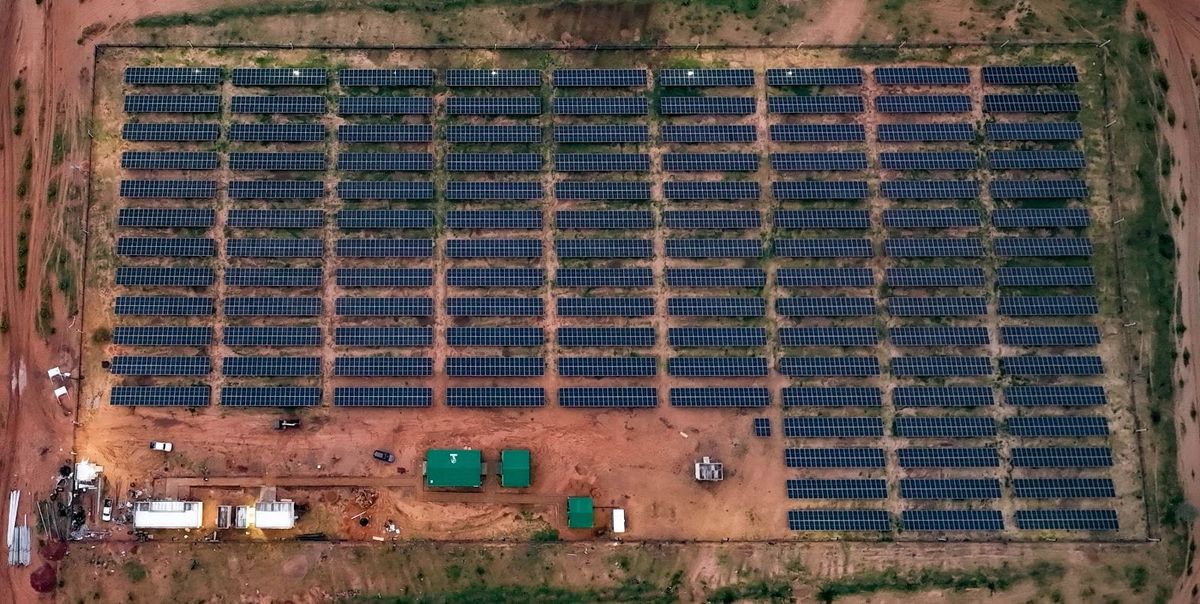
Adré’s new solar plant: a game-changer for regional energy access
The solar power plant in Adré, located in the Ouaddaï province, was officially unveiled in a high-profile ceremony attended by top government officials, local leaders, and community members. The event was led by the Prefect of the Assoungha department, alongside representatives from the Rural Electrification and Energy Management Agency (Agence pour le Développement de l’Électrification Rurale et la Maîtrise de l’Énergie), technical partners, and financial backers.
The project aligns with Tchad’s broader energy strategy, designed to expand electricity access, enhance living standards, and stimulate economic growth in rural areas. Speaking at the ceremony, Adré’s mayor, Ahmat Abderrahim, hailed the initiative as a transformative investment in the city’s future.
Hybrid technology and national vision: powering progress in Adré
Younous Daoussa Mahamat, Director-General of the Rural Electrification and Energy Management Agency, emphasized that the solar plant is more than just an infrastructure—it embodies the government’s unwavering commitment to making reliable energy a reality for all Tchadians. He revealed that the project was personally directed by President Mahamat Idriss Déby Itno, who has prioritized universal energy access as a cornerstone of national development.
“No citizen should be left behind, no town should remain in darkness, and no young person’s potential should be stifled by a lack of electricity,” Mahamat stated. The hybrid solar plant in Adré features:
- 4,800 photovoltaic panels, each generating 585 watts
- A total installed capacity of 2.808 megawatts-peak
- A battery storage system with 7.52 megawatt-hours capacity
- Two backup generators, each rated at 500 KVA
- 5 kilometers of medium-voltage transmission lines
- 10 kilometers of low-voltage distribution networks
The Prefect of Assoungha, Dillo Bergou, echoed these sentiments, expressing gratitude to President Déby for his leadership and dedication to advancing the Ouaddaï region. He also commended the collaborative efforts of all stakeholders involved in bringing the project to fruition.
Celebrating a milestone in Tchad’s energy transition
The inauguration concluded with a ribbon-cutting ceremony and a guided tour of the facility, marking a historic moment in Tchad’s renewable energy journey. Officials and residents alike celebrated the plant as a vital step toward sustainable development, reinforcing the country’s shift from fossil fuels to cleaner, more inclusive energy solutions.
With this project, Tchad demonstrates its determination to harness solar power as a driver of progress, ensuring brighter prospects for generations to come.
You may also like
How Burkina Faso’s phantom armored vehicle program drains resources and erodes public trust
How Benin’s AEO customs status is reshaping export economics for local businesses
Northern Niger’s power and water deficits: the tangible toll on livelihoods under Tiani
Air Sénégal smuggling inquiry: the real-world fallout for passengers, workers and the economy
Senegal’s delayed local elections: how the waiting game hits households, businesses and the wider economy